Shinkansen fares and ticket booking methods from Tokyo to Shin-Fuji
Overview of how to travel from Tokyo to Shin-Fuji
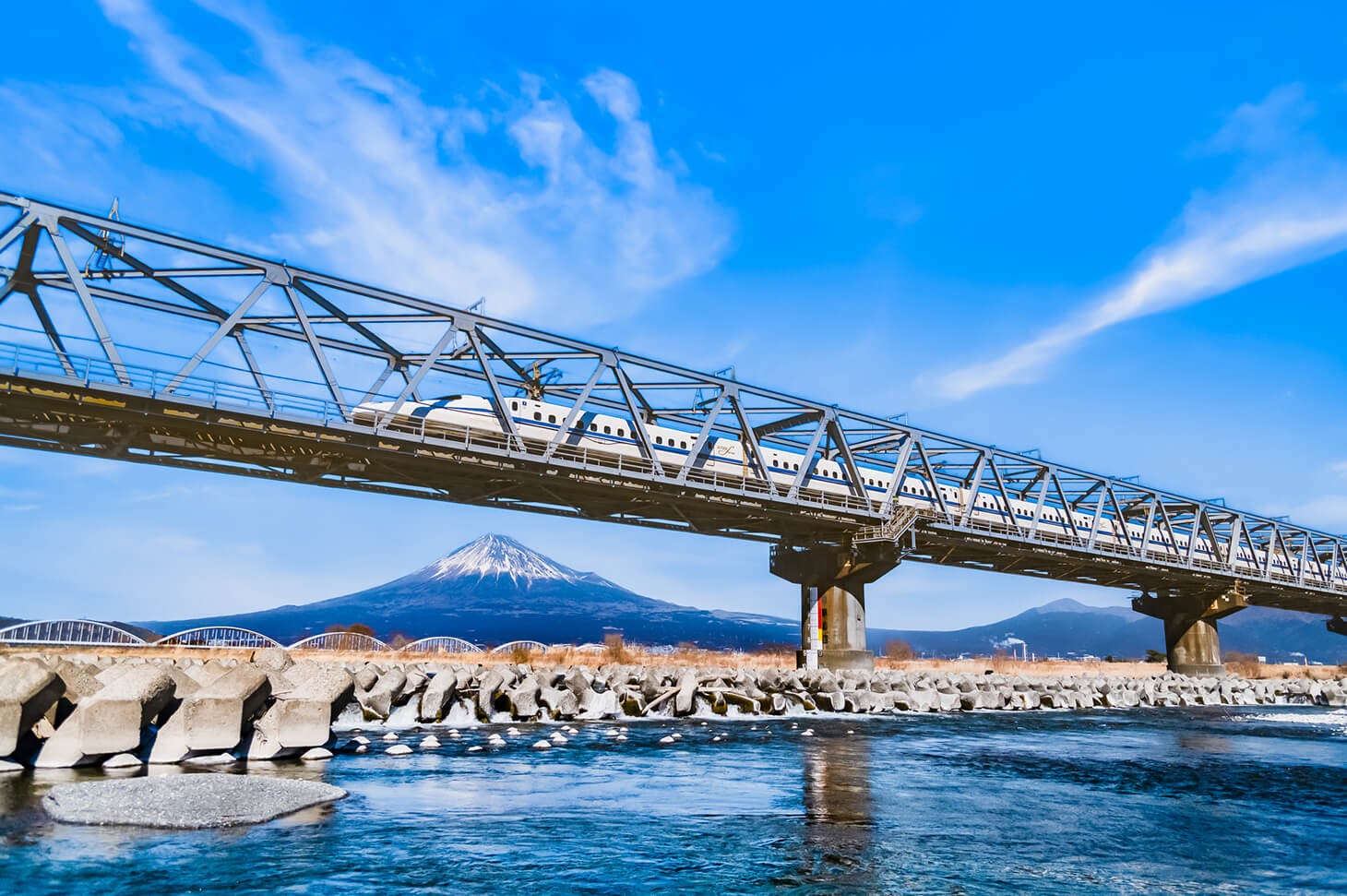
From Tokyo to Shin-Fuji, it takes approximately 60 minutes by the Tokaido Shinkansen. Shin-Fuji Station is a gateway to Mount Fuji, a World Heritage Site, and is used by many travelers. This article provides detailed information on Shinkansen fares, travel time, and ticket booking methods. We have also compiled useful information for sightseeing around Mount Fuji, such as the rules for using the JR Pass and hotel information around Shin-Fuji Station.
Basic information about traveling from Tokyo to Shin-Fuji
- Shortest travel time: Approximately 60 minutes (when using the "Kodama" train)
- Unreserved seat fare: Approximately 5,490 yen
- Reserved seat fare: Approximately 6,150 yen
- Available trains: "Kodama", some "Hikari" trains
- Note: The "Nozomi" train does not stop at Shin-Fuji Station.
- JR Pass: Available
The appeal of the Shin-Fuji/Mount Fuji area as a tourist destination
Shin-Fuji Station is the perfect base for sightseeing around Mount Fuji. It offers easy access to the 5th station during climbing season, and provides numerous scenic spots such as the Fuji Five Lakes (including Lake Kawaguchi and Lake Yamanaka) and Shiraito Falls. With plenty of local delicacies like Fujinomiya yakisoba, it's an attractive area that can be enjoyed as a day trip from Tokyo.
 Table of Contents
Shinkansen fare from Tokyo to Shin-Fuji
Overview of Shinkansen fares from Tokyo to Shin-Fuji
The Shinkansen fare from Tokyo Station to Shin-Fuji Station varies depending on the seat class you choose. Only "Kodama" and some "Hikari" trains stop at Shin-Fuji Station; the fastest "Nozomi" trains do not stop there. The fares are approximate, and during peak season (New Year's, Golden Week, Obon), a peak season surcharge may be added to reserved seats and Green Car seats. You may be able to purchase tickets at a discounted fare by using SmartEX or EX Reservation.
[Fare List] Fare comparison for Unreserved Seats, Reserved Seats, and Green Car Seats.
| Seat | Fare (Estimate) | Features |
|---|---|---|
| Unreserved Seat | Approximately 5,490 yen | No assigned seat numbers; you can sit wherever there is an empty seat. (No prior reservation required) |
| Reserved Seat (Standard Car) | Approximately 6,150 yen | A seat number is assigned, guaranteeing you a seat. (Prior reservation required) |
| Green Car | Approximately 9,200 yen | Spacious seating and high-quality service, perfect for those who want to travel comfortably. |
Features and advantages of unreserved seating
Unreserved seats are the cheapest seating option, and you don't need to purchase a reserved seat ticket before boarding. The advantage is that you can sit in any available seat, offering flexibility in terms of travel time. However, it can get crowded during the Mount Fuji climbing season (July-September) and long weekends, so it's recommended to line up on the platform early. Another benefit of unreserved seats on the "Kodama" train is that they are available in multiple cars, making it easier to secure a seat.
Features and usage scenarios of reserved seats
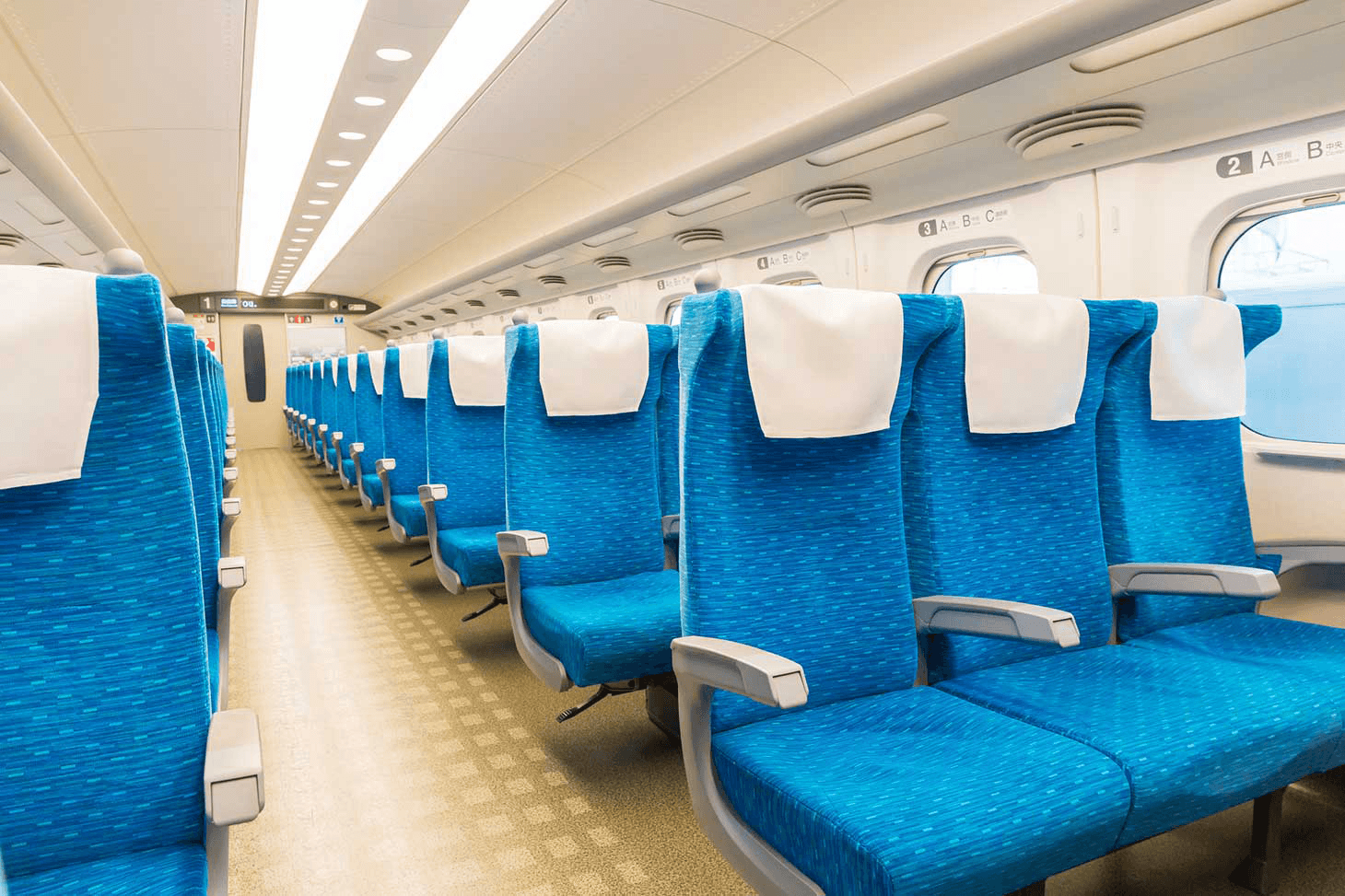
Reserved seats allow you to secure your seat number before boarding, so you can travel without worrying about crowds. Reserved seats are especially convenient if you want to depart early in the morning, such as for climbing Mount Fuji or sightseeing around the Fuji Five Lakes, or if you have a lot of luggage. Early bird fares may be available if you book online in advance using SmartEX or EX Reservation. Reserved seats are very convenient for groups and families traveling together, as you can secure seats next to each other.
Features and comfort of Green Car
Green Car is a premium class, offering more spacious seats and enhanced amenities than standard class. The seats are arranged in a 2+2 configuration (some are 2+1), and the reclining angle is significantly increased. They are recommended for those who want to enjoy a luxurious 60-minute journey between Tokyo and Shin-Fuji, or for those who want to rest before or after climbing Mount Fuji. Please note that Green Car seats on "Kodama" trains that stop at Shin-Fuji Station are limited, so early reservations are essential.
Travel time from Tokyo to Shin-Fuji
Shortest Shinkansen journey from Tokyo to Shin-Fuji
The shortest travel time from Tokyo Station to Shin-Fuji Station using the Shinkansen "Kodama" is approximately 60 minutes. Similarly, if some "Hikari" trains stop at Shin-Fuji Station, the journey takes around 60 minutes. The "Nozomi" train does not stop at Shin-Fuji Station and therefore cannot be used. Since it's possible to reach Shin-Fuji Station from Tokyo in under an hour, this route is ideal for day trips to the Mount Fuji area.
Average travel time and difference between trains
The average travel time for a "Kodama" train is approximately 60-75 minutes, with slight variations depending on the train. If a "Hikari" train stops at Shin-Fuji Station, the journey time is approximately 55-65 minutes. "Kodama" trains stop at intermediate stations such as Shinagawa, Shin-Yokohama, Odawara, Atami, and Mishima, making them convenient for passengers boarding at intermediate stations. If time is your priority, choose a "Hikari" train that stops at Shin-Fuji; if you prioritize the frequency of service, choose a "Kodama" train.
The speed and features of the Tokaido Shinkansen
The Tokaido Shinkansen operates at a maximum speed of 285 km/h and is one of the busiest bullet train lines in Japan. Between Tokyo and Shin-Fuji, there is a section where you can enjoy spectacular views of Mount Fuji from the train windows. In particular, just before Shin-Fuji Station, Mount Fuji is clearly visible on the left side in the direction of travel (A and B seat side), so securing a seat on the Mount Fuji side will enhance your experience. On a clear day, you can enjoy the entire view of snow-covered Mount Fuji from inside the train.
Comparison of travel time with air travel
Air travel to the Shin-Fuji area is not common, and even from the nearest airport (Shizuoka Airport), it takes a considerable amount of time to reach Shin-Fuji Station. For travel between Tokyo and Shin-Fuji, the Shinkansen (bullet train) is the fastest and most practical option. Considering airport access and boarding procedures, the Shinkansen's approximately 60-minute travel time is overwhelmingly advantageous.
Time comparison with cars and conventional trains
By car, using the Tomei Expressway and Shin-Tomei Expressway takes approximately 1 hour 30 minutes to 2 hours. This section is prone to traffic congestion, and travel time can be significantly longer, especially during the Mount Fuji climbing season and on long weekends. By conventional train (JR Tokaido Main Line), it takes approximately 2 hours to 2 hours 30 minutes. Considering punctuality and short travel time, the Shinkansen (bullet train) is the best mode of transportation between Tokyo and Shin-Fuji.
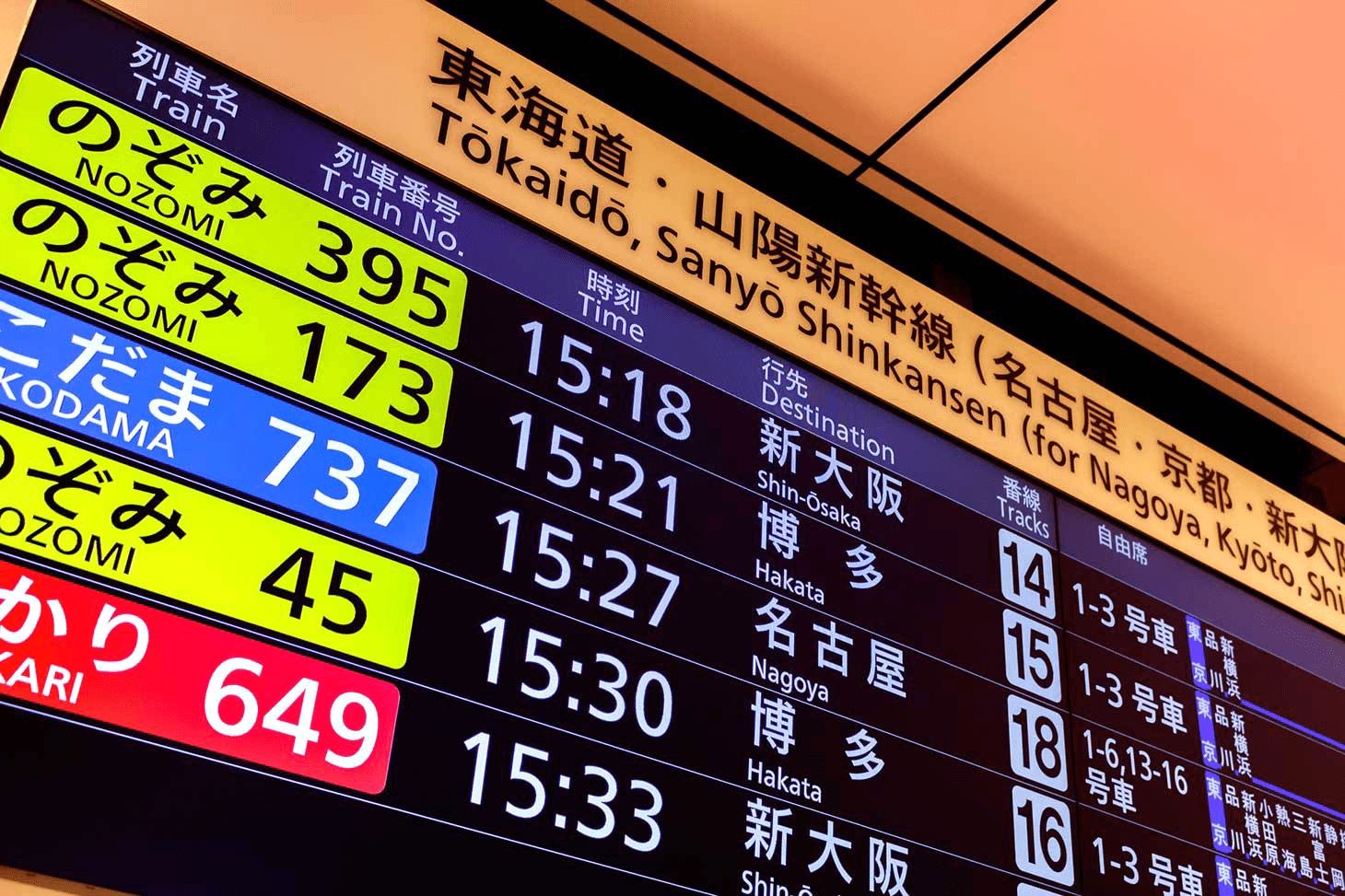
Which train is the fastest?
The difference between "Nozomi," "Hikari," and "Kodama"
On the Tokaido Shinkansen (Tokyo to Shin-Fuji), only the "Kodama" and some "Hikari" trains stop at Shin-Fuji Station. The fastest train, the "Nozomi," does not stop at Shin-Fuji Station, so it cannot be used on this section. While "Kodama" trains run frequently and are easy to board, they stop at more stations, resulting in a longer travel time. Some "Hikari" trains do stop at Shin-Fuji Station, but the number of trains is limited, so it is necessary to check the timetable in advance.
Stations and characteristics of each train
The "Kodama" train makes all stops on the Tokaido Shinkansen line, including Shinagawa, Shin-Yokohama, Odawara, Atami, Mishima, and Shin-Fuji. Its frequent service makes it easy to board at any time of day. Some "Hikari" trains stop at stations such as Tokyo, Shinagawa, Shin-Yokohama, Shizuoka, and Hamamatsu, and also make a stop at Shin-Fuji Station. Whether a "Hikari" train stops at Shin-Fuji Station varies by service, so be sure to check the timetable.
[Train Comparison Chart] Comparison of Travel Times
| Train | Main Stopping Stations (Tokyo to Shin-Fuji) | Travel Time |
|---|---|---|
| "Nozomi" | Unavailable as it does not stop at Shin-Fuji Station. | ― |
| "Hikari" | Tokyo, Shinagawa, Shin-Yokohama, Shin-Fuji (some trains stop here) | Approximately 55-65 minutes |
| "Kodama" | Tokyo, Shinagawa, Shin-Yokohama, Odawara, Atami, Mishima, Shin-Fuji | Approximately 60-75 minutes |
Recommended trains between Tokyo and Shin-Fuji
If time is your top priority, the "Hikari" train that stops at Shin-Fuji Station is recommended. However, there are fewer "Hikari" trains that stop at Shin-Fuji Station, so you will need to adjust your departure time accordingly. If the wait for the "Hikari" is long, choosing the "Kodama" train may actually get you there faster. Compare departure and arrival times using a transportation information service such as Ekitan to choose the best train for you.
Points to consider when choosing a train
When choosing a train between Tokyo and Shin-Fuji, first check if there is a "Hikari" train that stops at Shin-Fuji at your desired departure time. Since the stopping patterns of "Hikari" trains vary depending on the service, checking the timetable is essential. If you are using a JR Pass, you can use both "Hikari" and "Kodama" trains. Securing your seat in advance using SmartEX or EX Reservation will make your journey smoother. Since climbing Mount Fuji or sightseeing around the Fuji Five Lakes usually requires an early morning departure, it is recommended to reserve your seat the day before.
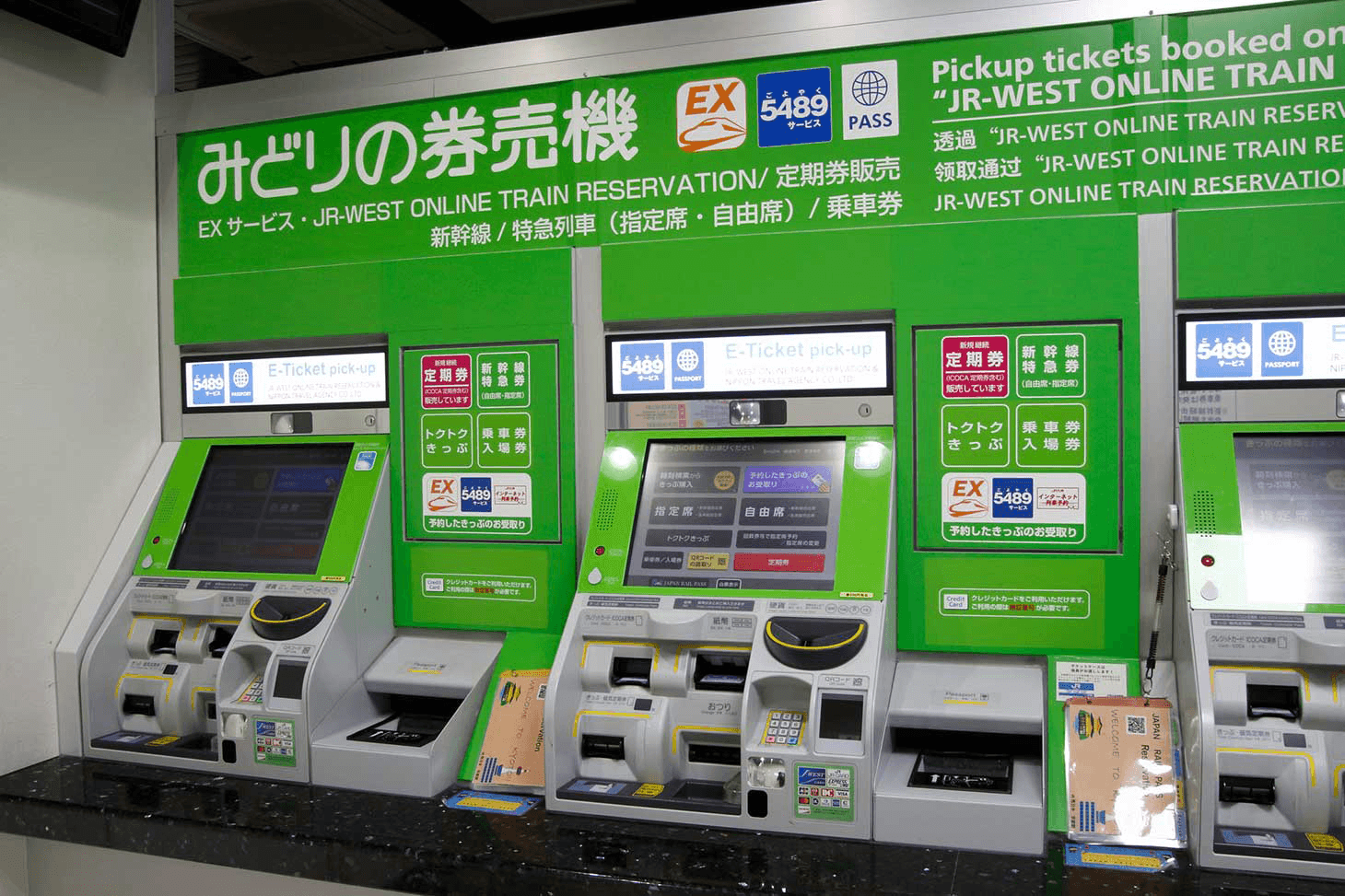
How to book Shinkansen tickets
Basic methods for purchasing Shinkansen tickets
Shinkansen tickets between Tokyo and Shin-Fuji can be purchased in three ways: at ticket offices, ticket machines, or online. In all cases, tickets can be purchased or reserved up to one month before the travel date. During the Mount Fuji climbing season (July-September) and long weekends, reserved seats may sell out quickly, so it is recommended to book early once your travel dates are decided. Payment can be made by cash, credit card, or transportation IC card.


How to purchase at the ticket office
Shinkansen tickets can be purchased at the "Midori-no-madoguchi" (manned ticket offices) at JR stations. Simply tell the staff your departure station, arrival station, date and time, number of passengers, and seat class to complete the process. Many major stations, such as Tokyo Station, also have English-speaking ticket offices, so even those who are not confident in their Japanese can use the service with ease. Since the ticket offices can get crowded at certain times, it is recommended to visit with plenty of time to spare.
How to use a ticket vending machine
You can also purchase Shinkansen tickets at the "reserved seat ticket vending machines" installed at stations. Many of these machines now support multiple languages, including English, Chinese, Korean, and French, allowing you to purchase tickets simply by following the on-screen instructions. Since credit cards such as Visa, Mastercard, JCB, and American Express are accepted, you don't need cash. Using a ticket vending machine is a smoother option if the ticket offices are crowded.
Online booking (SmartEX official website)
For online booking, JR Central's "SmartEX" and "EX Reservation" services are convenient. "SmartEX" allows you to pass through ticket gates using your smartphone or IC card (such as Suica) without needing a physical ticket. "EX Reservation" offers greater discounts than "SmartEX" and is especially recommended for frequent Shinkansen users. Visitors from overseas can also utilize the English-language "SmartEX" and travel booking websites (such as Klook and Railpass).
Points to note when making a reservation
When making a reservation, be sure to select a "Kodama" or "Hikari" train that stops at Shin-Fuji Station, not a "Nozomi" train. Since some "Hikari" trains do not stop at Shin-Fuji Station, it is important to check the stopping stations on the reservation screen. During the Mount Fuji climbing season, early morning "Kodama" trains are especially crowded on weekends. Securing a reserved seat the day before will reduce your waiting time on the platform on the day of travel.
Can the JR Pass be used between Tokyo and Shin-Fuji?
Overview of JR Pass
The JR Pass is a special ticket for travelers who do not reside in Japan, offering unlimited rides on JR lines. It comes in 7-day, 14-day, and 21-day versions, allowing unlimited travel on JR Shinkansen, limited express, and conventional trains without additional charges during the validity period. It's an extremely cost-effective pass for travelers exploring various parts of Japan, and can be purchased at travel agencies outside of Japan or at select ticket offices within Japan. A passport is required for use.
[JR Pass Availability Chart] Availability for use between Tokyo and Shin-Fuji
| Train | JR Pass Availability | Remarks |
|---|---|---|
| "Nozomi" | Unavailable (and no stop at Shin-Fuji) | Boarding is not permitted between Tokyo and Shin-Fuji. |
| "Hikari" | Available | Only available on services that stop at Shin-Fuji (please check the timetable). |
| "Kodama" | Available | Both reserved and unreserved seats are available. |
Restrictions on the use of "Nozomi"
The "Nozomi" Shinkansen cannot be used with the JR Pass, and it does not stop at Shin-Fuji Station. Therefore, you cannot use the "Nozomi" Shinkansen to travel between Tokyo and Shin-Fuji. Whether you have a JR Pass or not, please choose the "Kodama" Shinkansen or the "Hikari" Shinkansen, which stops at Shin-Fuji, to get to Shin-Fuji.
Conditions for Using "Hikari" and "Kodama"
If you have a JR Pass, you can ride in the unreserved seats of the "Kodama" train without any additional charge. If you are using the "Hikari" train, be sure to check whether it stops at Shin-Fuji Station. If you wish to use a reserved seat, you must reserve a seat at the station's "Midori-no-madoguchi" (ticket office) or a reserved seat ticket vending machine before boarding. There is no additional charge for reserving a seat.
Points to note when using JR Pass
Since the JR Pass is valid for consecutive days from the start date, it's important to carefully set the start date to match your travel schedule. If your travel plans include visiting multiple cities such as Kyoto, Osaka, and Hiroshima, in addition to the Tokyo-Shin-Fuji route, you'll often get your money's worth from the JR Pass. The JR Pass is particularly effective for itineraries that combine Mount Fuji sightseeing with tours of other cities.
Shinkansen timetable between Tokyo and Shin-Fuji
Tokyo to Shin-Fuji Shinkansen service frequency
The Shinkansen between Tokyo and Shin-Fuji is served by "Kodama" trains and some "Hikari" trains. "Kodama" trains run approximately every 30 minutes even during the day, making them relatively easy to board. "Hikari" trains that stop at Shin-Fuji Station are less frequent, running only about once every 1-2 hours, so it is recommended to check the timetable in advance before departing. During the Mount Fuji tourist season, some extra trains may be added.
Guideline for the first and last trains
The first trains departing from Tokyo Station leave as early as 6:00 AM, and the last trains depart around 9:00-10:00 PM. The last train arrives at Shin-Fuji Station around 11:00 PM. Since climbing Mount Fuji generally requires an early morning departure, taking an early morning "Kodama" Shinkansen from Tokyo will allow you to reach the 5th station of Mount Fuji by midday. It is recommended to allow ample time for your return journey after sightseeing.
How to read a timetable
You can check the Shinkansen timetable between Tokyo and Shin-Fuji on JR Central's official website or on transportation information services such as SmartEX and Ekitan. When searching, enter your departure station "Tokyo", arrival station "Shin-Fuji", travel date, and time to see a list of times and fares for both "Kodama" and "Hikari" trains. Since only a limited number of "Hikari" trains stop at Shin-Fuji, be sure to check the stopping stations when searching.
[Timetable] Tokyo Station ⇒ Shin-Fuji Station (Excerpt/Approximate)
| Departure (Tokyo) | Train | Arrival (Shin-Fuji) | Travel Time |
|---|---|---|---|
| 06:00 | "Kodama" No. 641 | 07:13 | Approximately 1 hour and 13 minutes |
| 06:30 | "Hikari" No. 491 | 07:26 | Approximately 56 minutes |
| 07:03 | "Kodama" No. 643 | 08:16 | Approximately 1 hour and 13 minutes |
| 08:03 | "Kodama" No. 645 | 09:16 | Approximately 1 hour and 13 minutes |
| 09:03 | "Kodama" No. 647 | 10:16 | Approximately 1 hour and 13 minutes |
| 10:30 | "Hikari" No. 495 | 11:26 | Approximately 56 minutes |
| 13:03 | "Kodama" No. 655 | 14:16 | Approximately 1 hour and 13 minutes |
| 20:03 | "Kodama" No. 671 | 21:16 | Approximately 1 hour and 13 minutes |
*Actual times and train numbers may change depending on the season and schedule revisions. Please check the latest information on Ekitan or other sites.
Peak hours and points to note
The Tokyo-Shin-Fuji section is particularly crowded on weekends and holidays during the Mount Fuji climbing season (July-September), Golden Week, and the Obon period. Early morning departures from Tokyo are especially crowded with climbers, and unreserved seats may be fully booked. If you are planning to climb Mount Fuji or visit the Fuji Five Lakes area, we strongly recommend securing a reserved seat by the day before. Also, the "Kodama" train may have long stops at intermediate stations, so it's a good idea to check the travel time before boarding.
Summary: Shinkansen from Tokyo to Shin-Fuji
The Tokaido Shinkansen is the fastest and most convenient way to travel from Tokyo to Shin-Fuji. The fare is approximately 5,490 yen for an unreserved seat, 6,150 yen for a reserved seat, and 9,200 yen for a Green Car seat. The journey takes a minimum of about 60 minutes, making it a distance that can be easily enjoyed as a day trip from Tokyo, and it is an ideal route for sightseeing around Mount Fuji or traveling to the Fuji Five Lakes and Fujinomiya areas. An important point to note is that the "Nozomi" does not stop at Shin-Fuji Station, so you will need to choose either the "Kodama" or the "Hikari" which does stop at Shin-Fuji. Since some "Hikari" trains do not stop at Shin-Fuji Station, be sure to check the stopping stations before booking and boarding. If you have a JR Pass, you can use either the "Hikari" or "Kodama". Tickets can be purchased at the "Midori-no-madoguchi" (ticket office) at stations, at reserved seat ticket vending machines, or online ("SmartEX", "EX Reservation", etc.). During the Mount Fuji climbing season (July-September) and long weekends, reserved seats fill up quickly, so we recommend booking as soon as your travel dates are decided. Enjoy a comfortable Shinkansen ride between Tokyo and Shin-Fuji while gazing at Mount Fuji from the train window.

The information on this website is based on content available at the time of publication. We do not guarantee its accuracy or timeliness. The content may include advertisements or promotions, and we are not responsible for any external websites linked from this site.