Shinkansen fares and ticket booking methods from Tokyo to Kyoto
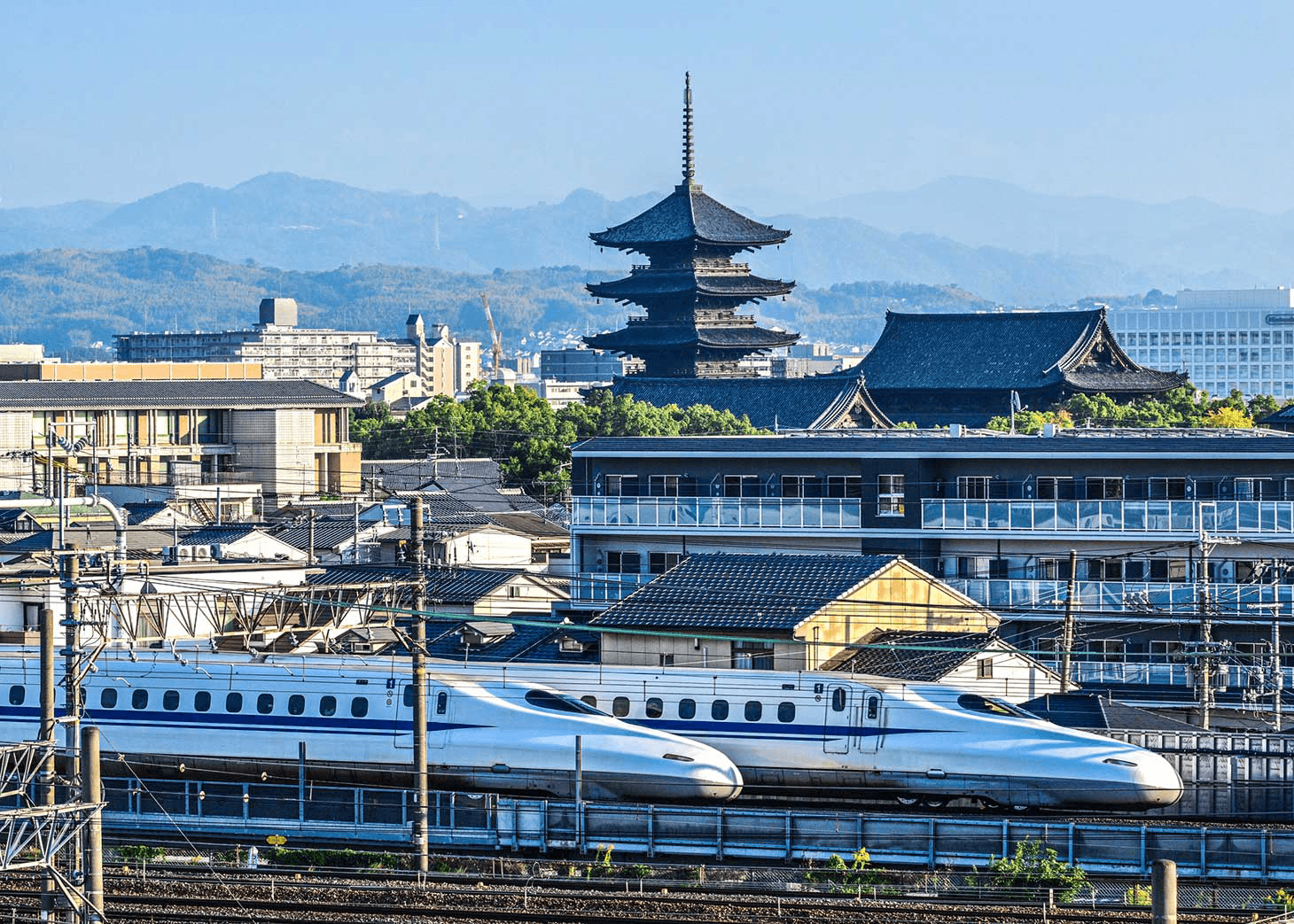
This article provides a clear explanation of how to travel from Tokyo to Kyoto by Shinkansen (bullet train), including fares, travel time, timetables, and ticket booking methods. Tokyo and Kyoto are approximately 450km apart, and the Shinkansen takes a minimum of about 2 hours and 15 minutes, costing around 14,000 yen. Shinkansen trains run frequently, every 10-15 minutes, making it easy to use according to your schedule. Kyoto is a popular city for foreign tourists, boasting many tourist attractions where you can experience Japanese culture, such as Gion and Arashiyama.
 Table of Contents
- Shinkansen fare from Tokyo to Kyoto
- Travel time from Tokyo to Kyoto by Shinkansen
- Which train is the fastest from Tokyo to Kyoto?
- How to book Shinkansen tickets from Tokyo to Kyoto
- Can the JR Pass be used on the Shinkansen between Tokyo and Kyoto?
- Shinkansen (bullet train) timetable from Tokyo Station to Kyoto Station
- Summary
Shinkansen fare from Tokyo to Kyoto
List of Shinkansen fares between Tokyo and Kyoto
The fare for the Shinkansen (bullet train) from Tokyo to Kyoto varies depending on the type of seat. The main fare guidelines are as follows:
| Seat | Fare | Features |
|---|---|---|
| Unreserved seat | Approximately 13,500 yen | No seat assignment |
| Reserved seat | Approximately 14,500 yen | Seat number available |
| Green Car | Approximately 19,000 yen | Spacious and comfortable seating. |
Since fares may vary depending on the season and time of day, it is important to check in advance.
Unreserved Seat Fares and Features
The main feature of unreserved seats is that you don't need to make a reservation in advance and can board the train on the day of travel. This is suitable for those who want to keep costs down and offers the advantage of being able to use the train easily. On the other hand, the number of seats in unreserved seats is limited, so you may have to stand if the train is crowded. This is especially true on weekends, holidays, and during morning and evening rush hours, so caution is advised.
Reserved Seat Fares and Features
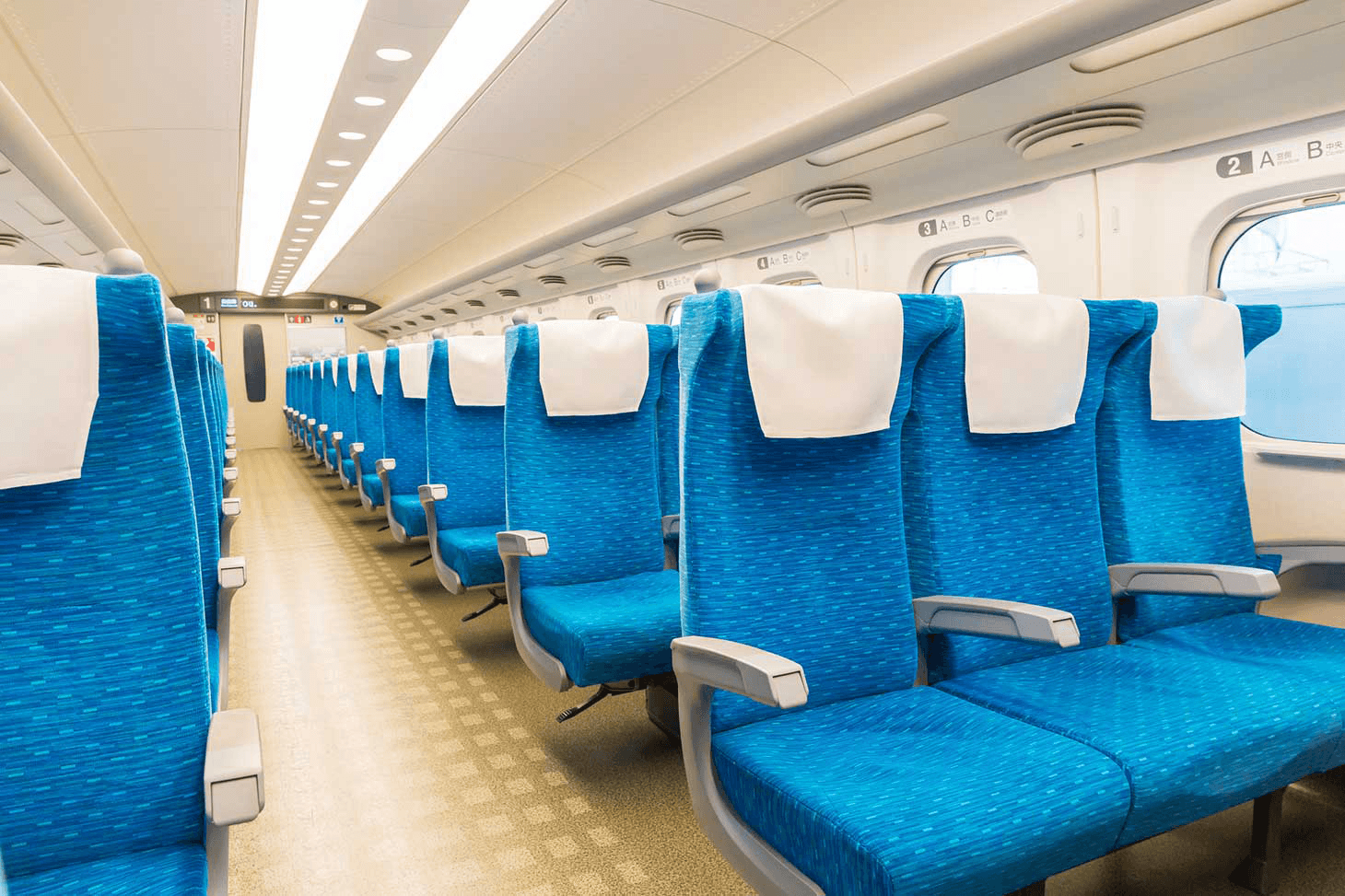
Reserved seats are ideal for those who want to guarantee a seat during their journey, as they allow you to secure a seat in advance. For long-distance travel, such as the Shinkansen from Tokyo to Kyoto, where you'll be sitting for over two hours, reserved seats offer significant comfort advantages. They also allow you to choose between window or aisle seats, making them suitable for those who want to enjoy the scenery or prioritize convenience during their journey.
Green Car Fares and Features
Green Car is the highest class of seating on the Shinkansen, and the fares are higher than those of regular cars. In return, the seats are more spacious and the quality of service is improved, allowing for a more comfortable journey. The seats are spaced further apart, and there is ample distance between passengers, making them ideal for those who want to avoid crowds and enjoy a comfortable ride.
Comfort of Green Car
Green Car offers seats with a greater reclining angle and ample legroom, making them less tiring even on long journeys. The interior is relatively quiet and peaceful, making it suitable for business travel or resting during sightseeing. The ability to comfortably sit even with a lot of luggage is another major advantage.
Travel time from Tokyo to Kyoto by Shinkansen
Shortest travel time between Tokyo and Kyoto
The shortest travel time from Tokyo to Kyoto by Shinkansen is approximately 2 hours and 10 minutes to 2 hours and 20 minutes if you use the "Nozomi" train. Because it makes fewer stops, it is the fastest train available. If travel time is a priority, choosing the "Nozomi" will allow you to travel efficiently between Tokyo and Kyoto.
Average Travel Time
The average travel time for the Shinkansen between Tokyo and Kyoto is approximately 2 hours and 20 minutes to 2 hours and 40 minutes. The time varies depending on the type of train and the number of stops. The "Hikari" train is slightly slower than the "Nozomi" train, and the "Kodama" train, which stops at every station, takes even longer. It's important to choose the train that best suits your schedule.
Comparison of travel time by plane
While the flight time is approximately one hour, the total travel time, including travel to the airport, security checks, and boarding procedures, is typically three hours or more. The Shinkansen (bullet train) offers a direct route from Tokyo Station to Kyoto Station, making it more efficient in terms of actual travel time.
Comparison of travel time by car and bus (using highways)
Traveling from Tokyo to Kyoto by car or highway bus takes approximately 6 to 8 hours. This time may be longer due to traffic congestion on highways and rest stops. On the other hand, using an overnight bus combines travel and accommodation, making it a cost-effective option for travelers.
The speed of the Tokaido Shinkansen
The Tokaido Shinkansen operates at a maximum speed of 285 km/h, connecting major cities across Japan at high speed. It is characterized by its stable operation and high punctuality, and is highly regarded for its low rate of delays. Because it allows for long-distance travel in a short time, it is an excellent mode of transportation within Japan.
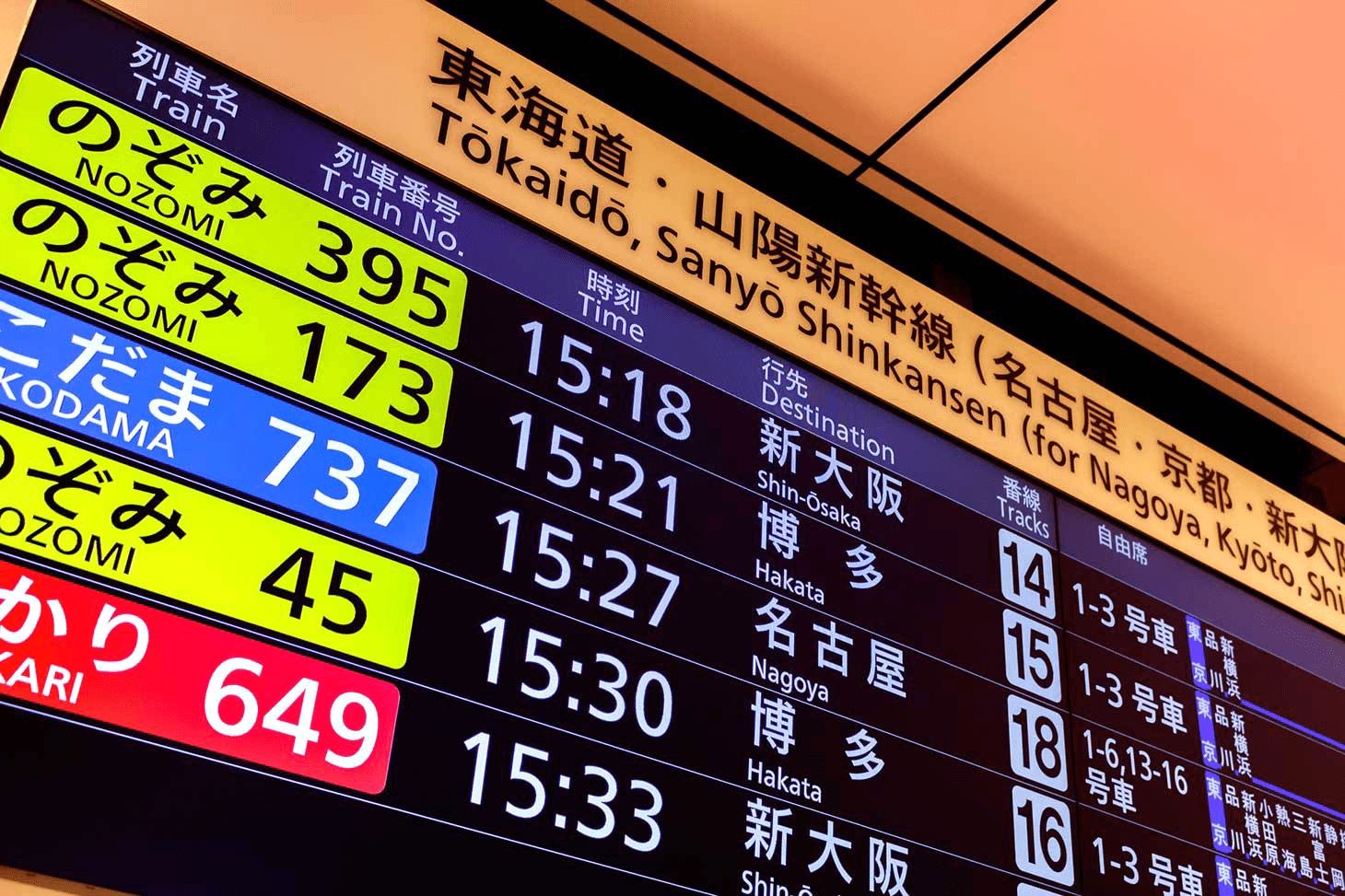
Which train is the fastest from Tokyo to Kyoto?
Features of "Nozomi"
The "Nozomi" is the fastest train on the Tokaido Shinkansen line, and its distinguishing feature is that it only stops at major stations. It offers the shortest travel time between Tokyo and Kyoto by Shinkansen, making it ideal for travelers and business people who prioritize time. With frequent service, it's a convenient train to use.
Features of "Hikari"
The "Hikari" is a medium-speed train that makes more stops than the "Nozomi". While the journey time is slightly longer than the "Nozomi", it's a convenient option for international travelers as it accepts the JR Pass. It also offers high convenience as it stops at major cities.
Features of "Kodama"
The "Kodama" train stops at every station and has the longest journey time. It can take around 4 hours from Tokyo to Kyoto, but it's convenient for accessing intermediate stations. Another advantage is that it's often less crowded, making it easier to find a seat.
Differences between the three types of trains
The Tokaido Shinkansen has three types of trains: "Nozomi," "Hikari," and "Kodama," each with different numbers of stops and travel times.
| Train | Stops | Travel Time |
|---|---|---|
| Nozomi | few | Approximately 2 hours and 10 minutes |
| Hikari | moderate | Approximately 2 hours and 30 minutes |
| Kodama | many | Approximately 4 hours |
It's important to choose based on travel time, cost, and usage conditions.
The fastest train between Tokyo and Kyoto
The fastest Shinkansen train from Tokyo to Kyoto is the "Nozomi". It makes fewer stops and travels in the shortest time, making it a popular choice for many travelers. Choosing the "Nozomi" is especially efficient if time is a priority.
How to book Shinkansen tickets from Tokyo to Kyoto
How to purchase at the ticket office
You can purchase Shinkansen tickets at the ticket office (Midori-no-madoguchi) while consulting with the staff. Simply tell them your destination, time, and seat type, and they will guide you to the appropriate train, making it easy even for first-time users. However, the ticket offices tend to be crowded during peak seasons or long holidays, and morning and evening rush hours, and you may have to wait in line for a long time, so it is important to allow plenty of time.

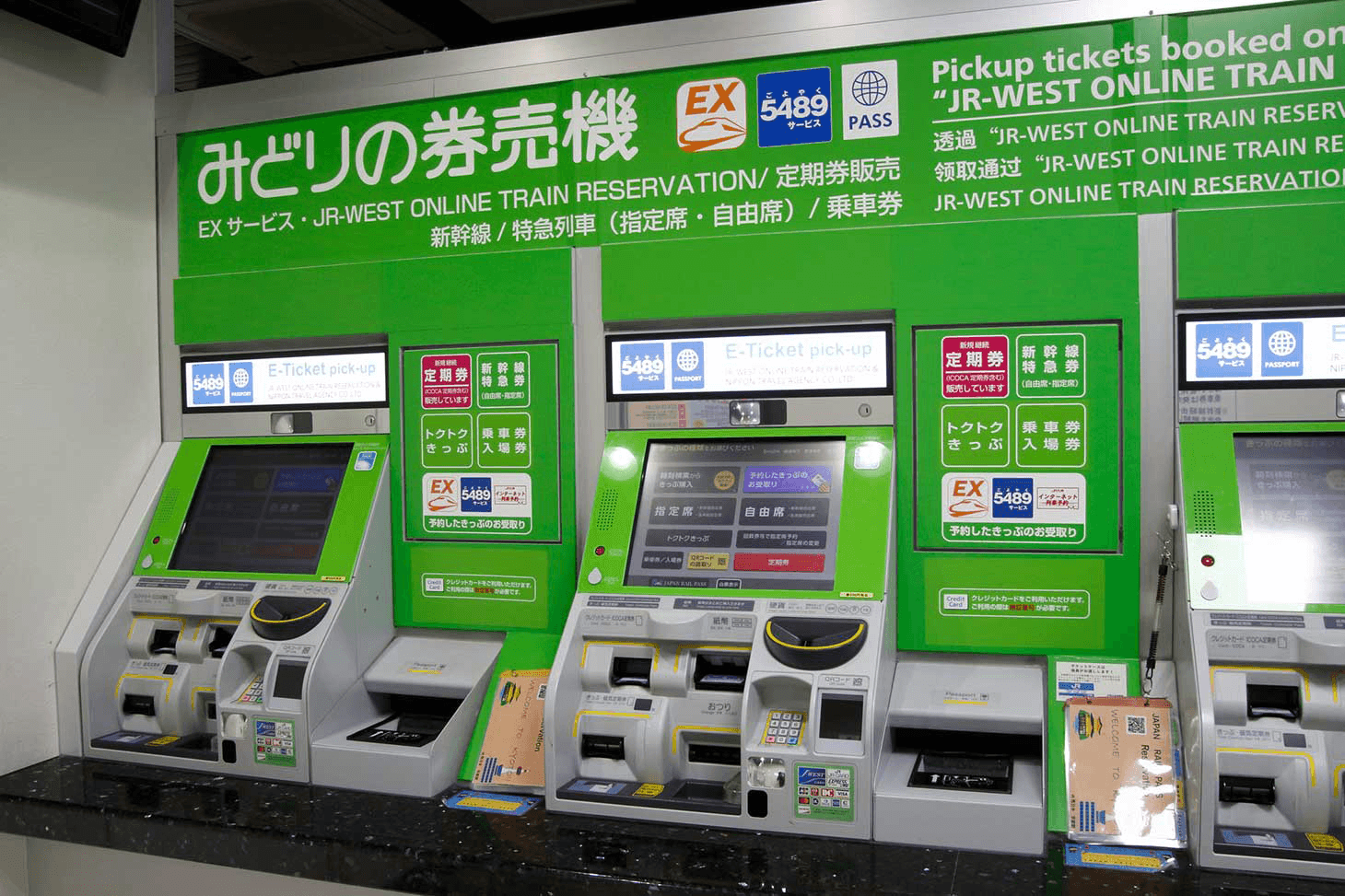
How to purchase tickets from a ticket vending machine
You can also purchase Shinkansen tickets at ticket vending machines located inside the station. Many of these machines support multiple languages, including English and Chinese, and you can easily purchase tickets by following the on-screen instructions. They accept cash and credit cards, which is convenient, but the vending machines are often crowded, especially during peak hours, so you should allow plenty of time to use them.
Online booking method
Online booking is extremely convenient as it allows you to secure your Shinkansen (bullet train) tickets in advance. You can select your train and seat from the website or app, ensuring a smooth boarding experience on the day of travel. Since you can secure seats in advance even during peak hours or on popular trains, using online booking is highly recommended when planning your trip.
How to make a reservation on SmartEX
SmartEX is the official reservation service for the Tokaido Shinkansen, allowing you to easily reserve tickets from your smartphone or computer. By registering as a member in advance, you can also board ticketless by linking it with your transportation IC card. Discounts may be available, making it a particularly convenient service for frequent users.
Reservation service for foreign visitors to Japan
For travelers to Japan, booking services such as Klook and the JR official website are also available. These services offer comprehensive multilingual support, including English, so you can purchase tickets with peace of mind even if you don't understand Japanese. Because you can secure your tickets in advance, the procedures upon arrival are simplified, allowing for smoother travel.
Can the JR Pass be used on the Shinkansen between Tokyo and Kyoto?
What is the JR Pass?
The JR Pass is an unlimited travel pass sold to foreigners traveling in Japan, allowing unlimited travel on JR trains and some buses within a specified period. It comes in nationwide and regional versions, and a major advantage is that it can significantly reduce transportation costs for those making multiple long-distance trips. It can be purchased overseas in advance or redeemed in Japan.
Availability for use on the Shinkansen between Tokyo and Kyoto
While the JR Pass can be used on the Shinkansen between Tokyo and Kyoto, there are restrictions on which trains it can be used on. Since it doesn't cover all trains on the Tokaido Shinkansen line, it's important to check the eligible trains in advance. Understanding and using it correctly will allow for efficient travel.
Use on the "Nozomi"
The "Nozomi" Shinkansen is the fastest train to travel from Tokyo to Kyoto, but it is generally not included in the JR Pass. Therefore, if you want to travel in the shortest possible time, you will need to purchase a separate ticket. JR Pass users should be aware of this.
Use on the "Hikari"
The "Hikari" is a train that can be used with the JR Pass. While it takes slightly longer than the "Nozomi" due to more stops, it's a popular choice for many travelers because it can be used without additional charges. It's suitable for those with ample time or who want to save money.
Use on the "Kodama"
The "Kodama" train can also be used with the JR Pass, and because it stops at every station, it takes the longest. The journey from Tokyo to Kyoto can take around 4 hours, but it's often less crowded, making it easier to secure a seat. It's also suitable for travel that includes sightseeing at intermediate stations.
Shinkansen (bullet train) timetable from Tokyo Station to Kyoto Station
Frequency of service between Tokyo and Kyoto
The Tokyo-Kyoto Shinkansen route is one of the busiest sections of the Tokaido Shinkansen line, characterized by its extremely high frequency of service. During the daytime, trains, mainly "Nozomi" services, run approximately every 10-15 minutes, and the number increases even further when "Hikari" and "Kodama" services are included. It's easy to use without having to meticulously check the timetable, allowing for flexible travel according to your schedule.
First train
The first train from Tokyo Station to Kyoto Station departs in the early morning, around 6:00 AM. This early departure allows you to begin sightseeing in Kyoto in the morning, making it ideal for those who want to make the most of their time there. During peak tourist season, the trains can get crowded, so it's advisable to reserve a seat in advance.
Last train
The last train from Tokyo Station to Kyoto Station departs in the late 9 PM hour. Since you can still use the Shinkansen until this time, you can enjoy your stay in Tokyo and still travel to Kyoto on the same day. However, be aware that the last train tends to be very crowded, and you may not be able to find a seat in the unreserved section.
Tokyo Station to Kyoto Station Timetable
| Departure | Train | Arrival | Travel Time |
|---|---|---|---|
| 06:00 | Nozomi | 08:15 | Approximately 2 hours and 15 minutes |
| 06:10 | Nozomi | 08:25 | Approximately 2 hours and 15 minutes |
| 06:20 | Nozomi | 08:35 | Approximately 2 hours and 15 minutes |
Because trains run at such short intervals, you can flexibly choose a train that suits the time of day.
Features of peak hours
The busiest and most crowded times are between 7 AM and 9 AM, and between 5 PM and 8 PM. Because this section is particularly popular with business travelers, reserved seats tend to fill up quickly. To ensure a comfortable journey, it's important to avoid peak hours or book your tickets in advance.
Summary
The Shinkansen (bullet train) from Tokyo to Kyoto is an extremely efficient mode of transportation for intercity travel, with fares starting at approximately 13,500 yen and a journey time of about 2 hours and 10 minutes at the fastest. Trains run frequently, approximately every 10 to 15 minutes, allowing for flexible use according to your schedule. For the fastest travel, the "Nozomi" is recommended, while the "Hikari" and "Kodama" trains are suitable if you are using a JR Pass. Tickets can be booked at ticket offices, ticket machines, and online, and advance booking ensures a smooth journey. Choose the best option according to your purpose and budget to enjoy a comfortable trip between Tokyo and Kyoto.
Ekitan Travel Media Editorial Department
The Ekitan Travel Media editorial team provides information on transportation in Japan, including Shinkansen (bullet trains), regular trains, intercity travel, and access to tourist destinations. We also provide easy-to-understand travel information for international visitors. This article is published by Ekitan Co., Ltd., the provider of the transfer guidance service "Ekitan," and is based on Japanese railway and transportation information. Ekitan's website and app are used by over 10 million users per month.

The information on this website is based on content available at the time of publication. We do not guarantee its accuracy or timeliness. The content may include advertisements or promotions, and we are not responsible for any external websites linked from this site.