Timetable, Fares, and How to Buy Tickets for the Limited Express "SHIMANTO"
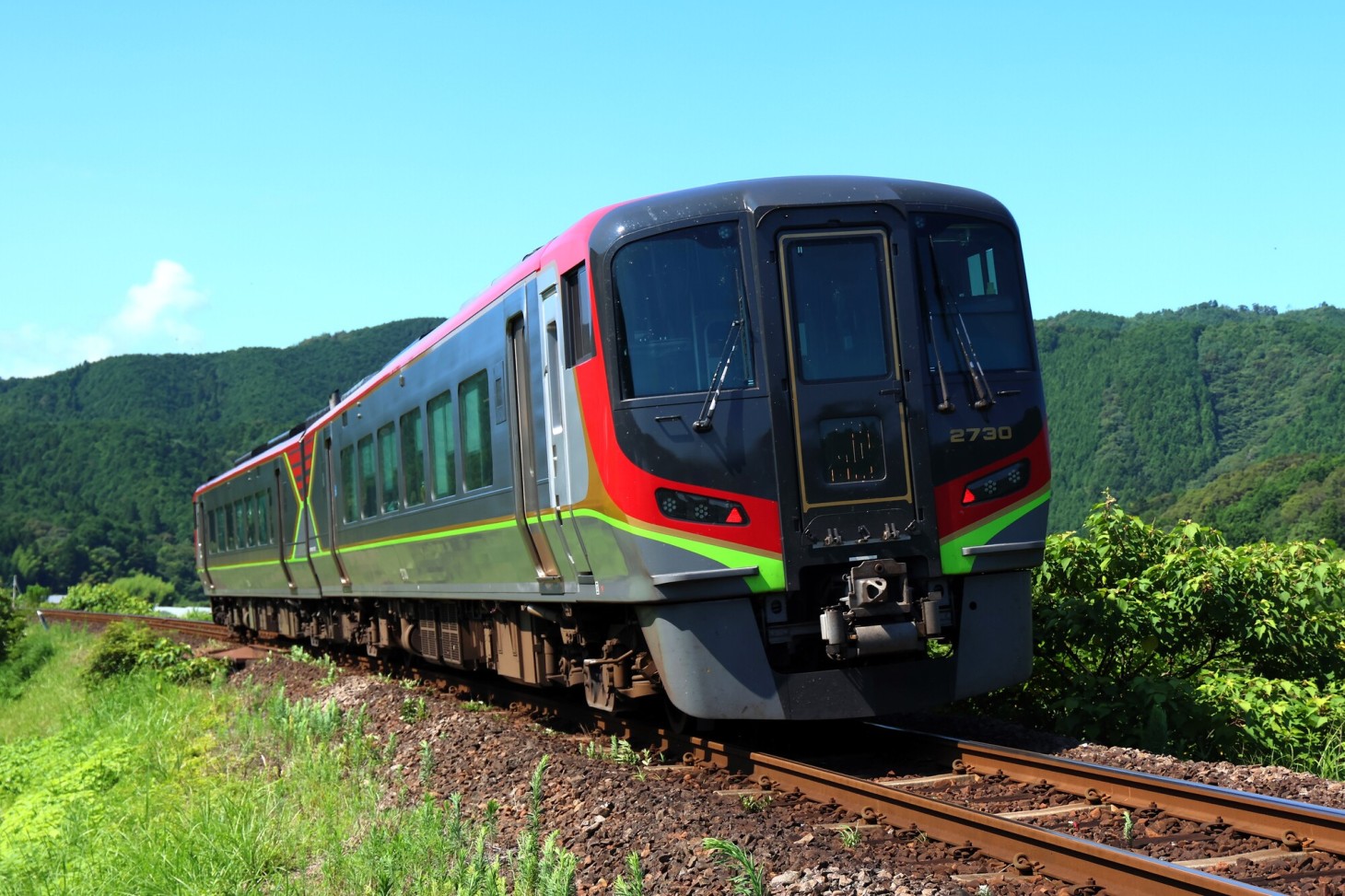
This article provides a comprehensive overview of the JR Shikoku limited express train "Shimanto," which connects Takamatsu Station and Kochi Station. It includes timetables, fares for representative sections, stations served, seating information, ticket purchasing procedures, ticket issuance requirements, and IC card compatibility. As it serves as an access train to Kochi via the Dosan Line, this article summarizes key points to check before your trip.
The information in this article is current as of July 2026. Operating days, timetables, fares, and ticket sales conditions may change, so please check the latest information on Ekitan or the railway company's official website before using the service.
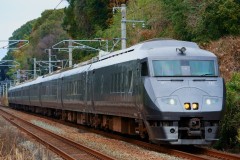
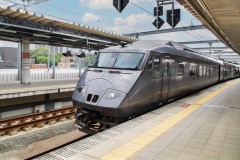
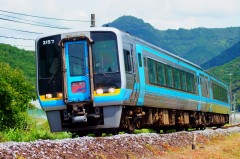
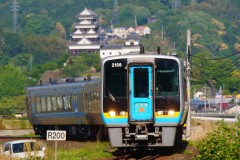
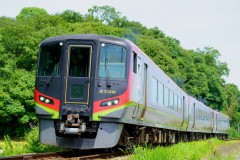
The "Shimanto" is a JR Shikoku limited express train that connects Takamatsu Station and Kochi Station via the Dosan Line. The train's name comes from the Shimanto River, known as Japan's last pristine river. It plays an important role in connecting Takamatsu and Kochi, two major cities in Shikoku. The train uses 2700 series diesel railcars, which are high-performance vehicles equipped with tilting mechanisms. Since there are unreserved seats, you can easily board without a reservation. Some services operate in conjunction with the "Nanpu" limited express train that departs from and arrives in Okayama. There are trains with similar names and destinations, so it is recommended to check the departure information display for the correct train name and destination before boarding.
| item | Content |
|---|---|
| train name | "Shimanto" |
| Operating company | JR Shikoku |
| Main operating sections | Takamatsu Station to Kochi Station |
| Main starting and ending stations | Takamatsu Station / Kochi Station |
| Number of trains running | Several round trips per day |
| Estimated time required | Takamatsu to Kochi: Approximately 2 hours and 10 minutes |
| seat | Ordinary car reserved seats/unreserved seats |
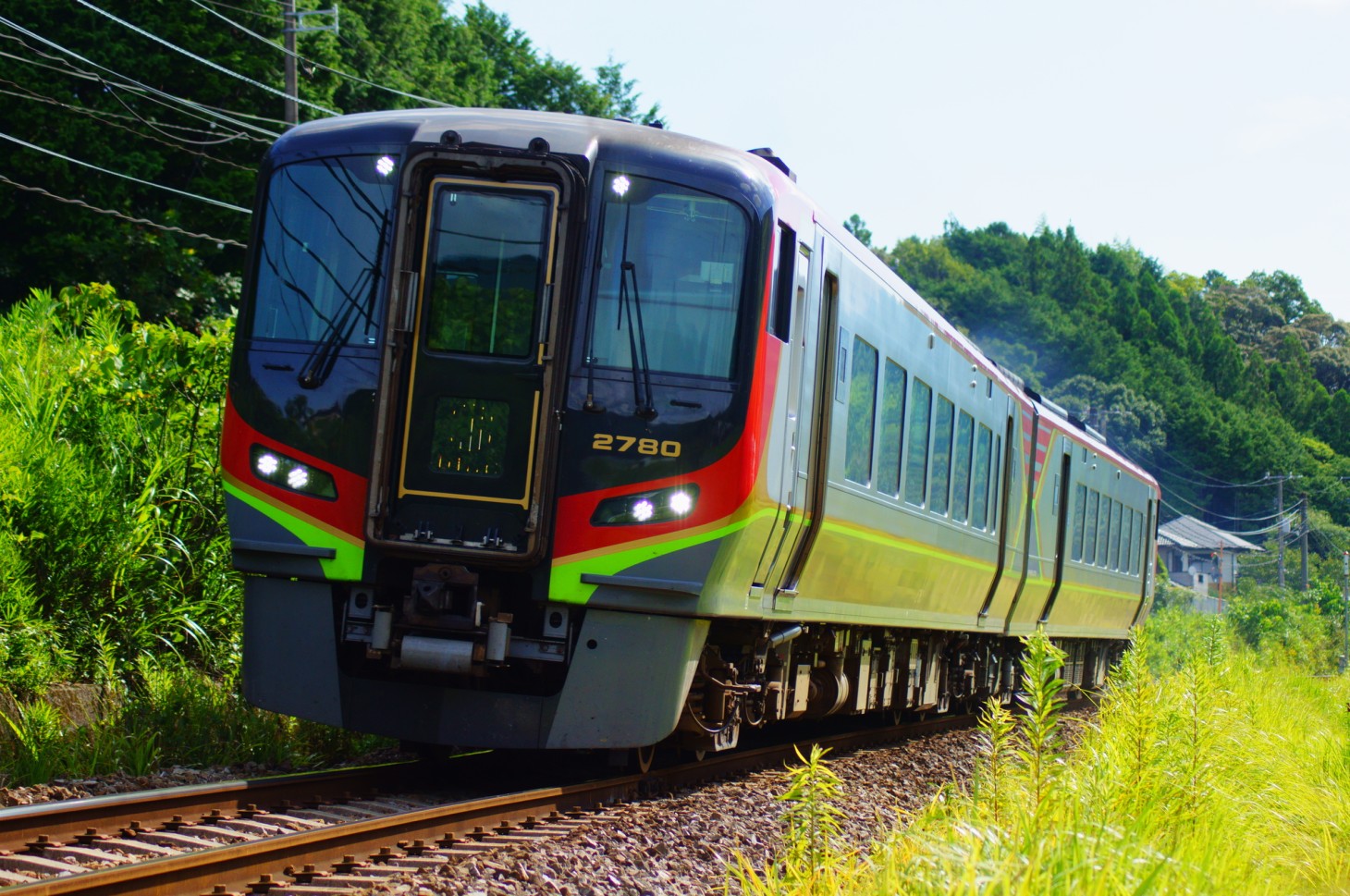
 table of contents
- What is "Shimanto"?
- Shimanto train timetable
- The operating section of "Shimanto"
- Stations on the "Shimanto" line
- The price for "Shimanto"
- How to buy tickets for "Shimanto"
- Do I need to get a physical ticket?
- Can I use contactless payment with an IC card or credit card?
- Seating information for "Shimanto"
- Station bento boxes and in-train gourmet food to enjoy on the "Shimanto" train.
- Points to note when riding the "Shimanto"
- summary
What is "Shimanto"?
"Shimanto" is a JR Shikoku limited express train named after the Shimanto River. The Dosan Line runs from Tadotsu Station through Kotohira and Oboke to Kubokawa in Kochi. It is a mountainous route that cuts through the Shikoku Mountains, with continuous steep gradients and sharp curves. The 2700 series is a tilting diesel railcar, enabling high-speed operation on curves. On services that operate in conjunction with "Nanpu," the trains are split and merged at intermediate stations.
Train features and popular points
The appeal of the "Shimanto" train lies in its convenience, connecting Takamatsu and Kochi, two major cities in Shikoku. Oboke and Koboke are scenic spots carved by the Yoshino River, featuring a series of strangely shaped rocks. Kotohira is a temple town for Kotohira-gu Shrine, affectionately known as "Konpira-san." Kotohira-gu Shrine is famous for its pilgrimage, which involves climbing 785 stone steps to reach the main shrine. Katsurahama Beach in Kochi is a scenic spot where a statue of Sakamoto Ryoma gazes out at the Pacific Ocean. Kochi Castle is a valuable castle where both the keep and the main palace still exist. At Hirome Market, you can enjoy Kochi's local cuisine, including seared bonito. The 2700 series train uses a tilting mechanism to maintain speed on the winding Dosan Line. Checking the stops and travel time before boarding makes it easier to plan an itinerary that includes stops along the way. The scenery from the train window changes greatly depending on the season, so it is recommended to choose the time of year according to your purpose. The Dosan Line is known as a mountain railway line that traverses the Shikoku Mountains.
Shimanto train timetable
Downbound (towards Kochi Station) timetable
| Stations | Example 1 | Example 2 |
|---|---|---|
| Departing from Takamatsu Station | 06:04 | 08:25 |
| Arrived at Kochi Station | 08:18 | 10:37 |
Timetable for northbound trains (towards Takamatsu Station)
| Stations | Example 1 | Example 2 |
|---|---|---|
| Departing from Kochi Station | 04:51 | 20:32 |
| Arrived at Takamatsu Station | 07:02 | 22:46 |
The "Shimanto" train operates several round trips per day. Since the schedule may change depending on the season and timetable revisions, it's best to check the latest schedule on the Ekitan website before boarding. There are more trains during the morning and evening rush hours, while the intervals between trains may be longer during the daytime. If you have connecting trains or buses, it's advisable to choose connections that allow ample time before your arrival.
Important information regarding operating days and days when the service is suspended.
The "Shimanto" train operates daily throughout the year. Some services are operated in conjunction with the "Nanpu" train. The Dosan Line is susceptible to heavy rain, so service may be suspended.
The operating section of "Shimanto"
Main sections
- Takamatsu Station to Tadotsu Station (Yosan Line)
- Tadotsu Station to Oboke Station (Dosan Line)
- Oboke Station to Kochi Station (Dosan Line)
Kochi Station is the gateway to Kochi tourism. Katsurahama Beach is a scenic spot where a statue of Sakamoto Ryoma stands. Kochi Castle is a valuable castle with an existing keep and main palace. You can enjoy katsuo no tataki (seared bonito) at Hirome Market. You can take a sightseeing boat tour of the Oboke Gorge to see the spectacular scenery. Kotohira Kotohira Shrine is known for its 785 stone steps leading up to the shrine. Ritsurin Garden in Takamatsu is a garden designated as a Special Place of Scenic Beauty. Since travel to surrounding tourist spots is mainly by bus or on foot, it is a good idea to check local transportation options in advance. There are often tourist information centers around the station where you can obtain maps and brochures. For lines with limited service, it is reassuring to check the return train and bus schedules as well. Iya Kazurabashi Bridge can be accessed by bus from Oboke.
Stations on the "Shimanto" line
Main stops
- Takamatsu Station
- Sakaide Station
- Tadotsu Station
- Kotohira Station
- Oboke Station
- Kochi Station
The price for "Shimanto"
Representative section fare
| section | Total fare (adult, reserved seat in standard class, regular season) | train ticket | Express train fare |
|---|---|---|---|
| Takamatsu Station to Kochi Station | 6,320 yen | 3,370 yen | 2,950 yen |
Breakdown of train ticket and express train fare
The fare for the "Shimanto" train is the sum of the basic fare to your destination and the limited express surcharge. The limited express surcharge differs between reserved and unreserved seats, with reserved seats being slightly more expensive. When purchasing tickets, make sure you have both the basic fare ticket and the limited express surcharge. JR's limited express surcharges are set according to the distance traveled, and the amount may vary depending on whether it is a normal season, peak season, or off-peak season. The fare is divided into the "basic fare" for the journey to your destination and the "limited express surcharge" for riding the limited express train. Note that you cannot ride the limited express train with just a basic fare ticket; you must purchase both.
Combined operation with "Nanpu"
The "Shimanto" train sometimes operates in conjunction with the "Nanpu" train, which departs from and arrives in Okayama. On these coupled trains, the train is split and merged at intermediate stations. If you board the wrong car, you may end up going in a different direction than your destination. Be sure to check the car number and destination before boarding.
How to buy tickets for "Shimanto"
e5489 (Internet reservation)
JR West's internet reservation service, "e5489," allows you to purchase reserved seats using a credit card. Reserved seats go on sale one month prior to the travel date at 10:00 AM. When making a reservation, you specify the travel date, route, train name, and number of passengers, and then select your seats. In addition to credit cards, cash is also accepted depending on the purchase method. Changes and refunds after booking are subject to certain conditions and fees.


Reserved seat ticket machines and ticket counters
You can purchase reserved seat express train tickets at the station's reserved seat ticket vending machines or at the Midori-no-Madoguchi (ticket office). If you wish to use a non-reserved seat, you only need to purchase a regular train ticket and a non-reserved express train ticket. Ticket vending machines often support multiple languages, making them easy to use even if you don't understand Japanese. At the ticket office, simply tell the staff your destination and desired departure time, and they will guide you to the appropriate train. Ticket offices can get crowded during peak seasons, so it's best to go with plenty of time to spare.
travel agency
Major travel agencies offer travel packages that combine accommodation and train travel in the Kochi area.
How to buy for foreign tourists
The "Shimanto" train is operated by JR Shikoku, so it can be used with the JAPAN RAIL PASS or other passes for the Shikoku area. Even when using a pass, you will need to obtain a separate seat reservation ticket if you wish to use a reserved seat. Unreserved seats can be used with the pass alone. Some station ticket windows offer information in foreign languages. Special tickets for international tourists may have limited purchase conditions and sales locations, so it is advisable to check before traveling.
Do I need to get a physical ticket?
Tickets purchased through online reservations may require you to pick up a paper ticket. Please check the reservation completion screen to see if you are eligible for a ticketless product and to see how to receive your ticket. If you need to pick up a paper ticket, please complete the procedure at a designated ticket machine or ticket counter before boarding.
Can I use contactless payment with an IC card or credit card?
IC cards may be usable on some sections around Takamatsu. However, most of the Dosan Line is outside the IC card coverage area. Transportation IC cards can sometimes be used across regions through the nationwide interoperability service. However, the usable area is determined by each railway company, so be sure to check in advance whether your journey is within their coverage area.
Contactless payment via credit card is not available for boarding at ticket gates.
Seating information for "Shimanto"
Seat type
The "Shimanto" train is operated using 2700 series diesel railcars and consists of reserved and unreserved seats in ordinary cars. During peak seasons, seats fill up quickly, so it's best to book early once your travel dates are decided. If you want to sit together with your travel companions, booking together makes it easier to secure adjacent seats. When booking, you may be able to choose between window and aisle seats. If you want to sit together with your travel companions, booking together makes it easier to secure adjacent seats.
| Seat type | Content |
|---|---|
| Ordinary car reserved seat | Standard 2+2 row seating |
| Regular car unreserved seat | No reservation required; available with a non-reserved express train ticket. |
Distinctive seating
The 2700 series is a diesel railcar equipped with a tilting mechanism, ensuring a comfortable ride even on curves. Some seats have power outlets, convenient for charging devices during travel. The large windows allow passengers to enjoy the scenic beauty of the Oboke Gorge. The seats also recline. Since the view changes depending on the direction of travel, it's a good idea to check your seat location when making a reservation. Window seats are suitable for those who want to enjoy the scenery, while aisle seats are ideal for those who prioritize ease of boarding and alighting. For long journeys, checking and booking your seat location in advance will ensure a more comfortable experience.
Large luggage storage area
A luggage rack is provided at the end of the train car.
Barrier-free facilities
Wheelchair-accessible seating is available within the train. If you wish to use it, we recommend contacting a JR Shikoku ticket office in advance. Multipurpose rooms and wheelchair-accessible facilities may vary depending on the train car and train set.
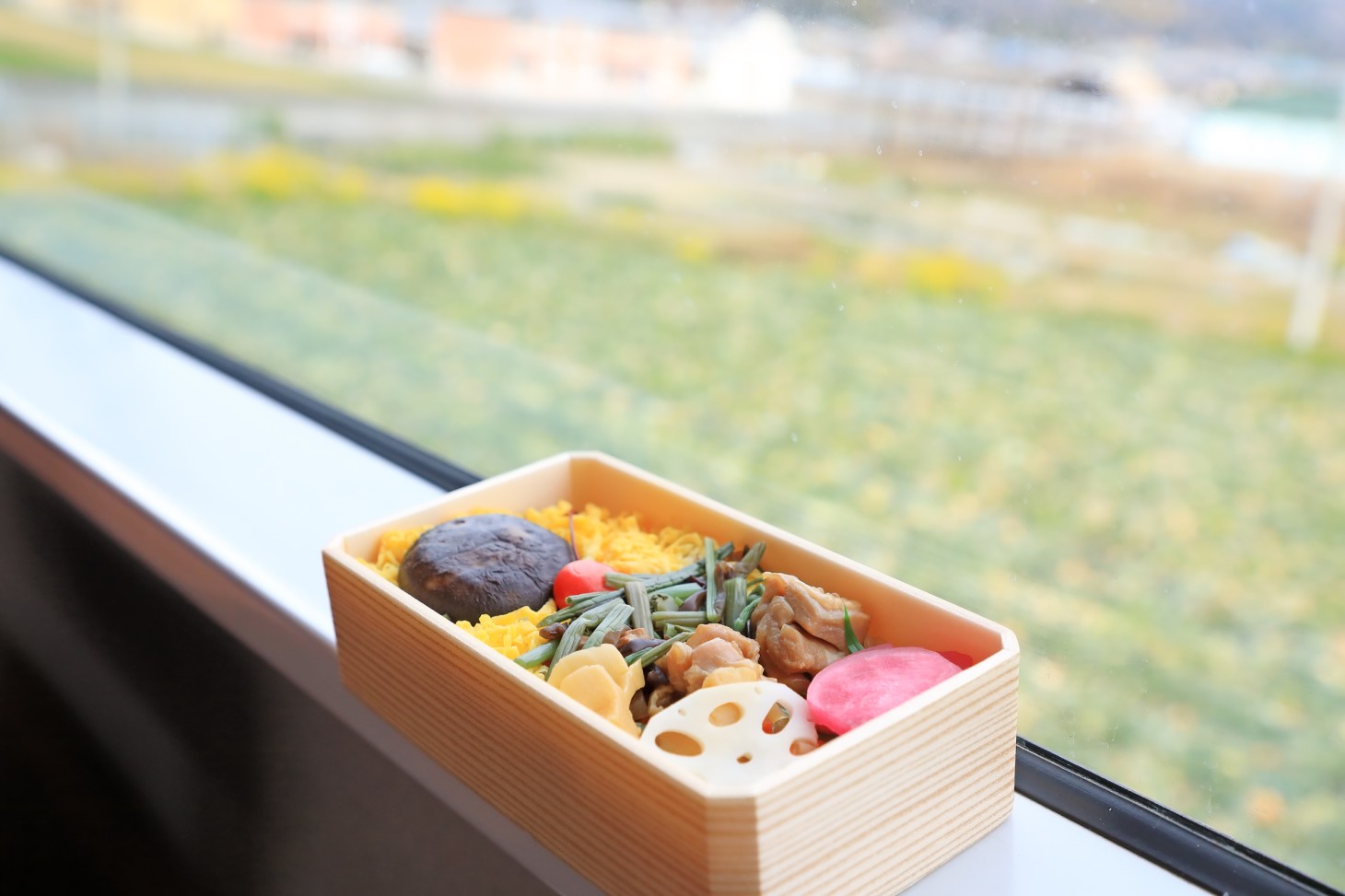
Station bento boxes and in-train gourmet food to enjoy on the "Shimanto" train.
There is no in-car sales service on the "Shimanto" train. If you would like to enjoy a meal, it is recommended to prepare in advance at a shop at Takamatsu Station. In Kagawa Prefecture, Sanuki udon noodles are a nationally renowned specialty. In Kochi Prefecture, katsuo no tataki (seared bonito) and Tosa maki (rolled omelet) are local specialties. Since the operating hours of the station shops may be limited, it is best to stop by early. There is a wide variety of ekiben (station bento boxes), so it is fun to take some time to choose one before boarding. Some stations along the line have shops that sell local specialties. When eating or drinking on the train, please be considerate of others, such as avoiding foods with strong odors, to ensure a pleasant experience. Dispose of empty containers and trash in the trash cans on the train or at the station after disembarking.
Points to note when riding the "Shimanto"
The "Shimanto" train sometimes operates in conjunction with the "Nanpu" train. Be sure to check which car you board, as boarding the wrong car may take you to a different destination. If you use the unreserved seats, you may not be able to find a seat during peak hours. The Dosan Line is susceptible to heavy rain, so check the operating status beforehand. Due to the tilting mechanism, you may feel swaying in sections with many curves. During peak seasons, both stations and trains can be crowded, so allow plenty of time for travel. Before boarding, check the train name, car number, and seat number printed on your ticket. If you are bringing large luggage, please use the luggage racks or overhead compartments to avoid blocking the aisle. Onboard, it is good manners to keep phone calls to a minimum so as not to disturb other passengers.
Since there is no onboard service, please prepare any meals you plan to eat before boarding. It is also a good idea to check the train's operating status on Ekitan or the railway company's official website before boarding.
summary
The "Shimanto" is a JR Shikoku limited express train that connects Takamatsu Station and Kochi Station via the Dosan Line. It connects major cities in Shikoku, offering scenic views of the Oboke Gorge from the train windows. Some services are coupled with the "Nanpu" limited express, so be sure to check which car you will be boarding.
Enjoy your journey to Tosa on the "Shimanto" train, which crosses the Shikoku Mountains.

The information on this website is based on content available at the time of publication. We do not guarantee its accuracy or timeliness. The content may include advertisements or promotions, and we are not responsible for any external websites linked from this site.