“Sunrise Seto” Timetable, Fares, and How to Buy Tickets
This article provides a comprehensive overview of the “Sunrise Seto,” a sleeper express train operated by JR East, JR Central, JR West, and JR Shikoku connecting Tokyo Station and Takamatsu Station. It covers timetables, fares for representative routes, stations served, sleeping and seating facilities, ticket purchasing procedures, ticket issuance requirements, and IC card compatibility. As the only sleeper train crossing the Seto Ohashi Bridge, this article highlights key points to consider before your trip.
*The information in this article is current as of July 2026. Operating days, timetables, fares, and ticket sales conditions may change, so please check the latest information on Ekitan or the railway company's official website before using the service.
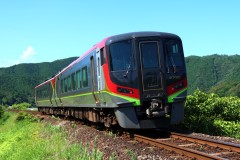
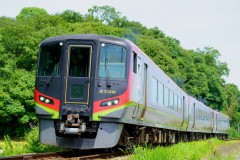
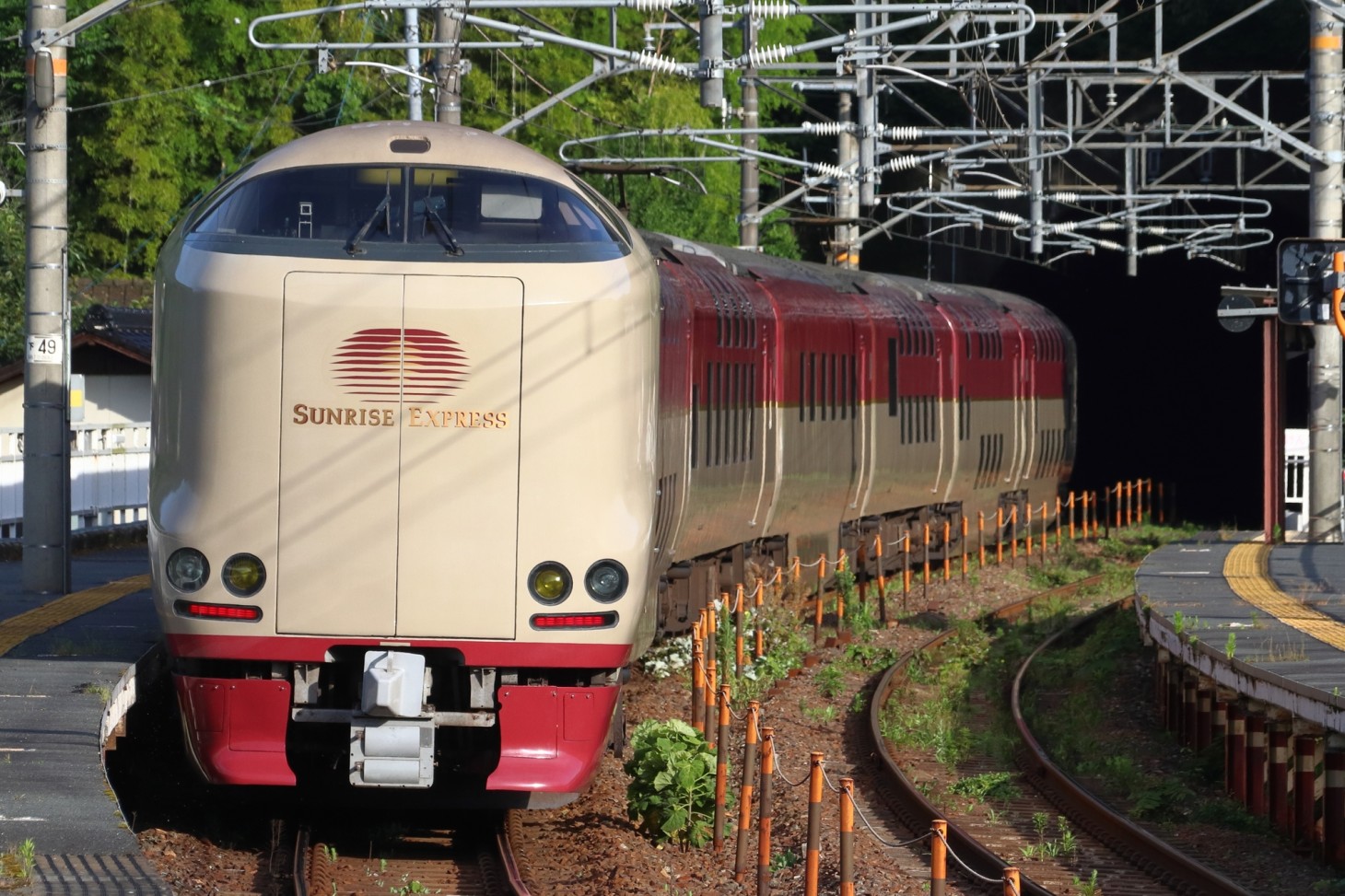
The “Sunrise Seto” is a sleeper express train connecting Tokyo Station and Takamatsu Station. Operated by the 285 series electric train, which debuted in July 1998, it runs coupled with the sleeper express “Sunrise Izumo” from Tokyo Station to Okayama Station. After being separated at Okayama Station, it continues to Takamatsu Station via the Seto-Ohashi Line (Honshi-Bisan Line). As of 2026, it is the only sleeper train crossing the Seto Ohashi Bridge. All seats are reserved, so advance seat and berth reservations are required. As a train that carries on the lineage of sleeper express trains dating back to the JNR (Japanese National Railways) era, it enjoys enduring popularity not only among railway enthusiasts but also among general travelers.
| Item | Content |
|---|---|
| Train Name | “Sunrise Seto” |
| Operating Company | JR East, JR Central, JR West, JR Shikoku |
| Main Operating Sections | Tokyo Station to Takamatsu Station (via Tokaido Main Line, Sanyo Main Line, and Seto-Ohashi Line) |
| Main Starting and Ending Stations | Tokyo Station / Takamatsu Station |
| Number of Trains Running | One round trip per day |
| Estimated Travel Time | Tokyo to Takamatsu: Approximately 9 hours |
| Seats | “Nobinobi” seats (reserved seats where you can lie down), various private sleeping compartments |
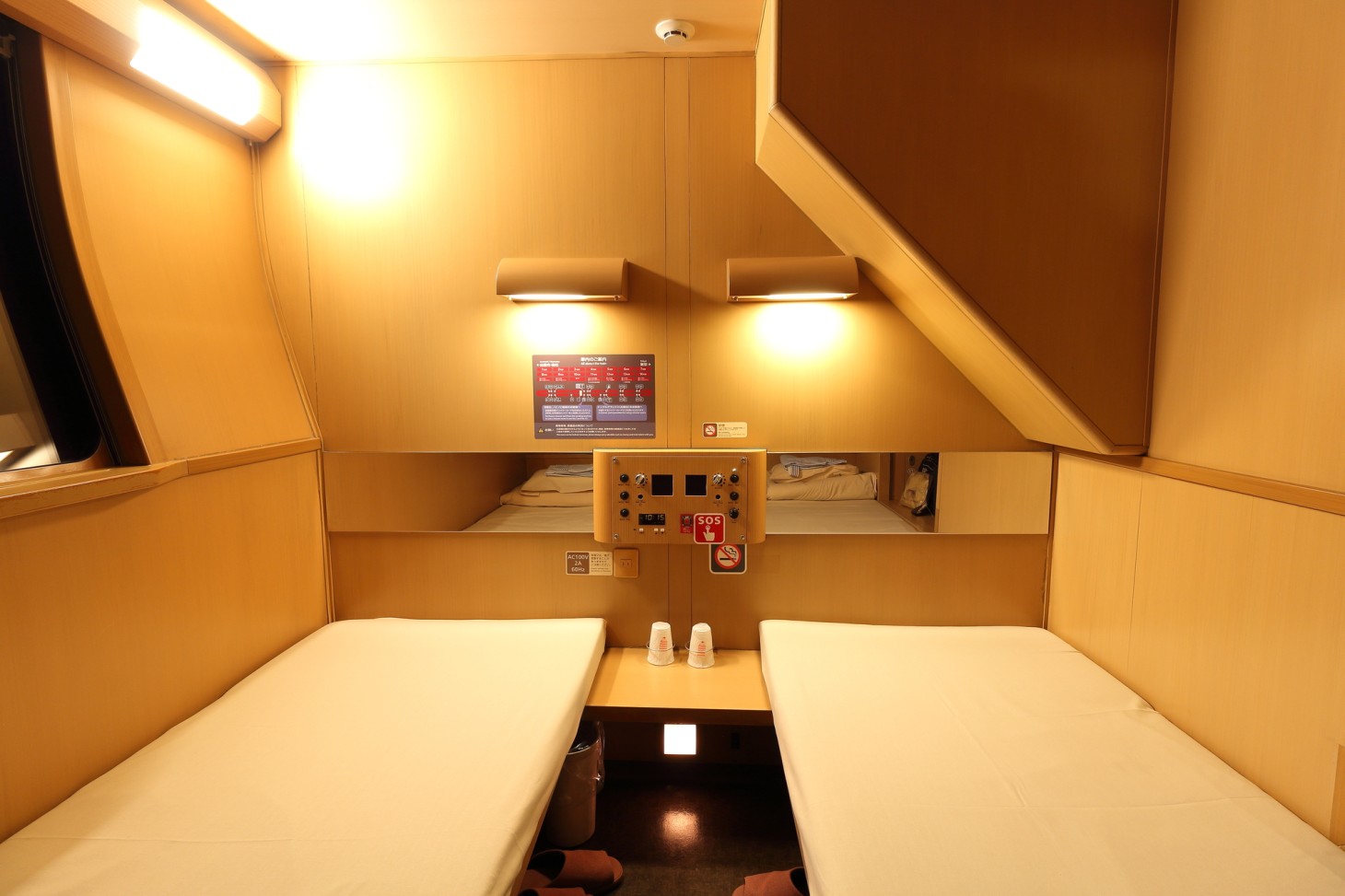
 Table of Contents
- What is “Sunrise Seto”?
- “Sunrise Seto” Timetable
- Operating Sections of “Sunrise Seto”
- Stations Where the “Sunrise Seto” Stops
- Fares for “Sunrise Seto”
- How to Buy Tickets for “Sunrise Seto”
- Is a Physical Ticket Required?
- Can IC Cards or Credit Card Touch Payments Be Used?
- Information on Seats and Berths on the “Sunrise Seto” Train.
- Bento Boxes and In-Train Gourmet Food to Enjoy on the “Sunrise Seto” Train.
- Points to Note When Riding the “Sunrise Seto”
- Summary
What is “Sunrise Seto”?
The “Sunrise Seto” is a sleeper express train operated by the 285 series electric train, which debuted on July 10, 1998. It departs from Tokyo Station and travels along the Tokaido Main Line and Sanyo Main Line to Okayama Station, where it operates as a 14-car train coupled with the “Sunrise Izumo” (bound for Izumo City). At Okayama Station, it is split into two 7-car trains, and the “Sunrise Seto” then travels via the Seto-Ohashi Line to Takamatsu Station. As the only sleeper train in Japan that crosses the Seto Ohashi Bridge, it is highly popular among railway enthusiasts.
Train Features and Popular Points
The appeal of the “Sunrise Seto” lies in its ability to travel from Tokyo to Takamatsu without transfers, and to offer the experience of crossing the Seto Ohashi Bridge while sleeping. The “Nobinobi” seats, which can be used without a berth fee, are carpeted spaces where you can lie down, allowing you to experience sleeper train travel at a reasonable price. Private berths include single, single twin, Sunrise Twin, solo, and single deluxe, catering to a wide range of needs. Another advantage of this train is that you can travel long distances overnight, allowing you to make the most of your daytime sightseeing time.
“Sunrise Seto” Timetable
*The “Sunrise Seto” train operates daily, but cancellations and delays may occur.
Southbound (towards Takamatsu) Timetable
| Stations | “Sunrise Seto” Train |
|---|---|
| Departing from Tokyo | Around 21:50 |
| Departing from Yokohama | ― |
| Arriving in Okayama | The following day, around 6:00 |
| Arriving in Takamatsu | The following day, around 7:00 |
*The train will operate in conjunction with the “Sunrise Izumo” between Tokyo and Okayama.
Northbound (towards Tokyo) Timetable
| Stations | “Sunrise Seto” Train |
|---|---|
| Departing from Takamatsu | Around 22:00 |
| Departing from Okayama | Around 23:00 |
| Arriving in Tokyo | The following day, around 7:00 |
*Times shown are examples.
The “Sunrise Seto” operates daily, making one round trip between Tokyo Station and Takamatsu Station. Between Tokyo Station and Okayama Station, it is coupled with the “Sunrise Izumo” as a 14-car train. At Okayama Station, it is split into two 7-car trains, which then travel to Takamatsu Station via the Seto-Ohashi Line. One of the unique attractions of this train is that passengers can enjoy the night view as it crosses the Seto Ohashi Bridge late at night.
Important Information Regarding Operating Days and Service Suspensions
The “Sunrise Seto” train operates daily throughout the year. However, cancellations and delays may occur due to bad weather or equipment maintenance. In addition, service may be suspended on the Seto-Ohashi Line due to heavy rain or strong winds, so it is recommended to check the daily service information as well.
Operating Sections of “Sunrise Seto”
Main Sections
- Tokyo Station to Okayama Station (Tokaido Main Line/Sanyo Main Line, operated in conjunction with “Sunrise Izumo”)
- Okayama Station to Takamatsu Station (Seto-Ohashi Line/Honshi-Bisan Line)
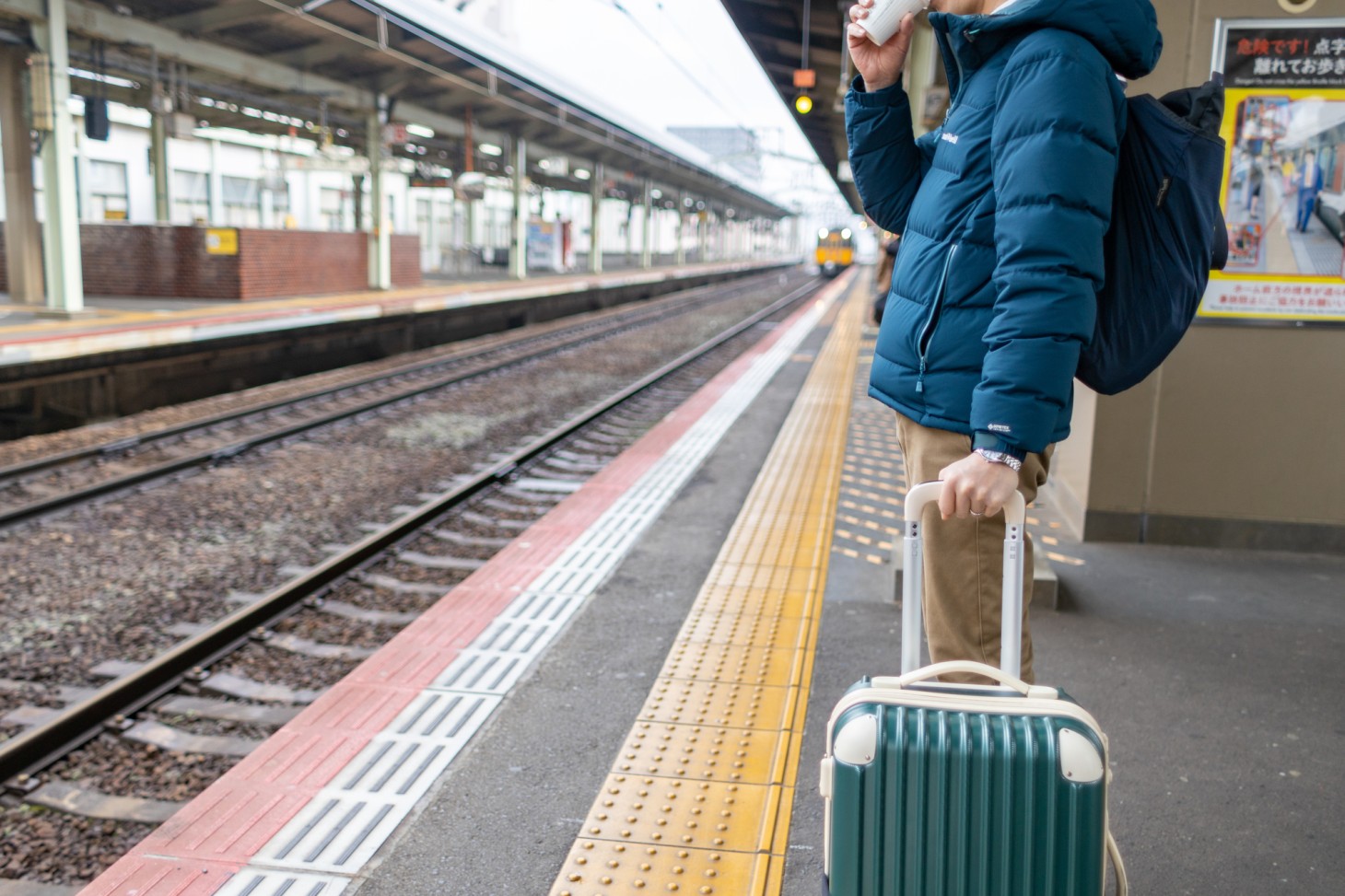
Takamatsu Station is the prefectural capital of Kagawa Prefecture and serves as a base for sightseeing, including udon noodle tours, Ritsurin Garden, and the islands of the Seto Inland Sea. On the Seto Ohashi Line section, you can enjoy magnificent views of the islands floating in the Seto Inland Sea and the Seto Ohashi Bridge (due to nighttime operation, daylight views are mainly seen in some sections in the early morning and evening).
Stations Where the “Sunrise Seto” Stops
Main Stops
- Tokyo Station
- Yokohama Station
- Okayama Station
- Kojima Station
- Sakaide Station
- Takamatsu Station
*Stations where the train stops may vary depending on the train and operating day.
Fares for “Sunrise Seto”
Representative Section Fares
| Section | Total Fare (Adult, Estimated for Regular Season) | Basic Fare Ticket | Limited Express Fare, Berth Fare, etc. |
|---|---|---|---|
| Tokyo Station to Takamatsu Station (“Nobinobi” Seat) | 15,590 yen | Basic Fare Ticket: 11,760 yen | Reserved Seat Limited Express Fare: 3,830 yen (Regular Season) |
| Tokyo Station to Takamatsu Station (B-class Private Berth Single) | 22,760 yen | Basic Fare Ticket: 11,760 yen | Limited Express Fare 3,300 yen + Berth Fare 7,700 yen |
*No sleeping berth fee is required for “Nobinobi” seats. If you use a private sleeping compartment, a sleeping berth fee will be added depending on the type of seat/berth.
*No sleeping berth fee is required for “Nobinobi” seats. A sleeping berth fee will be added if you use a private sleeping compartment.
Breakdown of Basic Fare Ticket, Limited Express Fare, and Berth Fare
The fare for the “Sunrise Seto” is calculated by adding a berth fare to the basic fare and limited express fare, depending on the type of seat or private compartment used. The “Nobinobi” seats offer space to lie down and can be used with only the basic fare and limited express fare; no berth fare is required. If you use a private sleeper compartment (single, single twin, Sunrise Twin, solo, etc.), a separate fee for the respective compartment is required. Children's fares and limited express fares are half the adult fare (rounded up to the nearest 10 yen), but private sleeper compartment fees may be the same for children as for adults.
Types and Features of Private Sleeping Compartments
Private sleeping compartments include B-class single, single twin, Sunrise Twin, and solo compartments, as well as A-class single deluxe compartments. The Sunrise Twin is a B-class private compartment for two people, and the Single Deluxe is a higher-grade private compartment for one person.
How to Buy Tickets for “Sunrise Seto”
Eki-net / e5489 (Internet Reservation)
You can purchase berth tickets and reserved seat tickets using credit card payments through JR East's “Eki-net” and JR West's “e5489”. Because these are popular trains, they often sell out immediately after going on sale one month before the travel date, so early booking is important.

Reserved Seat Ticket Machines and Midori-no-madoguchi
You can purchase berth tickets and reserved seat tickets at the station's designated seat ticket machines and Midori-no-madoguchi starting one month before your travel date.
Travel Agencies
Major travel agencies also offer tour packages that include reserved seats and berths on the “Sunrise Seto” train.
How to Buy for Foreign Tourists
The “Sunrise Seto” train runs on JR lines, so it may be usable with a JR Pass. While the “Nobinobi” seats are treated as reserved seats in ordinary cars, additional charges such as berth fees apply if you wish to use a private sleeping compartment. Please check when booking, as the handling may vary depending on the type of pass and where you purchased it.
*The applicable routes and usage conditions for each pass vary depending on the type of pass.
Is a Physical Ticket Required?
In most cases, berth tickets and reserved seat tickets for the “Sunrise Seto” train must be picked up as paper tickets at designated ticket machines or Midori-no-madoguchi at stations before boarding. Whether you can board ticketless after making an online reservation depends on the service you use.
Can IC Cards or Credit Card Touch Payments Be Used?
Since the “Sunrise Seto” is a long-distance sleeper train, it's essential to prepare a separate ticket in advance, including a basic fare ticket, limited express fare ticket, and berth or reserved seat ticket, rather than relying solely on a transportation IC card. Whether you can use an IC card for the basic fare portion depends on the section and area you're traveling across, so it's safer to prepare a paper ticket.
The contactless payment service for boarding via credit card is not available for the entire long-distance journey on the “Sunrise Seto” train.
*Please note that you cannot board using only an IC card. Limited Express Fares and Berth Fares must be purchased separately.
Information on Seats and Berths on the “Sunrise Seto” Train.
Seat/Berth Types (All Seats Reserved)
The “Sunrise Seto” consists of “Nobinobi” seats and various private sleeping compartments. There are no open-type sleeping compartments (separated only by curtains); private sleeping compartments are the main feature.
| Seat/Berth Type | Content |
|---|---|
| “Nobinobi” Seat | Carpeted reserved seats in standard class where you can lie down; no extra charge for a sleeping berth. |
| Single | Single-person B-class sleeping compartment |
| Single Twin | Private B-class sleeping compartment for 1-2 people |
| Solo | A slightly compact B-class sleeper compartment for one person. |
| Sunrise Twin | Two-person B-class sleeping compartment |
| Single Deluxe | Single-person A-class sleeping compartment |
Distinctive Seats
The Single Deluxe is a private A-class sleeping compartment for one person, offering a more spacious and higher-end experience. The Sunrise Twin is a private B-class sleeping compartment for two people, ideal for those who wish to share a private room. The “Nobinobi” Seat is a carpeted space where you can lie down without paying a berth fee, making it popular with travelers who want to experience overnight train travel at a reasonable price.
Large Luggage Storage Area
Each private room and seating area has space to store luggage.
Barrier-Free Facilities
The 285 series trains have private compartments that are accessible to passengers. If you will be using a wheelchair, it is recommended that you contact a JR West or JR Shikoku ticket office or information center in advance.
Bento Boxes and In-Train Gourmet Food to Enjoy on the “Sunrise Seto” Train.
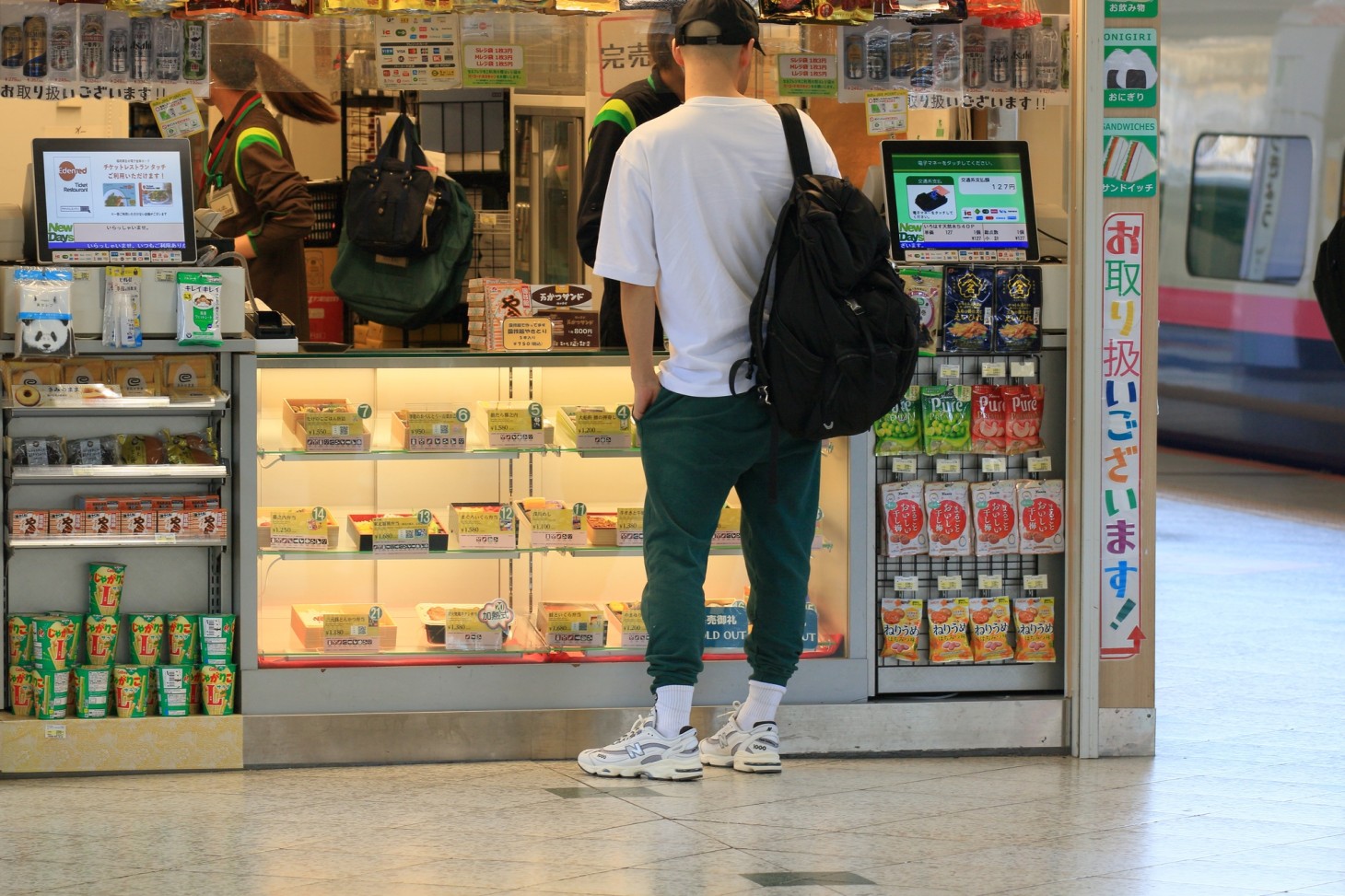
There is no onboard sales service on the “Sunrise Seto” train. While some private compartments have washbasins, there is no dining car, so it is recommended to prepare food and drinks at Tokyo Station or elsewhere before boarding. The train also has a lounge car where you can relax on bench seats facing the windows.
*Availability of onboard sales and bento boxes varies depending on the train and time of year.
Points to Note When Riding the “Sunrise Seto”
Since all seats on the “Sunrise Seto” are reserved, if you have a set date of travel, it is recommended that you make your reservation as early as possible when tickets go on sale one month prior to your travel date. In particular, popular private rooms such as Sunrise Twin and Single Twin often sell out immediately after tickets go on sale. Also, after departing Tokyo Station, there are few stops until the next morning after passing Yokohama Station, so if you plan to get off at an intermediate station, be sure to check the stops in advance.
Since there are no onboard sales or dining cars, be sure to prepare your food and drinks before boarding. The train splits into the “Sunrise Izumo” at Okayama Station, so be careful not to board the wrong car. The train crosses the Seto Ohashi Bridge from late night to early morning, so if you want to enjoy the scenery from the window, you should plan your trip to be awake.
Summary
The “Sunrise Seto” is the only sleeper express train that crosses the Seto Ohashi Bridge, connecting Tokyo Station and Takamatsu Station. Operated by 285 series electric trains, it offers a wide range of seating and private compartments, from “Nobinobi” seats to various private berths. As all seats are reserved, in addition to the basic fare and limited express fare, a berth fee is required depending on the seat or compartment chosen. The JR Pass can be used on JR lines, but additional charges such as berth fees are required when using a private berth. Since its launch in 1998, it has been a valuable presence that preserves Japan's sleeper train culture.
Please note that timetables, fares, and seating arrangements are subject to change. Check the latest information before departure and enjoy the “Sunrise Seto,” a special experience where you can cross the Seto Ohashi Bridge while sleeping.

The information on this website is based on content available at the time of publication. We do not guarantee its accuracy or timeliness. The content may include advertisements or promotions, and we are not responsible for any external websites linked from this site.