Shinkansen Fares and Ticket Reservation Methods from Shinagawa to Hakata
Overview of How to Travel from Shinagawa to Hakata
You can travel from Shinagawa Station to Hakata Station using the Tokaido and Sanyo Shinkansen lines. This article explains Shinkansen fares, travel time from departure to arrival, and how to book tickets. We've also compiled useful information for your trip to Japan, such as JR Pass usage rules and the types of trains you can use.
Basic Information from Shinagawa to Hakata
- Estimated travel time using the "Nozomi": Approximately 4 hours 45-56 minutes
- Fare for unreserved seats (no reservation required): 22,220 yen
- The fare for reserved seats, which require advance booking, is 23,810 yen.
- Available train: "Nozomi"
- JR Pass: Please refer to "5. Can the JR Pass be used between Shinagawa and Hakata?" below.
The Appeal of Hakata as a Tourist Destination
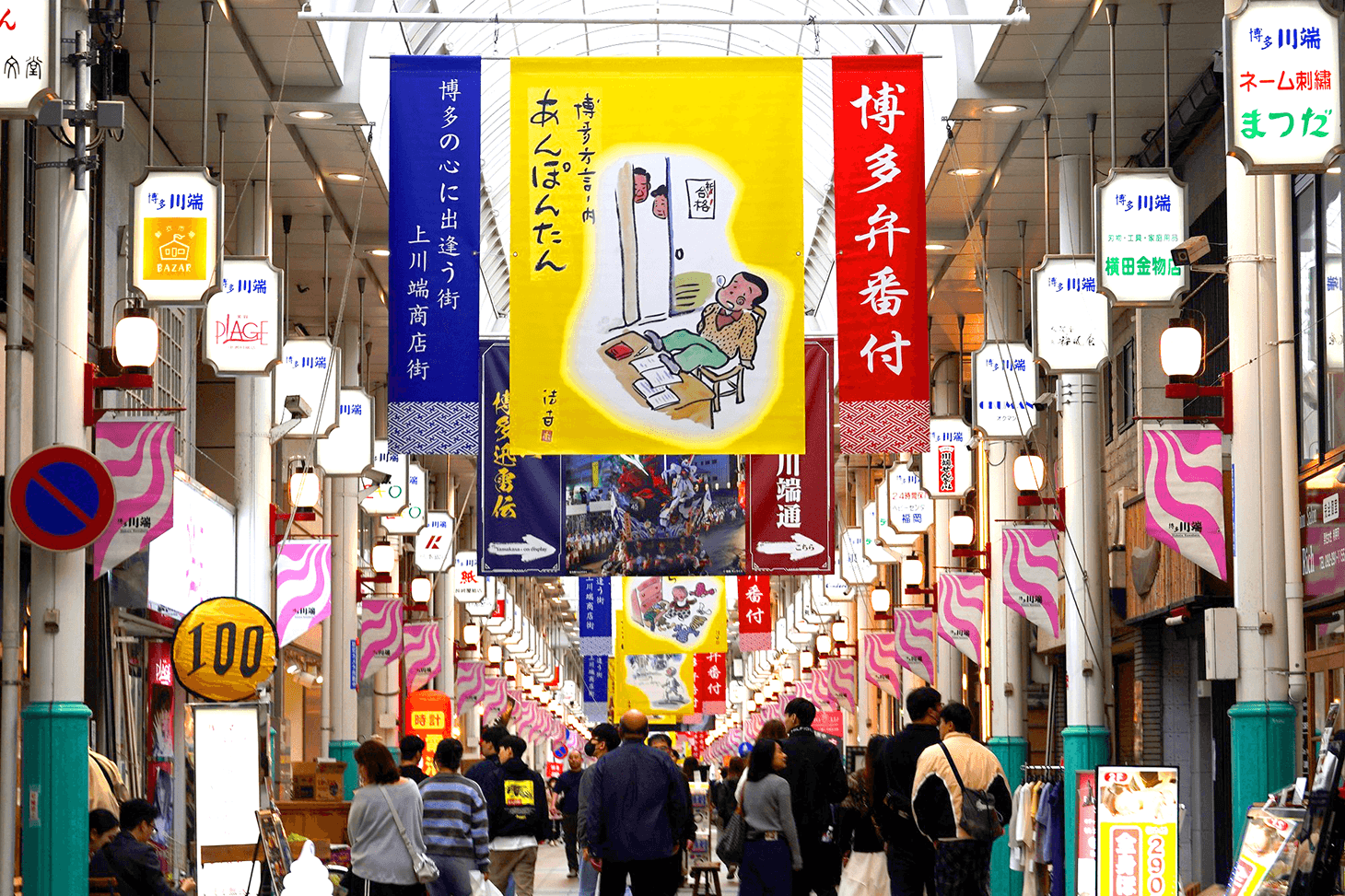
Hakata is the central city of Fukuoka Prefecture and a culinary capital famous for Hakata ramen, motsunabe (offal hot pot), mizutaki (chicken hot pot), and street food. It also boasts numerous tourist attractions such as the Hakata Gion Yamakasa festival, Dazaifu Tenmangu Shrine, and Uminonakamichi Seaside Park. It can be reached from Shinagawa in as little as 4 hours and 45 minutes.
 Table of Contents
Shinkansen Fare from Shinagawa to Hakata
Overview of Shinkansen Fares from Shinagawa to Hakata
The Shinkansen fare from Shinagawa Station to Hakata Station varies depending on the seat class and train type you choose. The "Nozomi" train is available on the Tokaido and Sanyo Shinkansen lines. The fares are approximate, and during peak seasons (the period from the end of December to the beginning of January, Golden Week, and Obon), a peak season surcharge may be added to reserved seats and Green Car seats, which require advance reservations.
Comparison of Fares for Unreserved Seats, Reserved Seats, and Green Cars
| Seat | Fare (Estimate) | Features |
|---|---|---|
| Unreserved Seats (No Reservation Required) | 22,220 yen | No seat number is assigned; you can board if there are empty seats. |
| Reserved Seats (Standard Class) (Advance Reservation Required) | 23,810 yen | Your seat number is assigned, guaranteeing you a seat. |
| Green Car | 31,070 yen | Spacious seating and high-quality service, perfect for those who want to travel comfortably. |
Features and Advantages of Unreserved Seating
Unreserved seats, which do not require reservations, are the cheapest seating option. However, they can fill up during peak season and busy times, so it's recommended to get to the platform early and queue up.
Features and Usage Scenarios of Reserved Seats
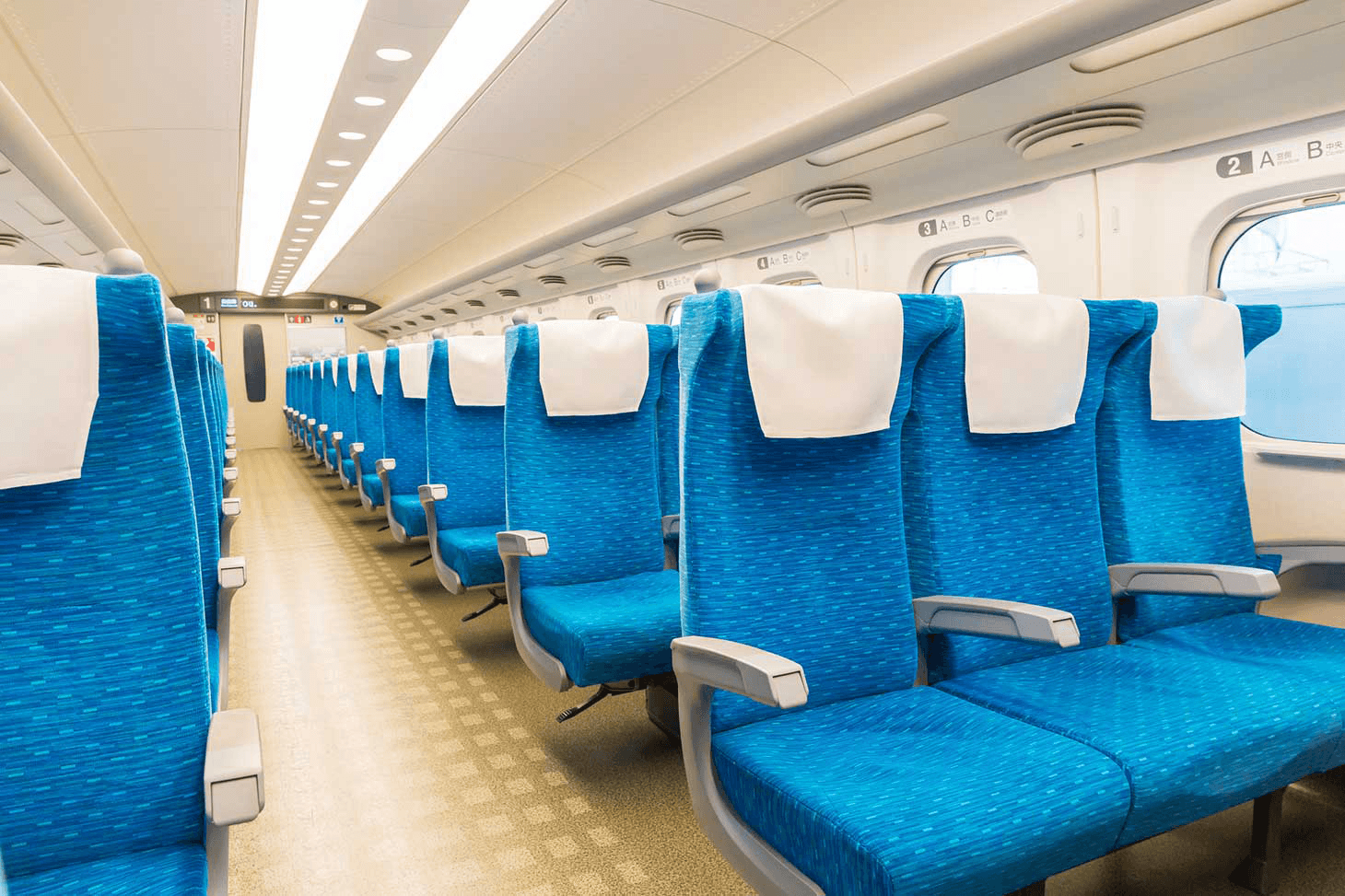
Reserved seats, which require advance booking, allow you to secure your seat number before boarding, so you can travel without worrying about crowds. Early bird discounts and other discounted fares may also be available when booking online in advance using EX Reservation or SmartEX.
Features and Comfort of Green Cars
Green Cars are a premium class offering more spacious seats and enhanced amenities compared to standard cars. They are recommended for those who want a more comfortable journey between Shinagawa and Hakata, as well as for business travelers and special trips.
Travel Time from Shinagawa to Hakata
Shortest Shinkansen Travel Time between Shinagawa and Hakata
The estimated travel time from Shinagawa Station to Hakata Station using the "Nozomi" is approximately 4 hours and 45 to 56 minutes. The total travel time varies depending on the type of train and the number of stops, so please choose the train that best suits your travel plans.
Average Travel Time and Difference Between Trains
If you use the "Nozomi" train, the journey from Shinagawa to Hakata takes approximately 4 hours and 45 to 56 minutes. It is a direct service that stops at Shinagawa, Shin-Yokohama, Nagoya, Kyoto, Shin-Osaka, and Hiroshima. Since Shinagawa Station is the next stop after Tokyo Station, you can arrive in Hakata about 5 to 7 minutes earlier than if you departed from Tokyo Station. If you have a JR Pass, you cannot use the "Nozomi" train and will need to transfer along the way.
The Speed and Features of the Tokaido Shinkansen
Japan's Shinkansen bullet trains boast world-class safety and punctuality, and are used by many tourists visiting Japan. They are also appreciated for their minimal delays due to weather, making it easy to plan travel schedules.
Comparison of Travel Time with Air Travel
When traveling between Shinagawa and Hakata by plane, in addition to the flight time, you need to factor in the time required for airport access, check-in, security checks, boarding procedures, and travel from the arrival airport to Hakata city. Since the Shinkansen (bullet train) connects major stations, the Shinkansen is often more advantageous when considering the total travel time.
Time Comparison with Cars and Conventional Trains
Traveling by car is prone to traffic congestion on expressways, and especially during peak seasons and long holidays, travel time from departure to arrival can be significantly extended. Taking a conventional JR line takes several times longer than taking the Shinkansen. In terms of comfort and punctuality, the Shinkansen is one of the best modes of transport between Shinagawa and Hakata.
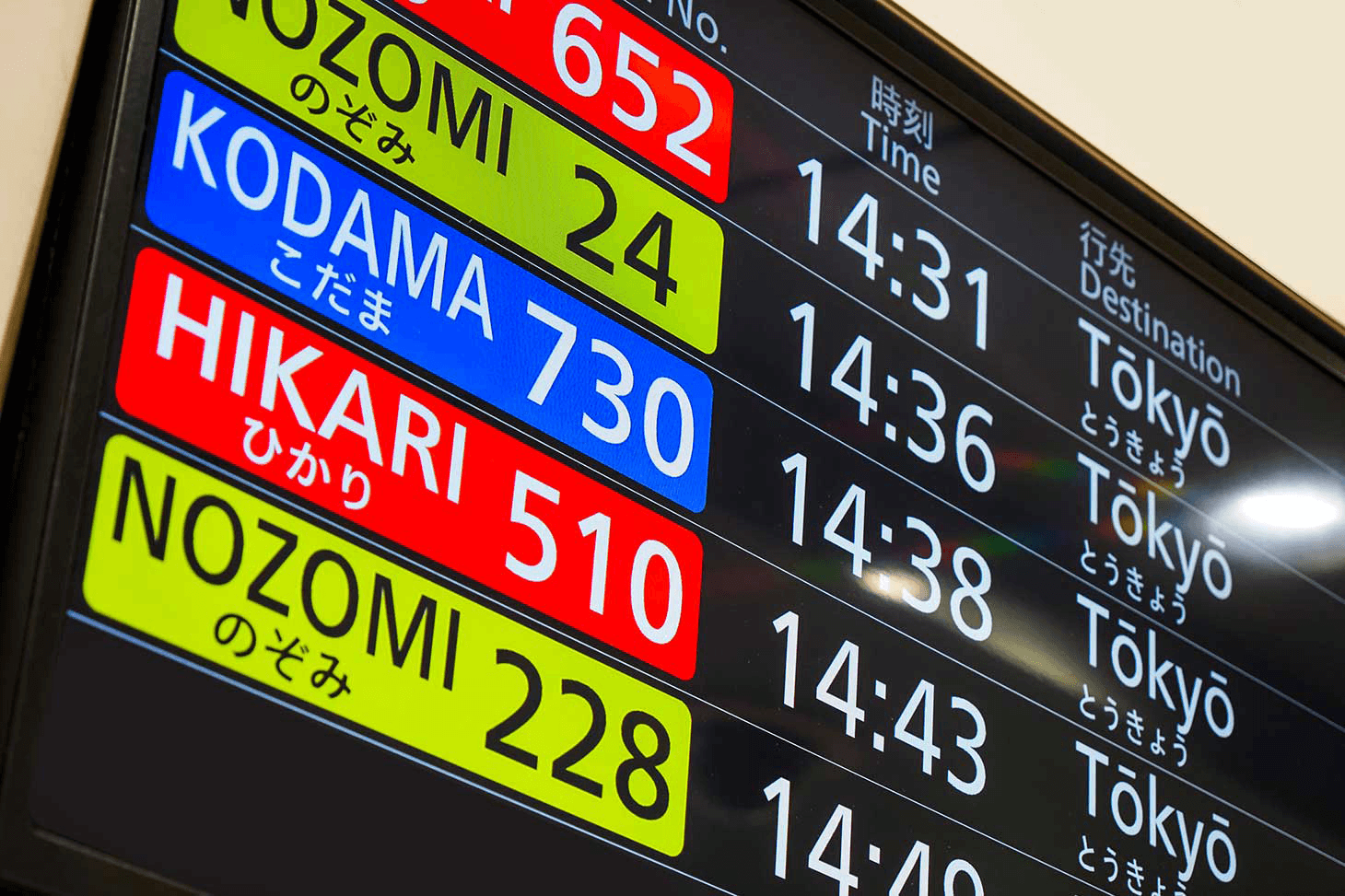
Which train is the fastest?
The Difference Between "Nozomi," "Hikari," and "Kodama"
Between Shinagawa and Hakata, you can use the "Nozomi" train. Only the "Nozomi" operates directly between Shinagawa and Hakata. You cannot ride the "Nozomi" with just a JR Pass, but you can use it by purchasing an additional "Japan Rail Pass Exclusive Nozomi/Mizuho Ticket". If you do not purchase the ticket, you will need to take the "Hikari" train and transfer at Shin-Osaka or another station. Because a transfer is required, the travel time will be significantly longer.
Stations and Features of Each Train
The fastest train, "Nozomi," makes the fewest stops and has the shortest travel time from departure to arrival. Reserved seats, which require advance booking, tend to sell out quickly during peak season and on weekends, so advance booking is recommended.
Comparison of Travel Time
Only the "Nozomi" bullet train operates directly between Shinagawa and Hakata, connecting Shinagawa, Shin-Yokohama, Nagoya, Kyoto, Shin-Osaka, Hiroshima, and Hakata. The estimated travel time from departure to arrival is approximately 4 hours and 45 to 56 minutes. Since Shinagawa Station is the next stop after Tokyo Station, it arrives in Hakata about 5 to 7 minutes earlier than departing from Tokyo Station. JR Pass holders cannot ride the "Nozomi" with the JR Pass alone, but can use it by purchasing an additional "Japan Rail Pass Exclusive Nozomi/Mizuho Ticket".
Recommended Trains Between Shinagawa and Hakata
If your top priority is the shortest travel time from departure to arrival, the "Nozomi" train is recommended. However, if you have a JR Pass, there may be some trains that are not compatible, so please refer to the JR Pass section below and choose a train that suits your needs.
Points to Consider When Choosing a Train
When choosing a train between Shinagawa and Hakata, first check which trains arrive at Hakata Station at your desired departure time. Securing your seat in advance using SmartEX or EX Reservation will make your journey smoother.
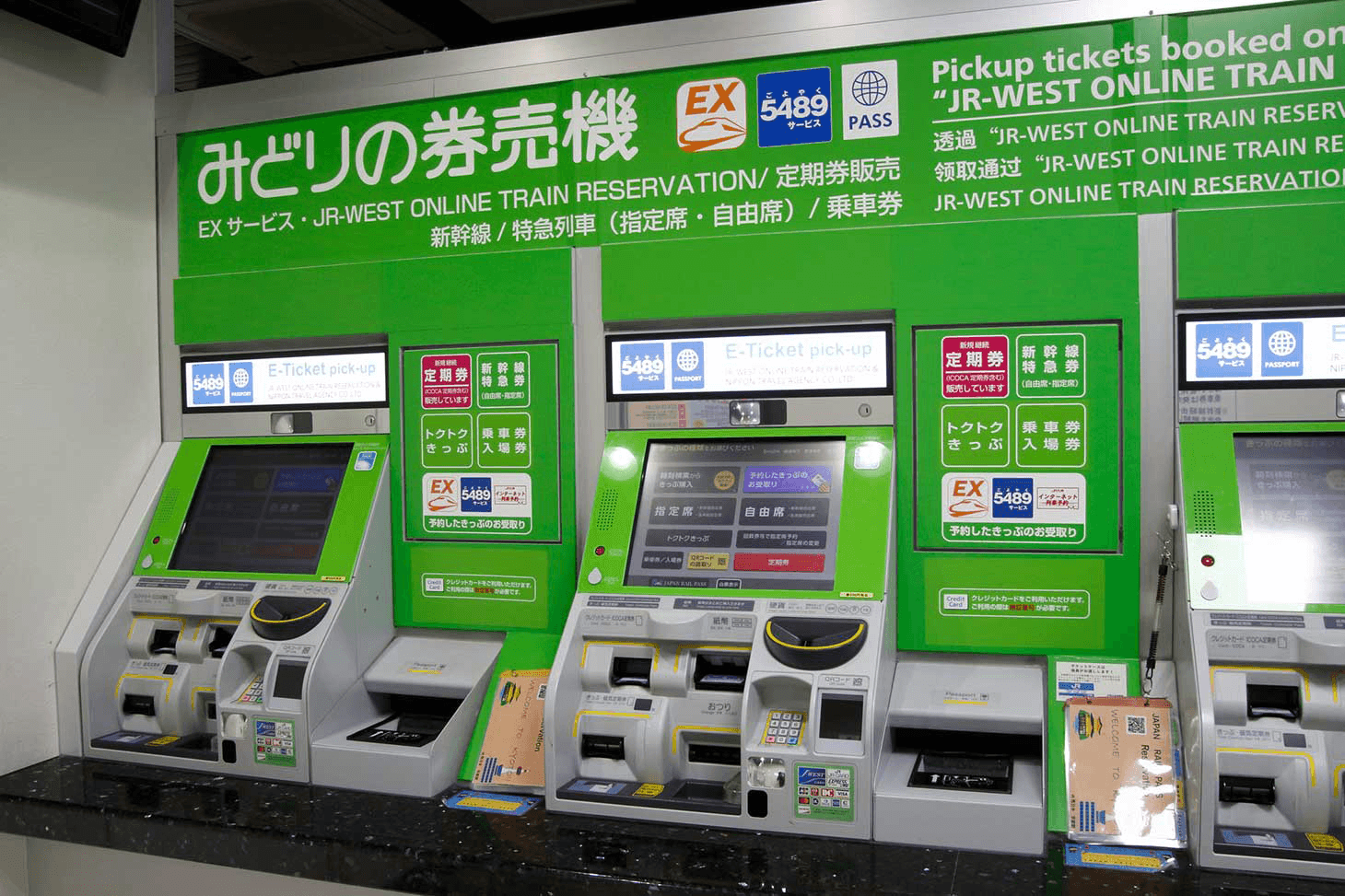
How to Book Shinkansen Tickets
Basic Methods for Purchasing Shinkansen Tickets
Shinkansen tickets between Shinagawa and Hakata can be purchased in three ways: at the station's ticket office (Midori-no-madoguchi), at ticket vending machines, or online. During peak season, reserved seats, which require advance booking, tend to sell out quickly, so it is recommended to book as soon as your travel dates are decided.


How to Purchase at the Station Ticket Office
Shinkansen tickets can be purchased at the ticket offices (Midori-no-madoguchi) (manned counters) at JR stations. English-speaking counters are also available, so even those who are not confident in their Japanese can use the service with peace of mind.
How to Use a Ticket Vending Machine
You can also purchase Shinkansen tickets at the "reserved seat ticket vending machines" installed at train stations. An increasing number of these machines support multiple languages, including English, Chinese, and Korean, and you can also purchase tickets using a credit card.
Online Booking (SmartEX and EX Reservation)
For online reservations, "SmartEX" and "EX Reservation," offered by JR Central, JR West, and others, are convenient. SmartEX allows you to pass through ticket gates using your smartphone or transportation IC card (such as Suica) without needing to purchase a physical ticket.
Points to Note When Making a Reservation
During peak season (the period from the end of December to the beginning of January, Golden Week, and Obon), reserved seats that require advance booking tend to sell out quickly, so we recommend booking as soon as your travel plans are finalized.
Can the JR Pass be Used Between Shinagawa and Hakata?
Overview of JR Pass
The JR Pass is a special ticket for travelers who do not reside in Japan, allowing unlimited travel on JR lines without additional charges. It comes in 7-day, 14-day, and 21-day versions, and during its validity period, you can ride JR Shinkansen, limited express trains, and JR conventional lines without any additional charges.
Availability Between Shinagawa and Hakata
| Train | JR Pass Usage | Remarks |
|---|---|---|
| "Nozomi" | Available with additional ticket purchase | You can ride by purchasing an additional "Japan Rail Pass Exclusive Nozomi/Mizuho Ticket". |
| Transfer via "Hikari" | Available | A transfer at Shin-Osaka or other stations is required. The total travel time from departure to arrival will be significantly longer. |
Restrictions on the Use of "Nozomi"
Only the "Nozomi" train operates directly between Shinagawa and Hakata. While the "Nozomi" cannot be ridden with a JR Pass alone, it can be used by purchasing an additional "Japan Rail Pass Exclusive Nozomi/Mizuho Ticket." Without purchasing this ticket, you will need to take a "Hikari" train and transfer at Shin-Osaka or another station. This transfer will significantly increase the travel time.
Conditions for Using "Hikari" and "Kodama"
With a JR Pass, you can board trains with unreserved seats that do not require reservations. If you wish to use a reserved seat that requires advance reservation, you must reserve your seat at the station's ticket office (Midori-no-madoguchi) or a reserved seat ticket vending machine before boarding. There is no additional charge for seat reservations.
Points to Note When Using JR Pass
Since the JR Pass is valid for consecutive days from the start date, it's important to carefully set the start date to match your travel schedule. If your travel plans involve visiting multiple cities, not just Shinagawa to Hakata, you'll often get your money's worth out of the JR Pass.
Shinagawa to Hakata Shinkansen Timetable
Shinagawa to Hakata Shinkansen Service Frequency
The Shinkansen between Shinagawa and Hakata is operated by the "Nozomi" train. It runs frequently even during the daytime, so please check the latest timetable on transportation information services such as Ekitan.
Guideline for the First and Last Trains
The first trains departing from Shinagawa Station leave early in the morning, and the last trains depart around 10 PM to midnight.
How to Read a Timetable
You can check the Shinkansen timetable between Shinagawa and Hakata on the JR official website or on transportation information services such as Ekitan.
Shinagawa Station to Hakata Station (Excerpt, Approximate Times)
| Departure | Train | Arrival (Hakata) | Travel Time from Departure to Arrival |
|---|---|---|---|
| 06:00 | "Nozomi" 99 | 10:46 | Approximately 4 hours 46 minutes |
| 06:07 | "Nozomi" 1 | 10:52 | Approximately 4 hours 45 minutes |
| 06:22 | "Nozomi" 3 | 11:09 | Approximately 4 hours 47 minutes |
| 08:19 | "Nozomi" 15 | 13:09 | Approximately 4 hours 50 minutes |
| 12:19 | "Nozomi" 31 | 17:09 | Approximately 4 hours 50 minutes |
| 18:19 | "Nozomi" 57 | 23:09 | Approximately 4 hours 50 minutes |
| 18:59 | "Nozomi" 59 | 23:51 | Approximately 4 hours 52 minutes |
*Actual times and train numbers may change due to seasonal changes or revisions to the operating schedule. Please check the latest information on Ekitan or other sources.
Peak Hours and Points to Note
The Shinagawa to Hakata route is particularly crowded during peak seasons (the period from the end of December to the beginning of January, Golden Week, and Obon) and on weekends. If you reserve a reserved seat online in advance, you can travel comfortably without worrying about the crowds on the day of travel.
Summary: Shinkansen from Shinagawa to Hakata
For travel from Shinagawa to Hakata, the Tokaido and Sanyo Shinkansen lines are convenient. The fare is approximately 22,220 yen for unreserved seats (no reservation required), 23,810 yen for reserved seats (reservation required), and 31,070 yen for Green Car seats. The travel time from departure to arrival using the "Nozomi" is approximately 4 hours and 45 to 56 minutes. Only the "Nozomi" operates directly between Shinagawa and Hakata. The "Nozomi" cannot be used with a JR Pass alone, but it can be used by purchasing an additional "Japan Rail Pass Exclusive Nozomi/Mizuho Ticket". If you do not purchase this ticket, you will need to use the "Hikari" and transfer at Shin-Osaka or elsewhere. Due to the transfer, the travel time will be significantly longer. Tickets can be purchased at station ticket offices (Midori-no-madoguchi), reserved seat ticket machines, or online (SmartEX, EX Reservation, etc.). Choose the train that best suits your travel plans and enjoy a comfortable Shinkansen ride between Shinagawa and Hakata.

The information on this website is based on content available at the time of publication. We do not guarantee its accuracy or timeliness. The content may include advertisements or promotions, and we are not responsible for any external websites linked from this site.