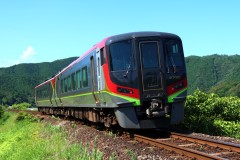
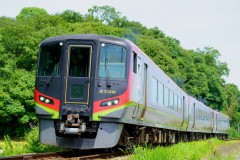
Timetable, Fares, and Ticket Purchasing Information for the "Revaty Kinu"
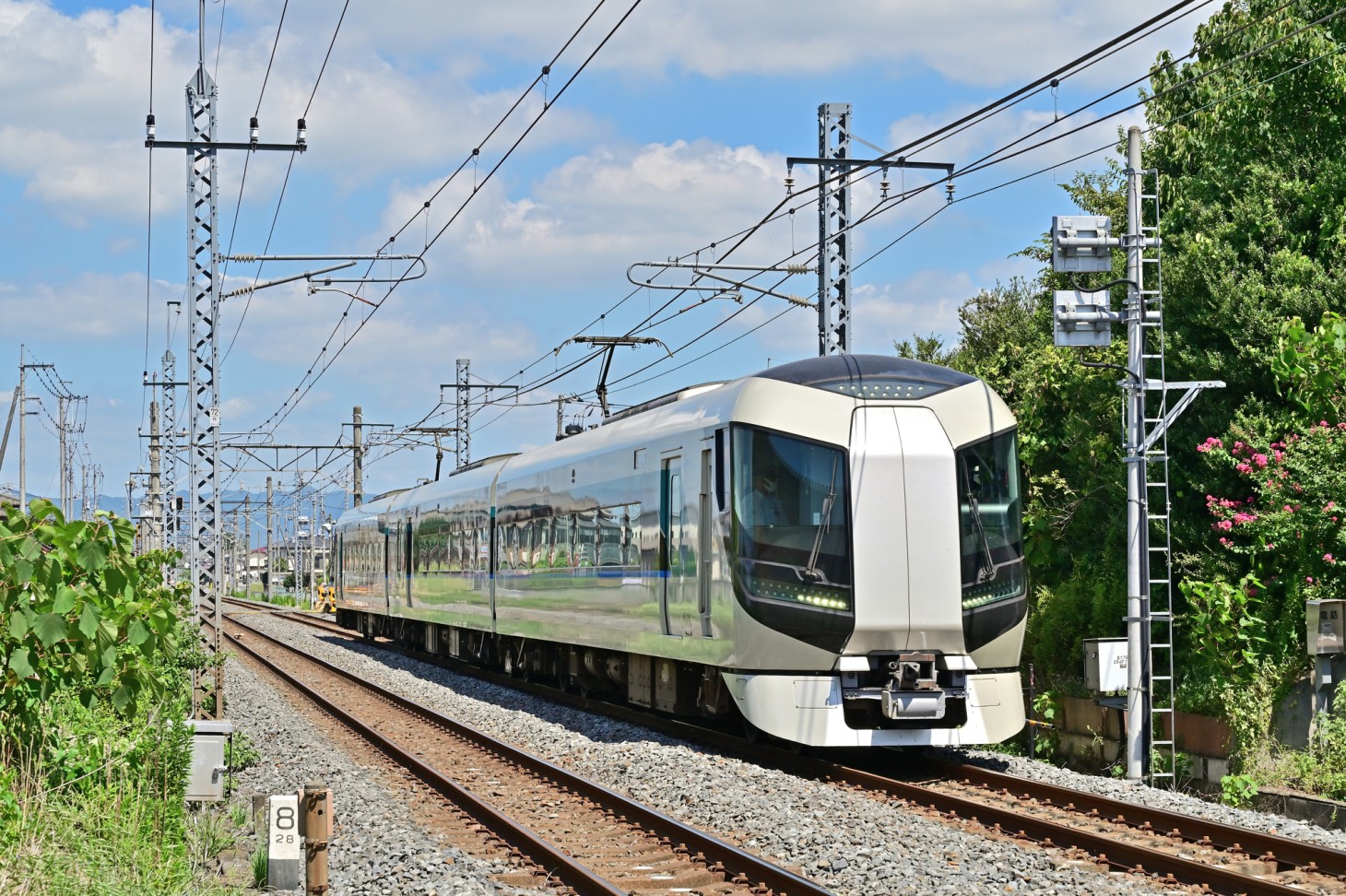
This article provides a comprehensive overview of Tobu Railway's "Revaty Kinu", which connects Asakusa Station and Kinugawa Onsen Station. It covers timetables, fares for representative sections, stations served, seating information, ticket purchasing procedures, ticket issuance requirements, and IC card compatibility. This limited express train, operated with the 500 series "Revaty" rolling stock and featuring split and coupled operation, highlights key points to consider before your trip.
*The information in this article is current as of July 2026. Operating days, timetables, fares, sales conditions, and purchase methods may change. Please check the latest information on Ekitan or the railway company's official website before use.
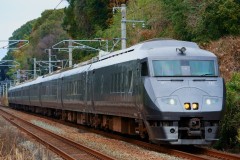
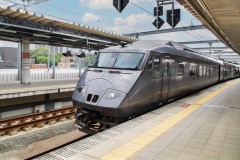
The "Revaty Kinu" is a limited express train operated by Tobu Railway, connecting Asakusa Station and Kinugawa Onsen Station. It is operated using the 500 series "Revaty" train (3-car formation), which debuted in April 2017. A distinctive feature of the 3-car formation is that it is split and coupled with the "Revaty Aizu" (bound for Aizu-Tajima) at Shimo-Imaichi Station. All seats are reserved, so advance seat reservations are required to board. The 500 series "Revaty" is positioned as a successor to the Tobu 100 series "Spacia", but was introduced as a vehicle that can be used in a more versatile manner. Item Details Train Name "Revaty Kinu" Operating Company Tobu Railway Main Operating Sections Asakusa Station to Kinugawa Onsen Station Main Starting/Ending Stations Asakusa Station / Kinugawa Onsen Station Number of Services Several trains per day ("Kinu" - schedule is shared with "SPACIA X") Estimated Travel Time Asakusa to Kinugawa Onsen: Approximately 2 hours Seating All seats are reserved. 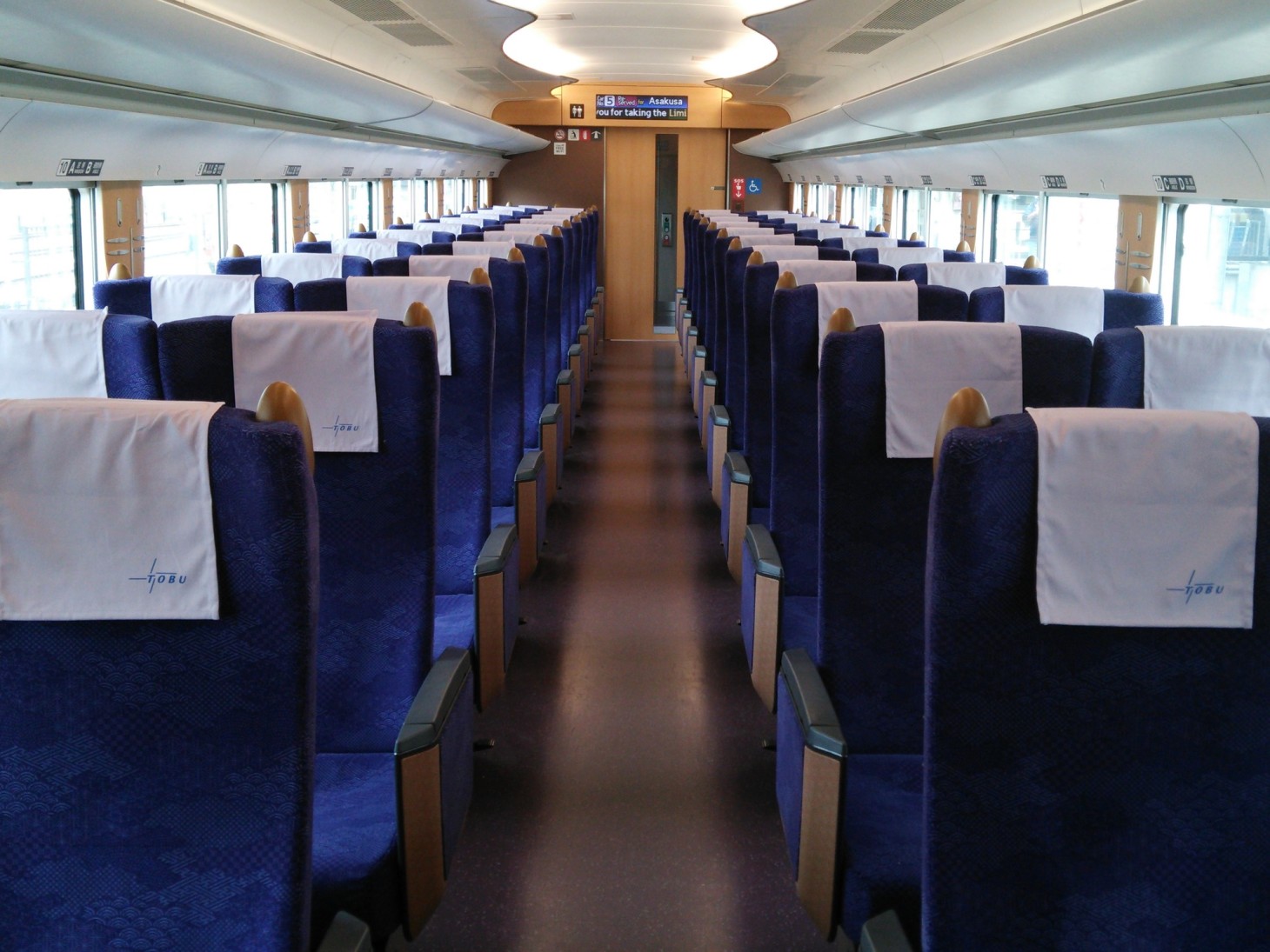
 Table of Contents
- What is the "Revaty Kinu"?
- Timetable for the "Revaty Kinu"
- Operating Sections of the "Revaty Kinu"
- Stations Served by the "Revaty Kinu"
- Fares for the "Revaty Kinu"
- How to Buy Tickets for the "Revaty Kinu"
- Do I need to get a physical ticket?
- Can I use contactless payment with an IC card or credit card?
- Seating Information for the "Revaty Kinu"
- Bento Boxes and In-Train Gourmet Food to Enjoy on the "Revaty Kinu"
- Points to Note When Riding the "Revaty Kinu"
- Summary
What is the "Revaty Kinu"?
The "Revaty Kinu" is a limited express train operated by Tobu Railway's 500 series "Revaty" train, which debuted on April 21, 2017. Taking advantage of its structure that allows two or three 3-car trains to be coupled together, it operates by splitting and coupling with trains such as the "Revaty Aizu" (a line that heads towards Aizu-Tajima via the Aizu Railway and Yagan Railway) at Shimo-Imaichi Station. The train's name is derived from the Kinugawa River that flows through the Kinugawa Onsen area. The nickname "Revaty" embodies the meaning of a flexible transportation system that can be freely split and coupled.
Train Features and Popular Points
The appeal of the "Revaty Kinu" lies in its direct access from Asakusa to Kinugawa Onsen without transfers, its compact three-car formation, and its flexible timetable that allows for splitting and combining operations according to demand. All seats are equipped with power outlets, and the seats are rotating reclining seats that can be converted into a group-facing configuration. As it is a newer train than the 100 series "Spacia", it offers a more comfortable experience in terms of facilities. Although the seat pitch is slightly narrower than the 100 series "Spacia", it is highly regarded for its comfortable travel experience with state-of-the-art facilities.
Timetable for the "Revaty Kinu"
*The "Revaty Kinu" is part of the Kinugawa Line timetable, along with the "Kinu" and "SPACIA X" trains.
Downbound (towards Kinugawa Onsen) Timetable
| Stations Served | "Revaty Kinu" Train (Example) |
|---|---|
| Asakusa Dep. | Morning |
| Tokyo Skytree Dep. | ― |
| Kita-Senju Dep. | ― |
| Kasukabe Dep. | ― |
| Shimo-Imaichi Arr. | ― |
| Kinugawa Onsen Arr. | Approximately 2 hours later |
Northbound (towards Asakusa) Timetable
| Stations Served | "Revaty Kinu" Train (Example) |
|---|---|
| Kinugawa Onsen Dep. | Afternoon |
| Shimo-Imaichi Dep. | ― |
| Kasukabe Dep. | ― |
| Kita-Senju Dep. | ― |
| Asakusa Arr. | Approximately 2 hours later |
*This is a representative example.
The "Revaty Kinu" operates on a timetable that runs between Asakusa and Kinugawa Onsen, together with the "Kinu" and "SPACIA X" trains. At Shimo-Imaichi Station, some trains are split and coupled with the "Revaty Aizu" bound for Aizu-Tajima, so be careful not to board the wrong train.
Important Information Regarding Operating Days and Days When the Service is Suspended
The "Revaty Kinu" operates daily throughout the year. Some trains are split and coupled, so there may be variations in stopping times at Shimo-Imaichi Station due to maintenance work. It's a good idea to check the operating status beforehand. During peak seasons such as weekends and holidays, additional "Revaty Kinu" trains may be added.
Operating Sections of the "Revaty Kinu"
Main Sections
- Asakusa Station ~ Shimo-Imaichi Station ~ Kinugawa Onsen Station
Kinugawa Onsen Station is the gateway to Kinugawa Onsen, and there is a free footbath in the station square. Shimo-Imaichi Station is the gateway to the "SL Taiju" and is also a junction station for lines heading towards Aizu.

Stations Served by the "Revaty Kinu"
Main Stops
- Asakusa Station
- Tokyo Skytree Station
- Kita-Senju Station
- Kasukabe Station
- Shimo-Imaichi Station
- Tobu World Square Station (some trains)
- Kinugawa Onsen Station
*The stopping stations vary depending on the train.
Fares for the "Revaty Kinu"
Representative Section Fares
| Section | Total Fare (Adult) | Basic Fare | Limited Express Surcharge |
|---|---|---|---|
| Asakusa Station to Kinugawa Onsen Station | 3,530 yen | 1,590 yen | 1,940 yen |
*The fare system is the same as for "Kinu" (100 series "Spacia").
Breakdown of Basic Fare and Limited Express Surcharge
The fare for the "Revaty Kinu" is the sum of the basic fare to your destination and the limited express surcharge. For the same route, there is no difference in fare between the "Revaty Kinu" and the "Kinu" (100 series "Spacia"), and the same limited express surcharge system applies to both. All seats are reserved, so there is no unreserved seat fare. Children's fares and limited express surcharges are half the adult fare (rounded up to the nearest 10 yen).
Limited Express Surcharge for Sections with Splitting/Coupling Operations
If you are transferring from Shimo-Imaichi Station towards Aizu (towards the "Revaty Aizu"), a different limited express fare system applies to that section than the "Revaty Kinu." Therefore, if you are traveling the entire distance, please check the section when purchasing your ticket.
How to Buy Tickets for the "Revaty Kinu"
Tobu Limited Express Ticket Internet Purchase and Reservation Service
Tobu Railway's "Tobu Limited Express Ticket Internet Purchase and Reservation Service" allows you to purchase ticketless limited express tickets without registering as a member. Limited express tickets go on sale one month before the date of travel. Membership registration is free, and you can check seat availability and make reservations 24 hours a day from your smartphone.

Ticket Offices and Vending Machines at Each Station on the Tobu Line
You can purchase limited express tickets at ticket offices and vending machines at any Tobu Line station. However, if you purchase a limited express ticket on board the train or on the platform just before boarding, a flat surcharge of 200 yen will be added to the limited express surcharge for both adults and children.
Travel Agencies
Major travel agencies, including Tobu Top Tours, also offer tour packages that include limited express tickets for the "Revaty Kinu".
How to Purchase for Foreign Tourists
The "Revaty Kinu" is operated by Tobu Railway (a private railway company), so the JAPAN RAIL PASS cannot be used. Tobu Railway offers special tickets such as the "NIKKO PASS" for international tourists, but even when using these passes, a separate limited express ticket is required to ride the "Revaty Kinu".
Do I need to get a physical ticket?
If you purchase your ticket through the "Tobu Limited Express Ticket Internet Purchase and Reservation Service," you can board the train simply by showing your smartphone screen as it is a ticketless service. If you purchase your ticket at a station ticket office or vending machine, you will need to receive a paper limited express ticket before boarding.
Can I use contactless payment with an IC card or credit card?
When riding the "Revaty Kinu", you will need separate tickets for the basic fare and the limited express surcharge. IC cards such as Suica and PASMO can be used as the basic fare portion on Tobu lines. However, the limited express surcharge cannot be paid using the balance on your IC card; you must purchase a separate limited express ticket in advance.
While some Tobu Railway lines and stations have introduced contactless credit card payment services, the availability of this service across the entire route of the "Revaty Kinu" varies from station to station.
Seating Information for the "Revaty Kinu"
Seat Types (All seats are reserved)
The "Revaty Kinu" is operated using the 500 series "Revaty" train, and all seats are reserved. There are no unreserved seats. Seat Type Details Standard Reserved Seat 2+2 seating arrangement, rotating reclining seats, power outlets at every seat. Unreserved Seats None (All seats are reserved)
Distinctive Seating
The 500 series "Revaty" is a relatively new train that debuted in 2017. It features power outlets at every seat and rotating reclining seats that can be converted into a group-facing configuration. Due to its structure, which involves operating in three-car formations, it is also characterized by frequent splitting and coupling. The train's body uses the corporate colors of the Tobu Group, giving it a sharp and sophisticated design that differs from the "Spacia".
Large Luggage Storage Area
There is space provided within the train for storing large luggage.
Barrier-Free Facilities
Wheelchair-accessible seating is available. If you will be using a wheelchair, we recommend contacting the Tobu Railway Customer Center in advance.
Bento Boxes and In-Train Gourmet Food to Enjoy on the "Revaty Kinu"
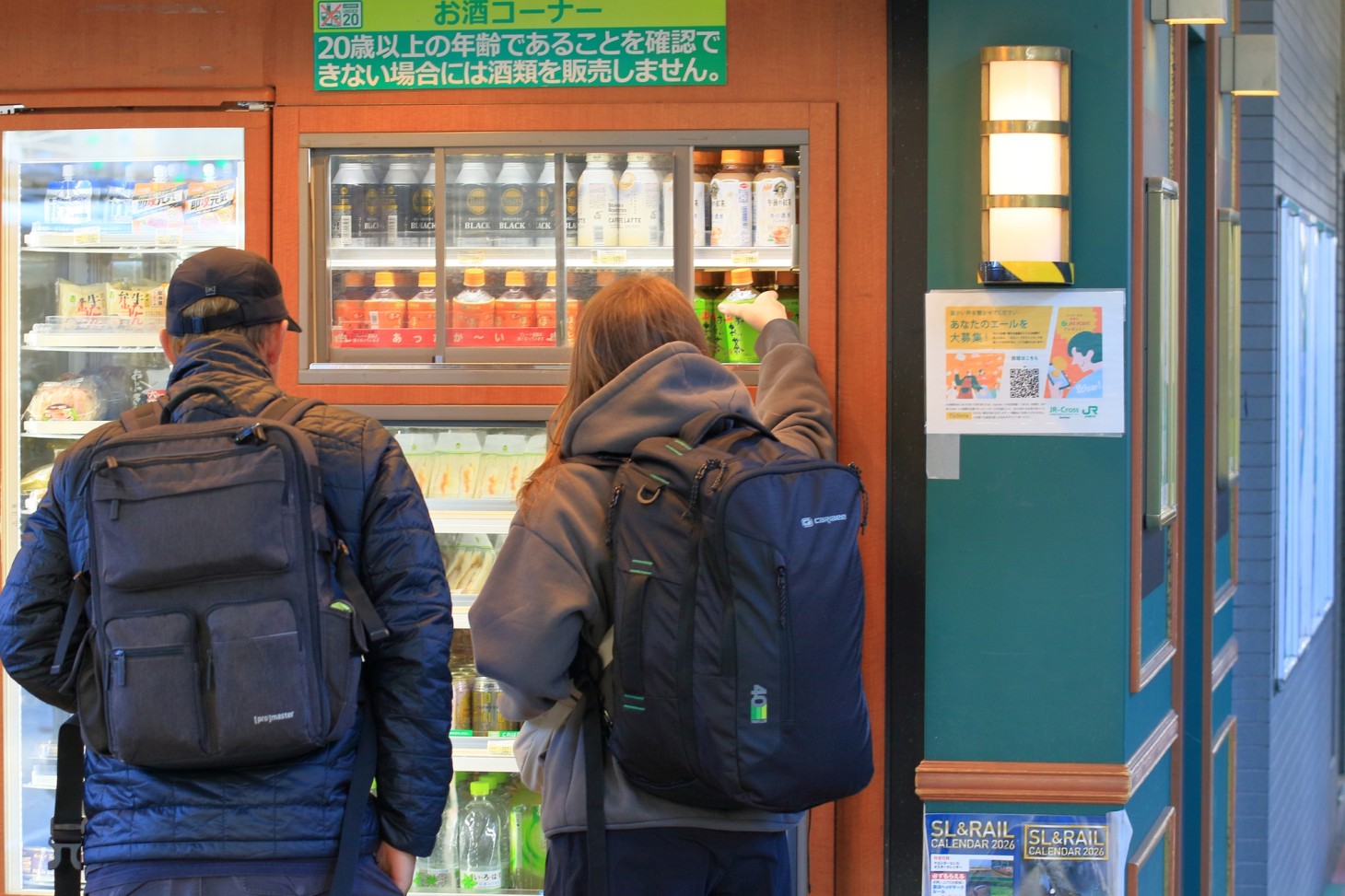
While the "Spacia Kinugawa" previously offered a buffet and in-car sales service, it may have been reduced or discontinued by now. If you wish to enjoy a meal, it is recommended to purchase it in advance from bento box shops or stalls around Shinjuku Station or Omiya Station.
Points to Note When Riding the "Revaty Kinu"
Since all seats on the "Revaty Kinu" are reserved, it is recommended to make a reservation early if you have decided on your travel date. Some trains are split and coupled with trains bound for Aizu at Shimo-Imaichi Station, so please check your seat number to avoid boarding the wrong car. Also, if you are transferring to the "SL Taiju" at Shimo-Imaichi Station, it is recommended to plan your transfer time to be ample.
Purchasing limited express tickets on board will cost 200 yen more than purchasing them in advance, so we recommend purchasing them online or at a station ticket office before boarding.
Summary
The "Revaty Kinu" is a limited express train operated by Tobu Railway, connecting Asakusa Station and Kinugawa Onsen Station, and uses the 500 series "Revaty" train. All seats are reserved, so both a basic fare ticket and a limited express surcharge are required, and the fare is the same as for the "Kinu" (100 series "Spacia"). It is characterized by its flexible splitting and coupling operation of three-car trains, and it also connects to the Aizu line at Shimo-Imaichi Station. The JAPAN RAIL PASS cannot be used. Since its launch in 2017, it has been one of the main trains supporting transportation on the Kinugawa Line, along with the "Kinu" and the "SPACIA X".
Enjoy the "Revaty Kinu", which provides direct access from Asakusa to Kinugawa Onsen without any transfers.

The information on this website is based on content available at the time of publication. We do not guarantee its accuracy or timeliness. The content may include advertisements or promotions, and we are not responsible for any external websites linked from this site.