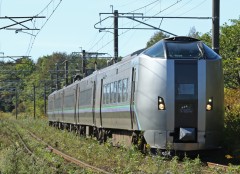
"OYKOT" timetable, fares, and how to buy tickets
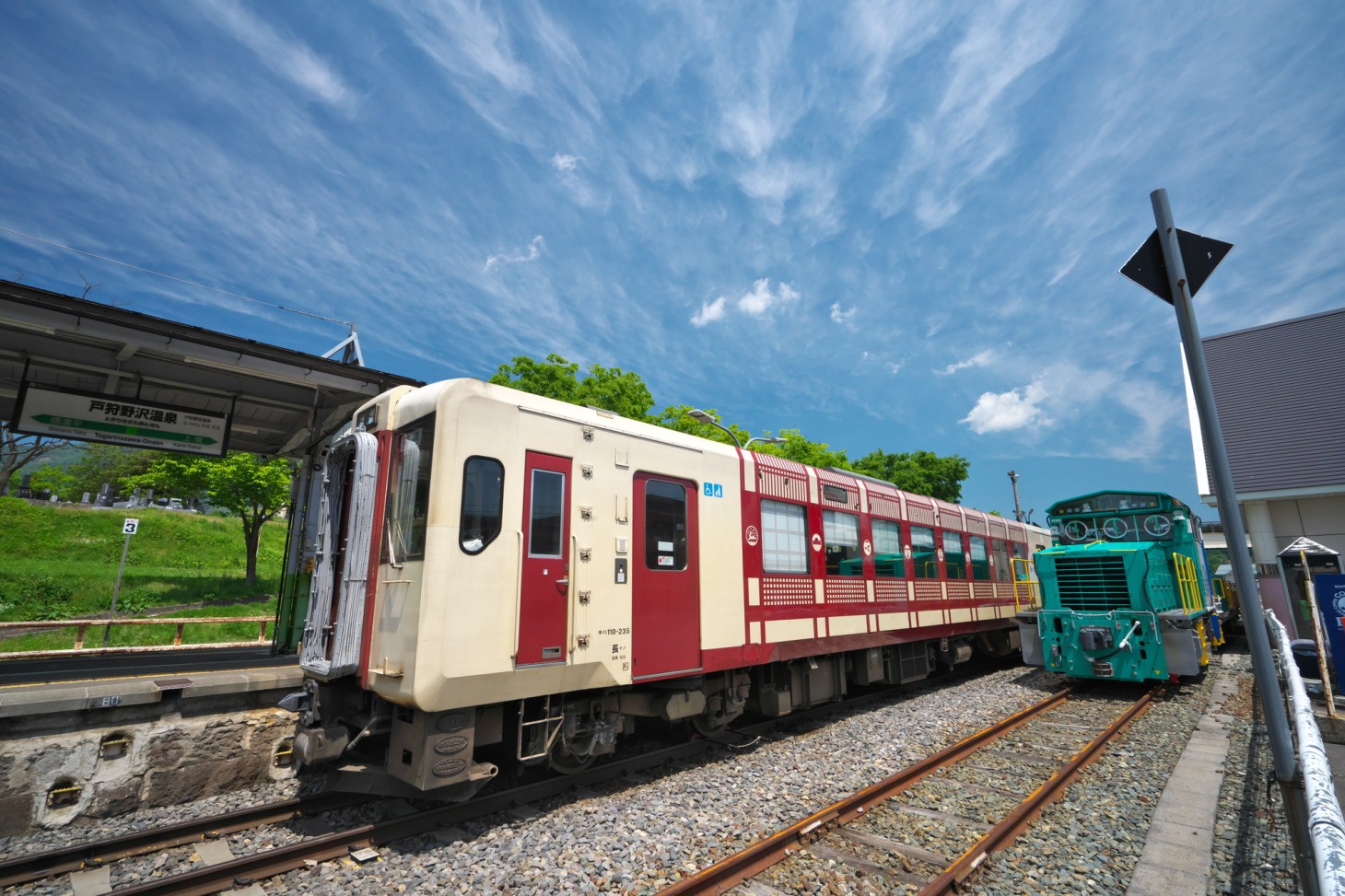
This article provides a comprehensive overview of JR East's sightseeing train "OYKOT," which connects Nagano Station and Tokamachi Station. It includes timetables, fares for representative sections, stations where it stops, seating information, ticket purchasing procedures, ticket issuance requirements, and IC card compatibility. As it serves as an access train to the satoyama and rural villages along the Iiyama Line, this article summarizes key points to check before your trip.
The information in this article is current as of July 2026. Operating days, timetables, fares, and ticket sales conditions may change, so please check the latest information on Ekitan or the railway company's official website before using the service.
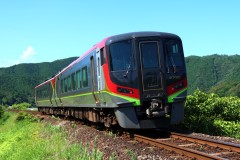
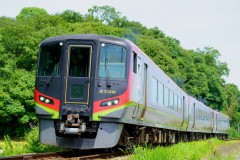
"OYKOT" is a JR East sightseeing train that connects Nagano Station and Tokamachi Station via the Iiyama Line. The name "OYKOT" comes from reading "TOKYO" backwards. The train's concept is based on the rural landscape reminiscent of Japan's original scenery, a stark contrast to the hustle and bustle of the city. The interior is decorated in a calm style reminiscent of an old folk house. All seats are reserved, so advance seat reservations are required. As this train operates only on limited days, you need to check the operating dates if you plan to ride it. There are other trains with similar names and destinations, so it's a good idea to check the train name and destination on the departure information display before boarding. Item Content Train Name "OYKOT" Operating Company JR East Main Operating Sections Nagano Station to Tokamachi Station Main Starting and Ending Stations Nagano Station / Tokamachi Station Number of Trains Operating Limited operating days (mainly Saturdays, Sundays, and holidays) Estimated Travel Time Nagano to Tokamachi: Approximately 2 hours 30 minutes Seat All Seats are Reserved. 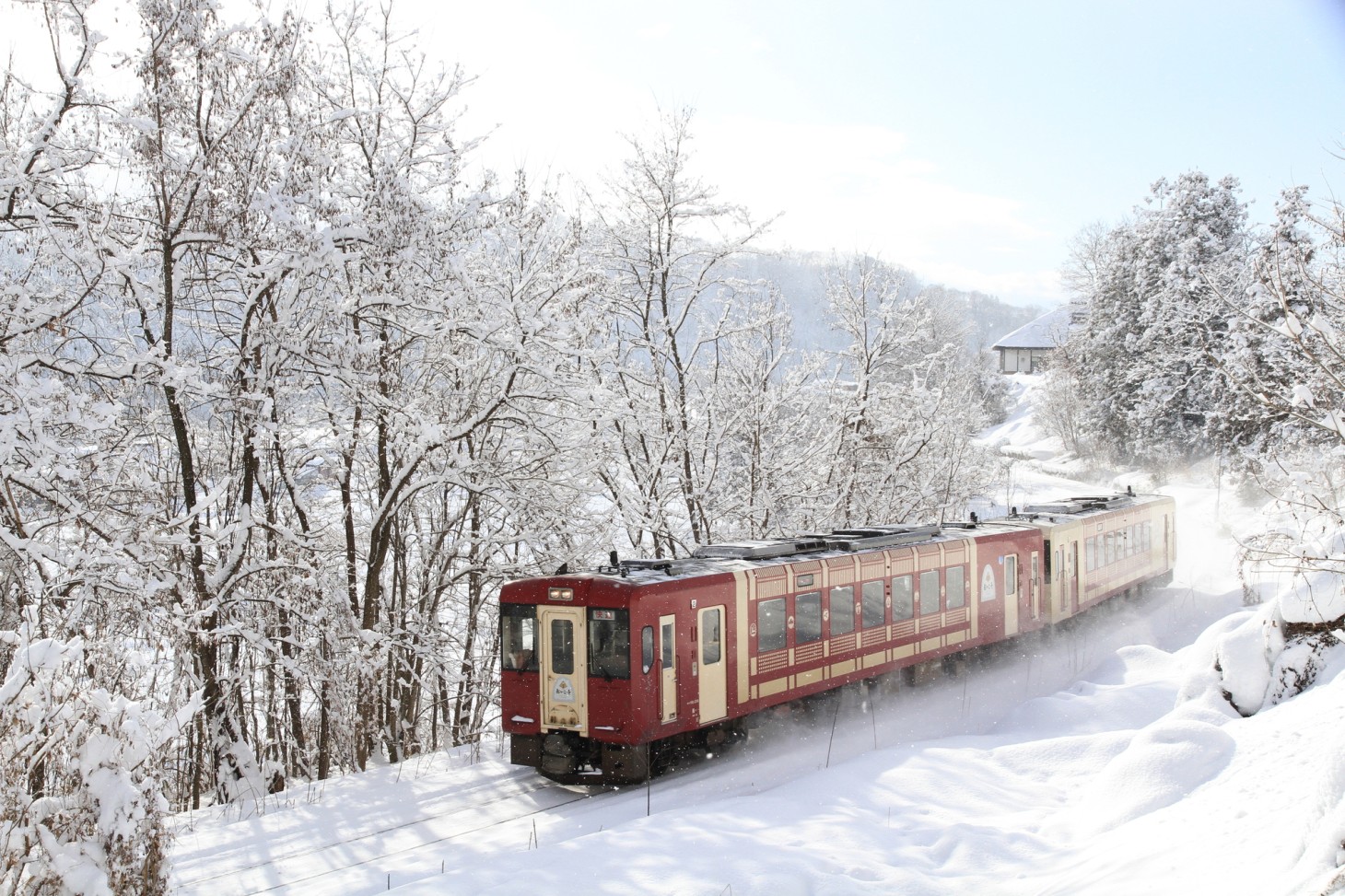
 Table of Contents
- What is "OYKOT"?
- "OYKOT" Timetable
- Operating Section of "OYKOT"
- Stations Where the "OYKOT" Train Stops
- Fares for "OYKOT"
- How to buy tickets for "OYKOT"
- Do I need to get a physical ticket?
- Can I use contactless payment with an IC card or credit card?
- Seating information for "OYKOT"
- Ekiben (Station Bento Boxes) and In-Train Gourmet Food on "OYKOT"
- Points to Note When Riding "OYKOT"
- Summary
What is "OYKOT"?
"OYKOT" is a JR East sightseeing train themed around the rural landscape reminiscent of Japan's original scenery. The Iiyama Line runs from Toyono Station along the Chikuma River (Shinano River) to Echigo-Kawaguchi Station. The area along the line is known as one of Japan's leading heavy snowfall regions. Local residents sometimes serve as guides on board, introducing the attractions of the area. The train is designed with elements that evoke a sense of "furusato" throughout.
Train features and popular points
The charm of the "OYKOT" train lies in the fact that you can leisurely enjoy the rural landscape reminiscent of Japan's original scenery. The interior of the train is designed to evoke the warmth of an old folk house, with wooden furnishings. The seats are arranged to allow passengers to enjoy the scenery outside the window. From the windows, you can enjoy the valley along the Chikuma River and the rural landscape of terraced rice fields. Nozawa Onsen, located along the line, is a historic hot spring resort known for its public bath hopping (sotoyu). Iiyama is known as the "town of temples," with many temples concentrated there. Tokamachi is an art town known as the stage for the Echigo-Tsumari Art Triennale. Morimiyanohara Station holds the highest snowfall in Japan record. Checking the stations where the train stops and travel time before boarding will make it easier to plan an itinerary that includes stops along the way. The impression of the scenery outside the window changes greatly depending on the season, so it is recommended to choose the time of year according to your purpose. The Iiyama Line runs through a heavy snowfall area, so the winter snowscapes are also a highlight of the train's scenery. The Nanohana Park along the railway line is known for its scenery, which turns completely yellow in the spring. The Chikuma River changes its name to the Shinano River when it enters Niigata Prefecture and flows into the Sea of Japan.
"OYKOT" Timetable
* "OYKOT" is a train that operates only on specific days.
Downbound (towards Tokamachi Station) timetable
| Stations | Downbound |
|---|---|
| Departing from Nagano Station | 9:15 |
| Arriving at Tokamachi Station | 11:42 |
Timetable for Upbound trains (towards Nagano Station)
| Stations | Upbound |
|---|---|
| Departing from Tokamachi Station | 13:05 |
| Arriving at Nagano Station | 16:02 |
The "OYKOT" train operates only on select days (mainly Saturdays, Sundays, and holidays). Since the schedule may change depending on the season and timetable revisions, it's best to check the latest schedule on the Ekitan website before boarding. There are more trains during the morning and evening, but the intervals between trains may be longer during the daytime. If you have connecting trains or buses, it's advisable to choose connections that allow ample time before your arrival.
Important information regarding operating days and days when the service is suspended.
The "OYKOT" is a train that operates mainly on weekends and holidays. Operating days are announced in advance, so please be sure to check if you plan to ride it. During winter, delays or cancellations may occur due to snow.
Operating Section of "OYKOT"
Main Sections
- Nagano Station to Toyono Station (Shin'etsu Main Line / Shinano Railway Kita-Shinano Line)
- Toyono Station to Iiyama Station (Iiyama Line)
- Iiyama Station to Tokamachi Station (Iiyama Line)
Iiyama Station is the gateway to Iiyama and Nozawa Onsen. Iiyama is known as a "town of temples," and you can stroll around the area where many temples are located. Nozawa Onsen can be accessed by bus from Iiyama Station. The public baths of Nozawa Onsen are communal baths that have been preserved by the local people. Tokamachi is known as the setting for the Echigo-Tsumari Art Triennale. Kiyotsu Gorge is a valley with columnar jointing, and the observation point inside the tunnel is popular. Morimiyanohara Station has a marker indicating the highest snowfall in Japan record. Since travel to the surrounding tourist spots is mainly by bus or on foot, it is a good idea to check the local transportation options in advance. There are sometimes tourist information centers around the station where you can get maps and brochures. On lines with limited service, it is a good idea to check the return train and bus times as well. Togari-Nozawa Onsen Station is the gateway to the ski resort and hot spring area.
Stations Where the "OYKOT" Train Stops
Main Stations Where the Train Stops
- Nagano Station
- Iiyama Station
- Togari-Nozawa Onsen Station
- Morimiyanohara Station
- Tokamachi Station
*The stations where the train stops may vary depending on the service.
Fares for "OYKOT"
Representative Section Fare
| Section | Total Fare (Adult, One-Way) | Breakdown |
|---|---|---|
| Nagano Station to Tokamachi Station | 2,620 yen | Base Fare Ticket 1,780 yen + Reserved Seat Ticket 840 yen |
Breakdown of Base Fare Tickets and Reserved Seat Tickets
To ride the "OYKOT," you will need a base fare ticket (fare) to your destination and a reserved seat ticket. As it operates as a train with all reserved seats, no Limited Express fare or ticket is required. For sections using the Shinano Railway line, a separate fare for the Shinano Railway line is required in addition to your JR ticket or pass.
Sections running on the Shinano Railway Line
The "OYKOT" train runs between Nagano and Toyono via the Shinano Railway Kita-Shinano Line. JR Passes such as the JR Pass require an additional fare for this private railway section. If using a pass, please check the payment methods for the uncovered section at Nagano Station or other locations.
How to buy tickets for "OYKOT"
Eki-net (Internet reservation)
JR East's online reservation service, "Eki-net," allows you to reserve reserved seats using a credit card. Reserved seats go on sale one month prior to the travel date at 10:00 AM. When making a reservation, you specify the travel date, section, train name, and number of passengers, and then select your seats. In addition to credit cards, cash is also accepted depending on the purchase method. Changes and refunds after reservation are subject to certain conditions and charges.


Reserved seat ticket machines and ticket offices
You can purchase reserved seat tickets at the station's reserved seat ticket machines or at the ticket office. Since all seats are reserved, you cannot board the train without securing a seat. Ticket machines often support multiple languages, making them easy to use even if you don't understand Japanese. At the ticket office, simply tell the staff your destination and desired departure time, and they will guide you to the appropriate train. Ticket offices can get crowded during high season, so it's best to go with plenty of time to spare.
Travel Agencies
Major travel agencies offer travel packages that combine accommodation in Nozawa Onsen or Tokamachi with train travel.
How to buy for foreign tourists
The "OYKOT" is a JR East train, but it sometimes travels via the Shinano Railway line. If you are using the JR Pass, the Shinano Railway line is not covered and requires a separate fare. All seats are reserved, so you will need to obtain a separate seat reservation ticket. Some station ticket offices offer information in foreign languages. Special tickets for international tourists may have limited purchase conditions and sales locations, so it is advisable to check before you travel.
Do I need to get a physical ticket?
Even if you purchase your ticket through "Eki-net," you may still need to pick up a paper ticket at a ticket vending machine at the station. If you need to pick up a paper ticket, it's best to do so with plenty of time to spare, rather than right before boarding. Tickets cannot be reissued if lost, so please keep them safe during your journey.
Can I use contactless payment with an IC card or credit card?
Suica can be used on some sections around Nagano. However, most of the Iiyama Line is outside the IC card area. Transportation IC cards can sometimes be used across regions due to the nationwide interoperability service. However, the usable area is determined by each railway company, so be sure to check in advance whether your journey is within their service area.
Contactless payment via credit card is not available for boarding at ticket gates.
*Please note that you cannot board the train using only an IC card. A reserved seat ticket must be purchased separately.
Seating information for "OYKOT"
Seat type
"OYKOT" is an all-reserved-seat train. It features an interior designed to resemble an old folk house. Since the number of seats is limited, it is best to book early once your travel dates are decided. You may be able to choose between a window seat or an aisle seat when booking. If you want to sit together with your travel companions, booking together makes it easier to secure adjacent seats.
| Seat Type | Content |
|---|---|
| Ordinary Car Reserved Seat | Seats arranged for easy viewing of the scenery outside the window. |
Distinctive seating
The train's interior features a warm, woody design reminiscent of an old folk house. The seats are positioned to allow passengers to enjoy the scenery outside the window. The interior is decorated in calming colors that complement the landscape along the route. From the windows, you can enjoy views of the Chikuma River and the rural landscape with its terraced rice fields. The scenery changes depending on the direction of travel, so it's a good idea to check your seat location when making a reservation. Window seats are suitable for those who want to enjoy the scenery, while aisle seats are suitable for those who prioritize ease of boarding and alighting. For long journeys, it's recommended to check your seat location in advance before making a reservation for a more comfortable experience.
Large luggage storage area
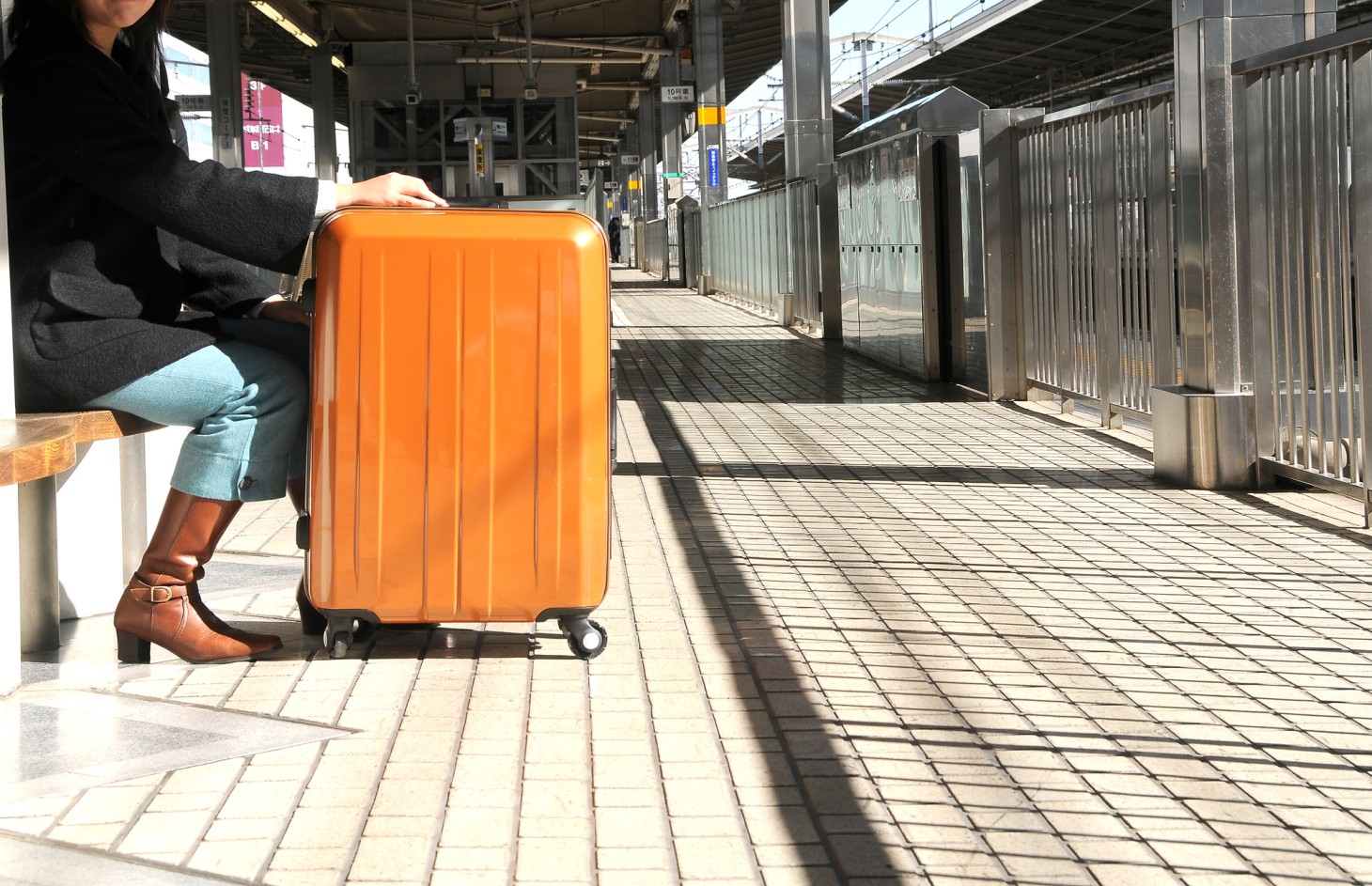
Space for large luggage is limited. Large items will need to be placed in the space at your feet or on your lap.
Barrier-free facilities
If you will be using a wheelchair, it is recommended to consult with JR East's ticket office in advance. Multipurpose rooms and wheelchair-accessible facilities may vary depending on the train car and configuration.
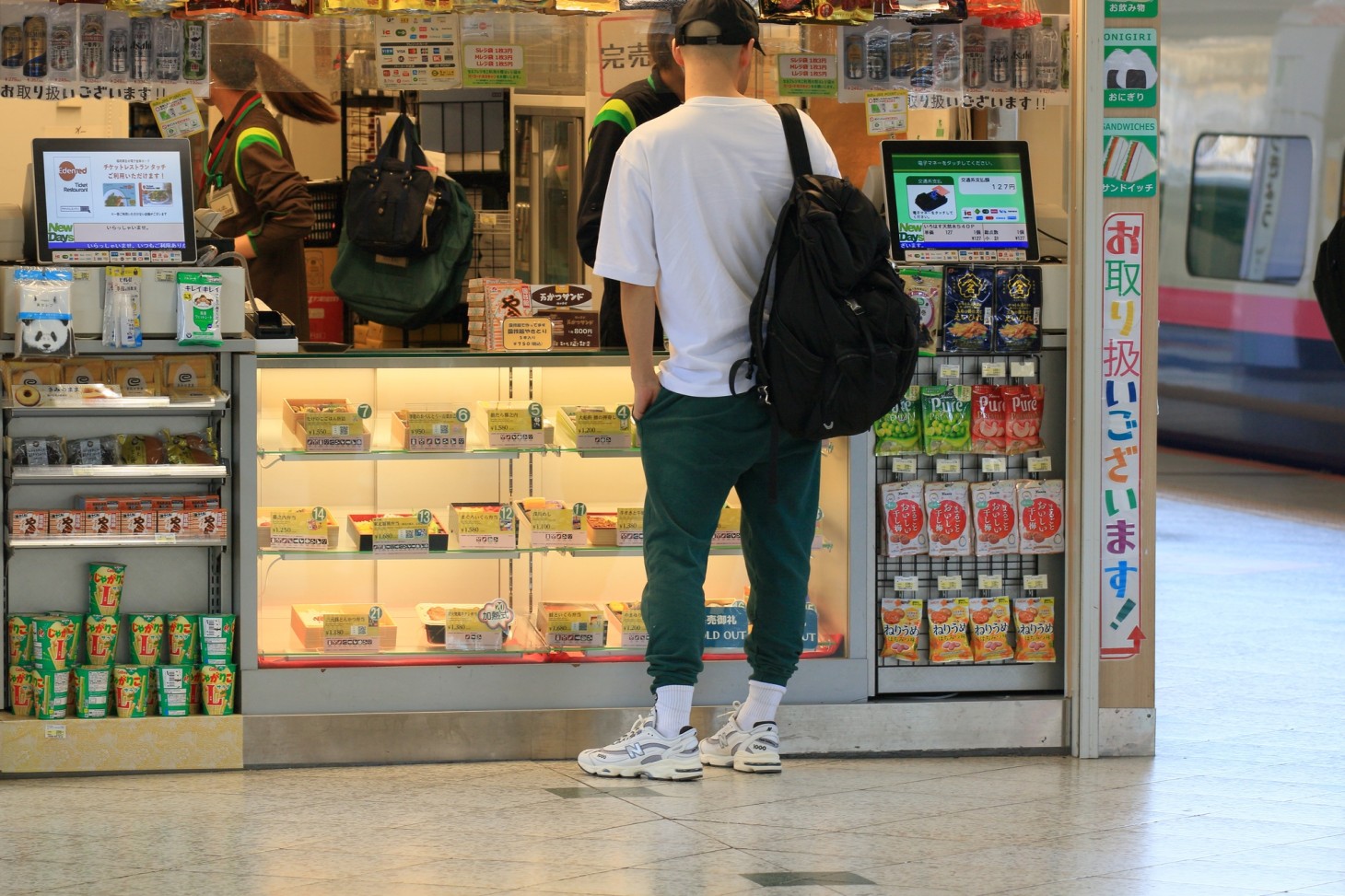
Ekiben (Station Bento Boxes) and In-Train Gourmet Food on "OYKOT"
On the "OYKOT" train, light meals and drinks may be sold on board. Along the route, local specialties such as sasa-zushi and oyaki are popular. In Tokamachi, hegi soba is a well-known local specialty. In Nozawa Onsen, Nozawana-zuke is a popular souvenir. Onboard sales vary depending on the service and season, so it's best to prepare drinks and snacks before boarding. Some stations along the route have shops selling local specialties. When eating or drinking on board, please be considerate of others by avoiding foods with strong odors to ensure a pleasant experience. Dispose of empty containers and trash in the trash cans on board or at the station after disembarking.
Points to Note When Riding "OYKOT"
The "OYKOT" train operates only on limited days, so be sure to check the operating dates before planning your trip. All seats are reserved, so you cannot board without a reserved seat. If you travel via the Shinano Railway line, the JR Pass is not applicable and a separate fare is required. During winter, delays or cancellations may occur due to snow. Due to its popularity, reserved seats may fill up quickly. Before boarding, be sure to check the train name, car number, and seat number printed on your ticket. If you are bringing large luggage, please use the luggage racks or overhead shelves to avoid blocking the aisle. Onboard, it is good manners to keep phone calls to a minimum so as not to disturb other passengers.
The availability of in-train sales may vary depending on the service and time of year. Please check the operating status on the day of travel using Ekitan or the railway company's official website before boarding.
Summary
"OYKOT" is a JR East sightseeing train that connects Nagano Station and Tokamachi Station via the Iiyama Line. Passengers can relax and enjoy the rural landscape reminiscent of Japan's original scenery from the train's interior, which is designed to resemble an old folk house. Since it operates on limited days and all seats are reserved, be sure to check the operating dates and reserve your seat in advance.
Enjoy a journey through the rural landscapes along the Iiyama Line with "OYKOT," a train that traces the "furusato" of Japan.

The information on this website is based on content available at the time of publication. We do not guarantee its accuracy or timeliness. The content may include advertisements or promotions, and we are not responsible for any external websites linked from this site.