Limited Express "NANKI" Timetable, Fares, and How to Buy Tickets
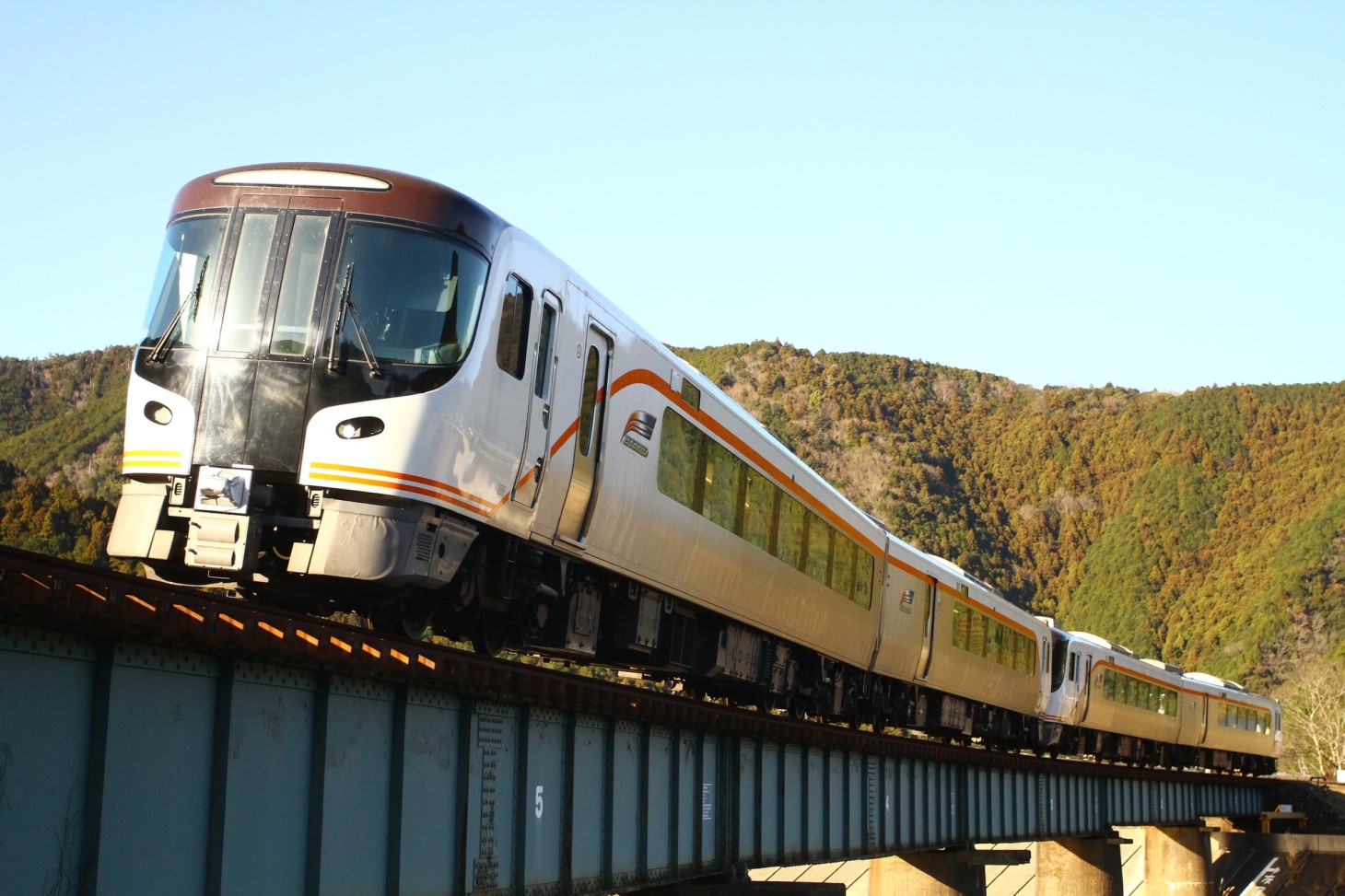
This article provides a comprehensive overview of the JR Tokai Limited Express "NANKI," which connects Nagoya Station and Kii-Katsuura Station. It includes timetables, fares for representative sections, stations served, seating information, ticket purchasing procedures, ticket issuance requirements, and IC card compatibility. It serves as a key access train to the Kumano and Nanki regions along the Pacific coast, and this article summarizes key points to check before your trip.
The information in this article is current as of July 2026. Operating days, timetables, fares, and ticket sales conditions may change, so please check the latest information on Ekitan or the railway company's official website before using the service.
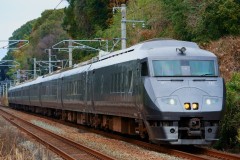
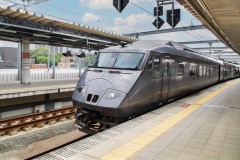
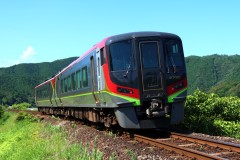
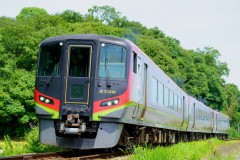
The "NANKI" is a JR Tokai limited express train connecting Nagoya Station and Kii-Katsuura Station. It travels via the Kansai Main Line, Ise Railway Line, and Kisei Main Line, following the coastline along Kumano-nada from the Ise Plain towards the Nanki region. It is used as a major means of access to the Kumano Kodo, a World Heritage Site, and the Kumano Sanzan shrines. In 2023, the train was replaced with the hybrid HC85 series diesel railcar, significantly improving comfort and environmental performance. There are reserved seats, unreserved seats, and Green Car seats, and during peak seasons designated by JR Tokai, all seats are reserved. From the train windows, passengers can enjoy the gentle coastline of Kumano-nada and the intricate topography of the ria coast. Item Content Train Name "NANKI" Operating Company JR Tokai Main Operating Sections Nagoya Station to Kii-Katsuura Station Main Starting and Ending Stations Nagoya Station / Kii-Katsuura Station Number of Trains Running About 4 round trips per day Estimated Travel Time Nagoya to Kii-Katsuura: Approximately 4 hours Seat Reserved seats / Unreserved seats (All seats are reserved during designated periods) 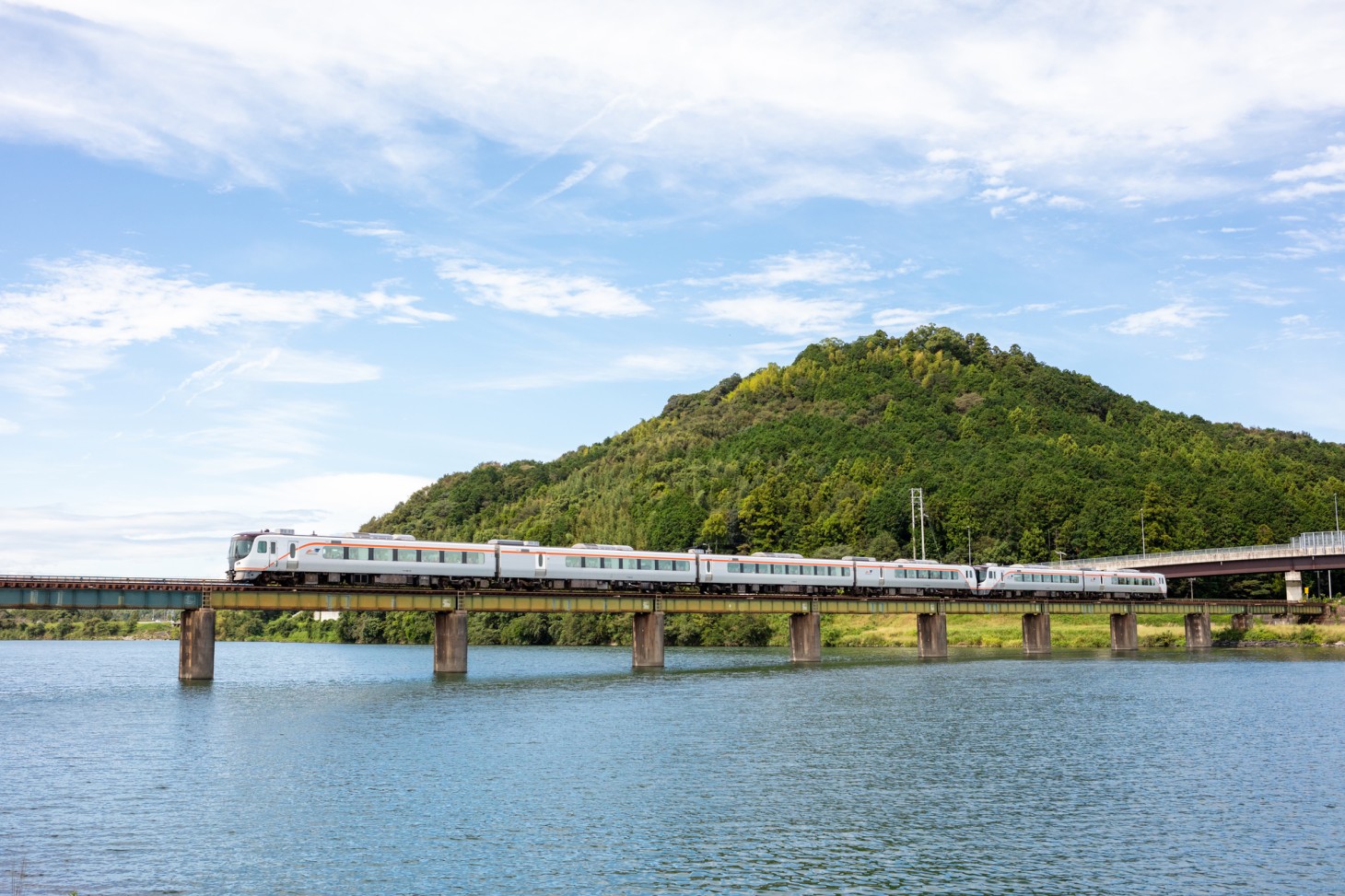
 Table of Contents
- What is "NANKI"?
- "NANKI" Timetable
- "NANKI" Operating Section
- Stations Served by "NANKI"
- "NANKI" Fares
- How to Buy Tickets for "NANKI"
- Is a Physical Ticket Required?
- Can I Use IC Cards or Credit Card Touch Payment?
- Seat Information for "NANKI"
- Ekiben and In-Train Dining on "NANKI"
- Points to Note When Riding "NANKI"
- Summary
What is "NANKI"?
"NANKI" is a JR Tokai limited express train named after the southern part of the Kii Peninsula. The Kisei Main Line is a route that circles the Kii Peninsula, and "NANKI" operates on the section connecting Nagoya and Kii-Katsuura. From Kii-Katsuura Station, it is possible to access Kumano Nachi Taisha Shrine, one of the three Kumano shrines, and Nachi Falls. The Kumano Kodo pilgrimage routes were registered as a World Heritage Site in 2004 as part of the "Sacred Sites and Pilgrimage Routes in the Kii Mountain Range." This historic train has been in service since the 1960s and was long known as the Kiha 85 series "Wide View NANKI."
Train Features and Popular Points
The appeal of the "NANKI" train lies in its direct access from Nagoya to the Kumano and Nanki areas without transfers. The HC85 series is a hybrid train that uses electricity generated by a diesel engine to power its motors. Compared to conventional diesel trains, it is quieter, accelerates more smoothly, and is designed to be less tiring even on long journeys. From the train windows, you can enjoy the scenery of the ria coast of Kumano-nada and the horizon of the Pacific Ocean. Nachi Falls boasts a drop of 133 meters and is counted as one of Japan's three most famous waterfalls. Kumano Nachi Taisha Shrine and Seiganto-ji Temple are located on a hill overlooking Nachi Falls, and are famous for the scenery of the vermilion-painted three-story pagoda and the waterfall side by side. Kii-Katsuura is known for its tuna landings, and boasts one of the largest catches of fresh tuna in the country. Katsuura Onsen has open-air baths facing the sea, including the cave bath "Bokido," where you can soothe your travel fatigue. The Kumano Sanzan refers to the three shrines of Kumano Hongu Taisha, Kumano Hayatama Taisha, and Kumano Nachi Taisha. The Nakahechi route of the Kumano Kodo pilgrimage is known as a representative pilgrimage route leading to Kumano Hongu Taisha. At Kii-Katsuura Port, a fresh tuna auction is held early in the morning, and on some days it is open to the public. Taiji Town has a history of traditional whaling and is home to a whale museum.
"NANKI" Timetable
*The "NANKI" train operates approximately four round trips per day.
Downbound (towards Kii-Katsuura Station) Timetable
| Stations | Example 1 | Example 2 |
|---|---|---|
| Departing from Nagoya Station | 08:02 | 10:01 |
| Arrived at Kii-Katsuura Station | 11:56 | 13:58 |
Timetable for Northbound Trains (towards Nagoya Station)
| Stations | Example 1 | Example 2 |
|---|---|---|
| Departing from Kii-Katsuura Station | 08:54 | 12:25 |
| Arrived at Nagoya Station | 12:41 | 16:12 |
The "NANKI" train operates approximately four round trips per day. Since the schedule may change depending on the season and timetable revisions, it's best to check the latest schedule on the Ekitan website before boarding. There are more trains during the morning and evening rush hours, while the intervals between trains may be longer during the daytime. If you have connecting trains or buses, it's advisable to choose connections that allow ample time before your arrival.
Important Information Regarding Operating Days and Service Suspensions
The "NANKI" train operates daily throughout the year. The Kisei Main Line runs along the coast for much of its route, so service may be suspended or delayed during typhoons or strong winds. Extra trains may be added during peak seasons.
"NANKI" Operating Section
Main Sections
- Nagoya Station to Kawarada Station (Kansai Main Line)
- Kawarada Station to Tsu Station (Ise Railway Line)
- Tsu Station to Kii-Katsuura Station (Kisei Main Line)
Kii-Katsuura Station is the gateway to Kumano Nachi Taisha Shrine and Nachi Falls. Nachisan Mountain is about a 30-minute bus ride from the station, allowing you to visit Kumano Nachi Taisha Shrine, Seiganto-ji Temple, and Nachi Falls. Daimonzaka is a well-preserved stone-paved path on the Kumano Kodo pilgrimage route, where you can walk through a cedar forest. Near Shingu Station is Kumano Hayatama Taisha Shrine, one of the three Kumano shrines. Near Kumano-shi Station is Shishiiwa, a giant rock resembling a lion, which is a component of the World Heritage Site. Onigajo is a scenic spot with strangely shaped rocks created by the rough waves of Kumano-nada, and you can see the impressive terrain up close from the walking trail. Owase is known as one of Japan's rainiest areas and is a town that prospered from its abundant forest resources and fishing industry. Nachi Falls is enshrined as the sacred object of Hiro Shrine, a sub-shrine of Kumano Nachi Taisha Shrine. At the former site of Kumano Hongu Taisha Shrine, Osaibara, stands the tallest torii gate in Japan. The area around Matsusaka Station is known as a production area for Matsusaka beef, and there are many long-established sukiyaki restaurants. To get to Ise, you can transfer to the Sangū Line at Taki Station and visit Ise Grand Shrine.
Stations Served by "NANKI"
Main Stops
- Nagoya Station
- Kuwana Station
- Yokkaichi Station
- Tsu Station
- Matsusaka Station
- Taki Station
- Owase Station
- Kumano-shi Station
- Shingu Station
- Kii-Katsuura Station
"NANKI" Fares
Representative Section Fare
| Section | Total Fare (Adult) | Basic Fare Ticket | Limited Express Fare |
|---|---|---|---|
| Nagoya Station to Kii-Katsuura Station (Unreserved Seats) | 7,330 yen | 4,590 yen | 2,740 yen |
| Nagoya Station to Kii-Katsuura Station (Reserved Seat) | 7,860 yen | 4,590 yen | 3,270 yen |
| Nagoya Station to Kii-Katsuura Station (Green Car) | 11,520 yen | 4,590 yen | 6,930 yen |
Breakdown of Basic Fare Ticket and Limited Express Fare
The fare for the "NANKI" train is the sum of the basic fare to your destination and the limited express surcharge. During normal periods, there are reserved and unreserved seats in ordinary cars, and if you wish to use a Green Car, a Green Car surcharge is also required. During peak seasons designated by JR Tokai, all seats are reserved, and you cannot use unreserved limited express tickets on these trains. Please check before booking whether your travel date falls within the period when all seats are reserved.
Fares for the Section of the Ise Railway Line
The "NANKI" train runs on the Ise Railway line, which is not a JR line, between Kawarada Station and Tsu Station. Because this section is not a JR line, JR free passes such as the JAPAN RAIL PASS and Seishun 18 Kippu are not applicable, and a separate fare is required. When riding with a regular ticket, the fare includes the Ise Railway line fare. This is one of the points to pay particular attention to when using the "NANKI" train.
How to Buy Tickets for "NANKI"
Internet Reservation
Reserved seats on JR Tokai's conventional line limited express trains can be purchased at station ticket machines and Midori-no-madoguchi, as well as sometimes through online reservation services. Reserved seats go on sale one month prior to the travel date at 10:00 AM. When making a reservation, you specify the travel date, section, train name, and number of passengers, and then select your seats. Payment can be made by credit card, and cash is also accepted depending on the purchase method. Changes and refunds after reservation are subject to conditions and fees.


Reserved Seat Ticket Machines and Midori-no-madoguchi
You can purchase reserved seat or unreserved seat express train tickets at the station's designated seat ticket vending machines or ticket offices. While seat reservations are not required for unreserved seats during normal periods, you may not be able to find a seat if all seats are occupied. During periods designated by JR Tokai as requiring all seats to be reserved, please secure your reserved seat in advance.
Travel Agencies
Major travel agencies offer travel packages that combine reserved seats on the "NANKI" train with accommodation at Katsuura Onsen.
How to Purchase for Foreign Tourists
The "NANKI" train can be used with the JAPAN RAIL PASS, but the Ise Railway line between Kawarada Station and Tsu Station is not covered, so a separate fare is required. During normal periods, unreserved seats in ordinary cars are also available. During periods designated by JR Tokai as all seats reserved, please reserve an ordinary car seat in advance.
Is a Physical Ticket Required?
If you purchase your ticket at a designated seat ticket machine or Midori-no-madoguchi at the station, you will need to receive a paper express ticket before boarding. When receiving your paper ticket, it is best to pick it up with plenty of time to spare, rather than right before boarding. Tickets cannot be reissued if lost, so please keep it safe during your journey.
Can I Use IC Cards or Credit Card Touch Payment?
On the section of the "NANKI" train line that is included in the TOICA area around Nagoya, you can use a transportation IC card for the fare portion. However, there are sections in the southern part of the Kisei Main Line that are outside the IC card area. Transportation IC cards can sometimes be used across regions through the nationwide interoperability service. However, the usable area is determined by each railway company, so be sure to check in advance whether your journey is within the area.
Contactless payment via credit card is not available for boarding at ticket gates.
Seat Information for "NANKI"
Seat Types
The "NANKI" train is operated using HC85 series rolling stock, and during normal periods, it offers reserved seats in ordinary cars, unreserved seats in ordinary cars, and Green Car seats. During peak seasons designated by JR Tokai, all seats are reserved, and there are no unreserved seats.
| Seat Type | Content |
|---|---|
| Ordinary Car Reserved Seat | Use by reserving your seat in advance. |
| Ordinary Car Unreserved Seat | Available during normal periods. Seating may not be available if all seats are taken. |
| Green Car | Spacious premium seats |
Distinctive Seating
The HC85 series inherits the "Wide View" design philosophy with its large windows, making it easy to enjoy the scenery. All seats are equipped with power outlets, allowing you to use your smartphone or laptop even on long journeys. Free Wi-Fi service is available on board. Green Car offers spacious seat pitch and footrests, ensuring comfort even on journeys of nearly four hours. Seats behind the driver's cab may offer views of the scenery ahead. The HC85 series interior is bright and open, allowing you to fully enjoy the Kumano-nada coastline through the large windows. Large tables are provided on the back of the seats, convenient for enjoying Ekiben. Window seats are ideal for those who want to enjoy the scenery, while aisle seats are suitable for those who prioritize ease of boarding and alighting. For long journeys, it's recommended to check your seat location and make a reservation in advance for a more comfortable experience.
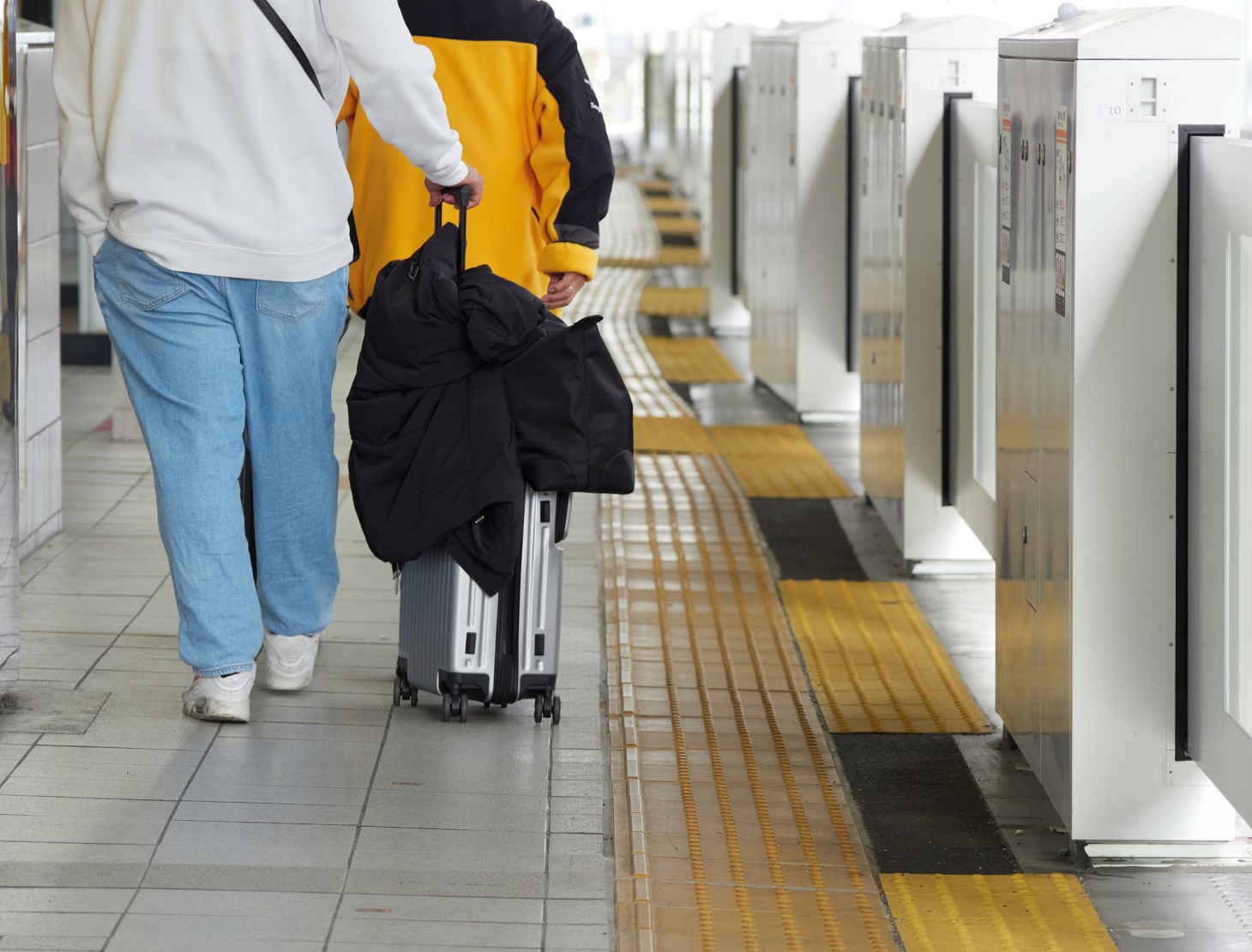
Large Luggage Storage Area
A large luggage storage area is provided within the train set.
Barrier-Free Facilities
Wheelchair-accessible seating is available within the train. If you wish to use it, we recommend contacting JR Tokai's ticket office in advance. Multipurpose rooms and wheelchair-accessible facilities may vary depending on the train car and train set.
Ekiben and In-Train Dining on "NANKI"
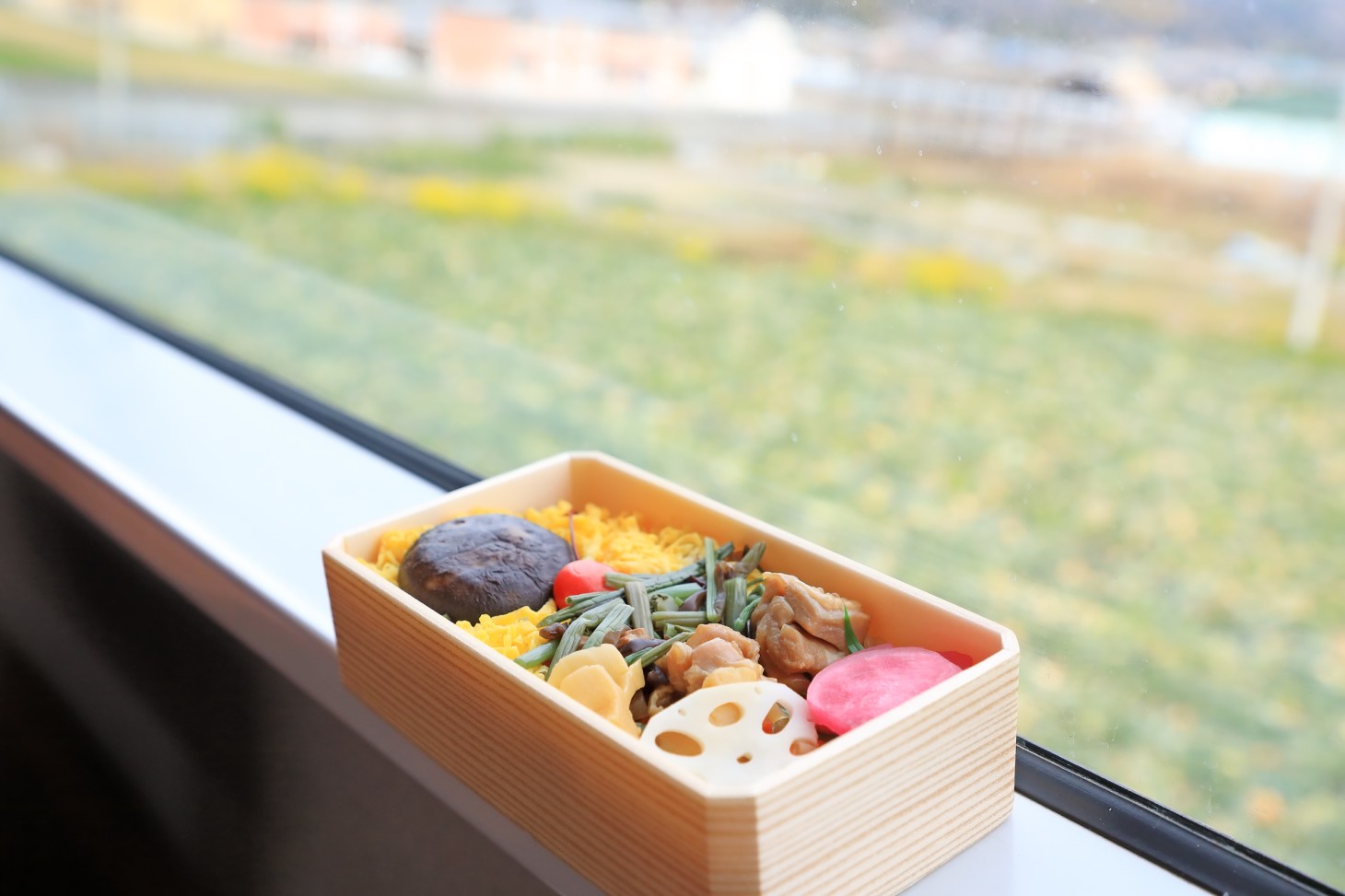
On the "NANKI" train, there is no in-car sales service. If you would like to enjoy a meal, it is recommended to prepare in advance at the Ekiben shops or stalls at Nagoya Station. Nagoya Station offers a variety of Ekiben featuring Nagoya specialties such as miso katsu, hitsumabushi, and tenmusu. Around Kii-Katsuura Station, you can enjoy seafood bowls and sushi made with fresh tuna. In towns along Kumano-nada, local dishes such as sanma sushi and mehari sushi are popular. Sanma sushi from Mie Prefecture is a local dish made with lean saury marinated in vinegar. Mehari sushi is a traditional dish from the Kumano region, where rice is wrapped in mustard greens leaves. When eating or drinking on the train, please be considerate of others, such as avoiding foods with strong odors, to ensure a pleasant experience. Please dispose of empty containers and trash in the trash cans on the train or in the trash cans at the station after disembarking.
Points to Note When Riding "NANKI"
The "NANKI" train usually has unreserved seating, but during peak seasons designated by JR Tokai, all seats are reserved. If your travel date falls within the peak season, please reserve your seat in advance. Check the operating status and seating arrangements on Ekitan or the JR Tokai official website.
Since there is no onboard service, be sure to prepare any meals you plan to eat before boarding. Because the number of trains is limited to about four round trips per day, be sure to check the return train schedule as well. Checking the train's operating status on a site like Ekitan before boarding will help you calmly deal with delays or cancellations.
Summary
The "NANKI" is a limited express train connecting Nagoya Station and Kii-Katsuura Station, providing convenient access to the Kumano Kodo pilgrimage route and the Kumano Sanzan shrines. During normal periods, it offers reserved seats, unreserved seats, and Green Car seats. During peak seasons designated by JR Tokai, all seats are reserved. Please check the travel date and seating arrangements before making a reservation.
Enjoy a journey to a World Heritage site in Nanki, a region connecting the sea and mountains of Kumano.

The information on this website is based on content available at the time of publication. We do not guarantee its accuracy or timeliness. The content may include advertisements or promotions, and we are not responsible for any external websites linked from this site.