Timetable, Fares, and How to Buy Tickets for the Limited Express "KOUNOTORI"
This article provides a comprehensive overview of JR West's Limited Express "KOUNOTORI" train, which connects Shin-Osaka Station to Fukuchiyama Station and Kinosaki Onsen Station. It includes timetables, fares for representative routes, stations served, seating information, ticket purchasing procedures, ticket issuance requirements, and IC card compatibility. As it serves as an access train between Kinosaki Onsen and the Tanba/Tajima regions, this article summarizes key points to check before your trip.
The information in this article is current as of July 2026. Operating days, timetables, fares, and ticket sales conditions may change, so please check the latest information on Ekitan or the railway company's official website before using the service.
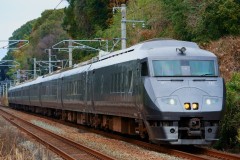
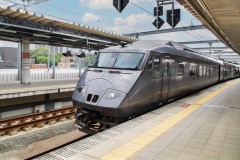
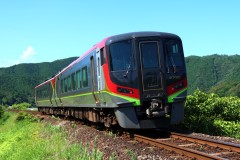
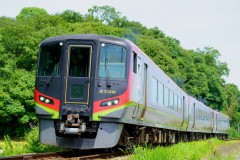
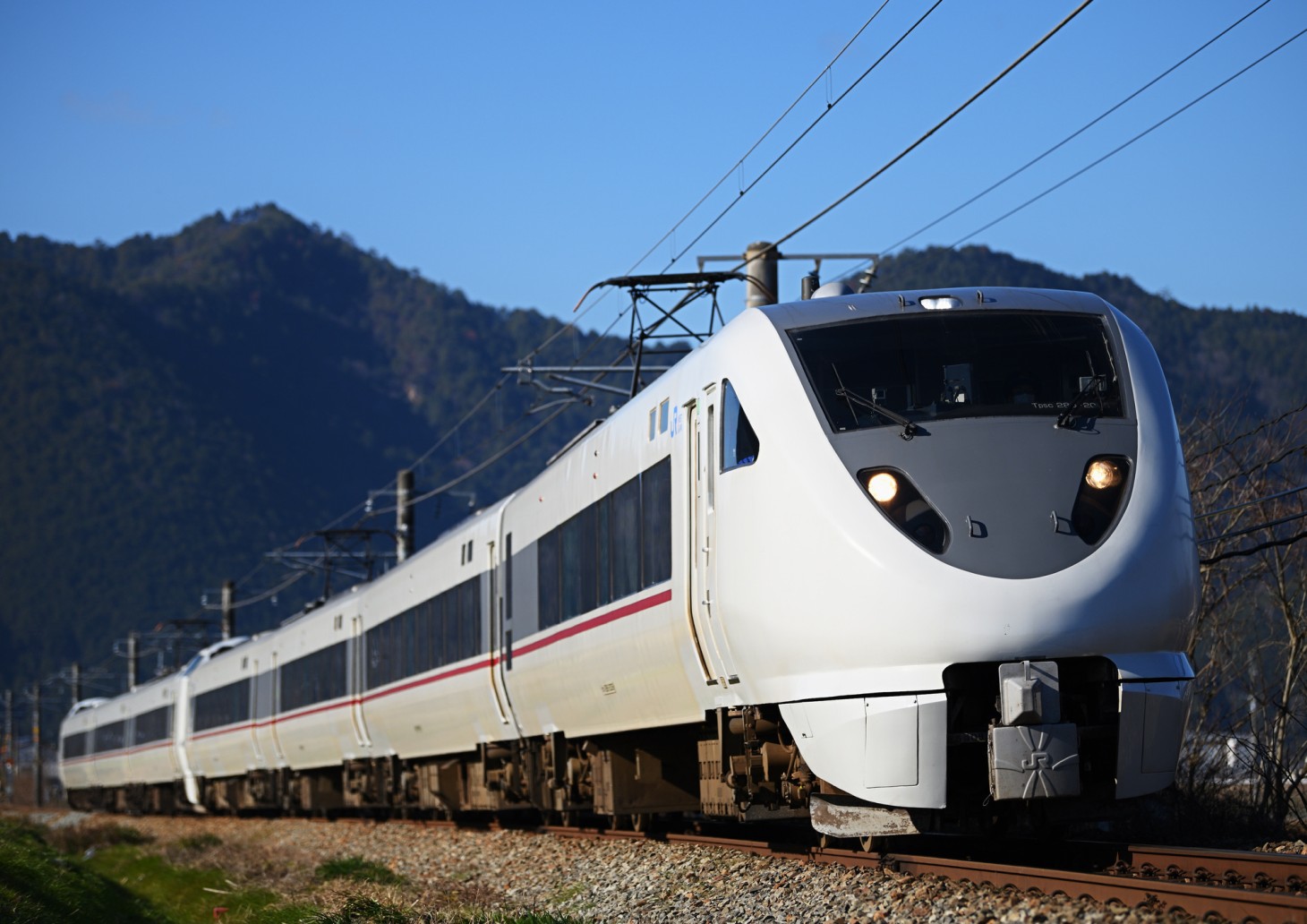
The "KOUNOTORI" is a JR West limited express train connecting Shin-Osaka Station with Fukuchiyama Station and Kinosaki Onsen Station via the Fukuchiyama Line. The train's name comes from the Oriental White Stork, which is being protected and bred in Toyooka City, Hyogo Prefecture. As a major means of access to Kinosaki Onsen, it is used by many travelers from the Kansai region. The train uses 287 series and 289 series electric trains, depending on the service. From the train windows, you can enjoy the scenery of the Mukogawa Gorge and the mountains of Tanba and Tajima. Since there are similar names for trains and destinations, it is recommended to check the train name and destination on the departure information display before boarding.
| Item | Content |
|---|---|
| Train Name | "KOUNOTORI" |
| Operating Company | JR West |
| Main Operating Sections | Shin-Osaka Station to Fukuchiyama Station/Kinosaki Onsen Station |
| Main Starting and Ending Stations | Shin-Osaka Station / Fukuchiyama Station / Kinosaki Onsen Station |
| Number of Trains Running | More than ten round trips per day |
| Estimated Travel Time | Shin-Osaka to Kinosaki Onsen: Approximately 2 hours and 40 minutes |
| Seat | Ordinary Car Reserved Seats (All Seats Reserved) |
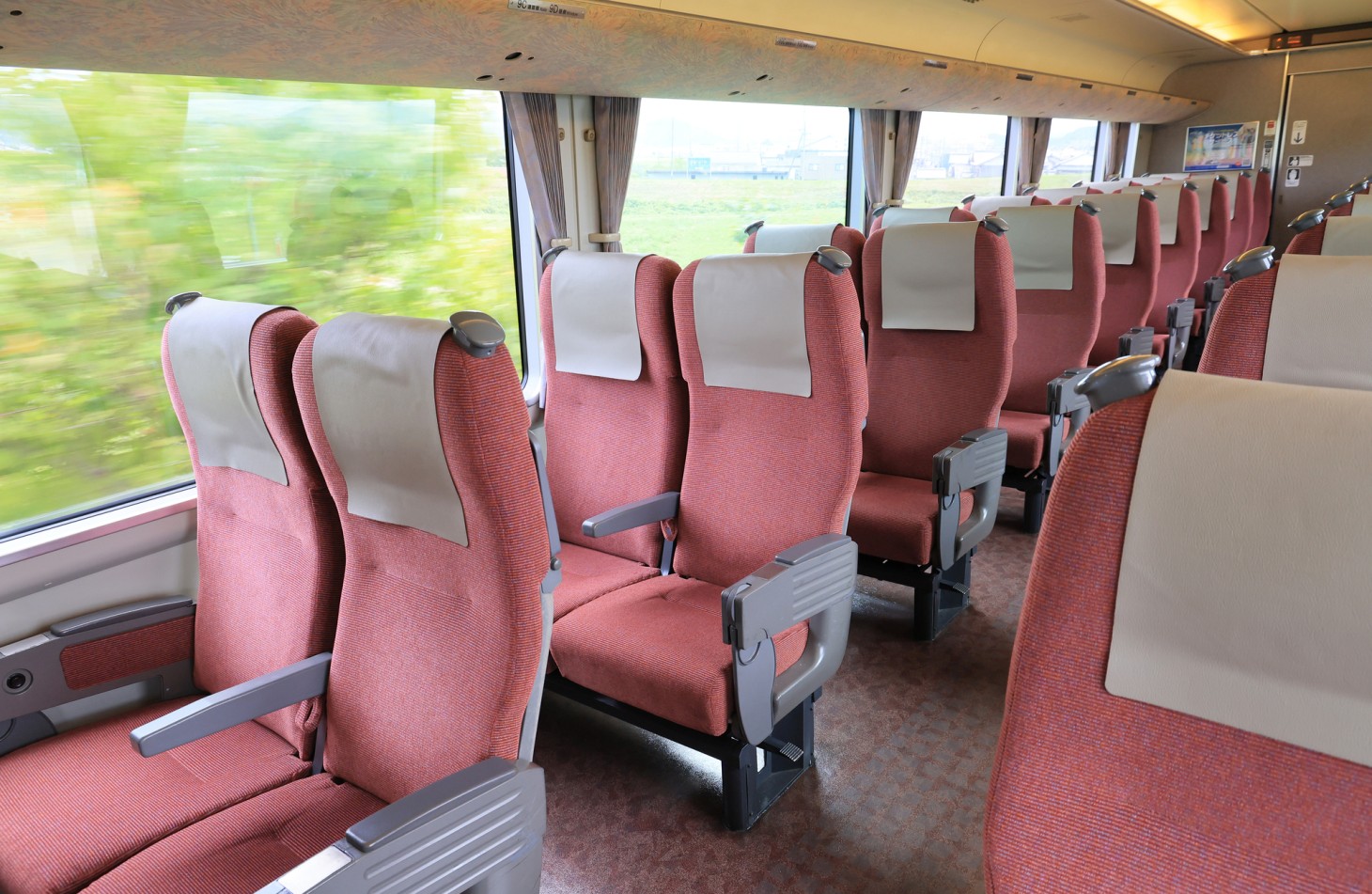
 Table of Contents
- What is "KOUNOTORI"?
- "KOUNOTORI" Timetable
- "KOUNOTORI" Operating Section
- "KOUNOTORI" Stations Served
- "KOUNOTORI" Fare
- How to Buy Tickets for the "KOUNOTORI" Train
- Is a Physical Ticket Required?
- Can IC Cards or Credit Card Contactless Payments Be Used?
- "KOUNOTORI" Seating Information
- Ekiben and Onboard Dining on the "KOUNOTORI" Train
- Points to Note When Riding the "KOUNOTORI"
- Summary
What is "KOUNOTORI"?
"KOUNOTORI" is a JR West limited express train named after the storks of Toyooka City. Storks once disappeared from the wild in Japan, but conservation efforts in Toyooka City have led to their reintroduction into the wild. The Fukuchiyama Line runs from Amagasaki Station through Takarazuka and Sasayamaguchi to Fukuchiyama Station. The 289 series is a modified version of the 683 series, which previously operated as a limited express train to the Hokuriku region. Limited express trains such as Kinosaki and Hashidate, which originate and terminate in Kyoto, also operate on the same section.
Train Features and Popular Points
The appeal of the "KOUNOTORI" train lies in its convenience, offering direct access from the Kansai region to Kinosaki Onsen without transfers. Kinosaki Onsen is known for its charming hot spring town with willow trees lining the Otani River. A popular activity in Kinosaki Onsen is the "hot spring hopping," where you can visit the seven public baths. Strolling through the hot spring town in a yukata and geta sandals is a unique way to enjoy Kinosaki Onsen. Toyooka is a town working to reintroduce wild storks and is home to the Kounotori no Sato Park. Sasayama (Tanba Sasayama) is known for its castle townscape and local specialties such as black edamame and Tanba chestnuts. Takarazuka is nationally known as the home of the Takarazuka Revue. The gorge along the Mukogawa River is one of the highlights of the train journey. Checking the stops and travel time before boarding will make it easier to plan an itinerary that includes stops along the way. The scenery from the train window changes greatly depending on the season and time of day, so it is recommended to choose different times of day for the outbound and return journeys.
"KOUNOTORI" Timetable
*The "KOUNOTORI" train operates more than ten round trips per day.
Downbound (towards Fukuchiyama Station) Timetable
| Stations | Example 1 | Example 2 |
|---|---|---|
| Departing from Shin-Osaka Station | morning | afternoon |
| Arriving at Fukuchiyama Station | Approximately 2 hours and 40 minutes later | Approximately 2 hours and 40 minutes later |
Timetable for Northbound Trains (towards Shin-Osaka Station)
| Stations | Example 1 | Example 2 |
|---|---|---|
| Departing from Fukuchiyama Station | morning | afternoon |
| Arriving at Shin-Osaka Station | Approximately 2 hours and 40 minutes later | Approximately 2 hours and 40 minutes later |
The "KOUNOTORI" train operates more than ten round trips a day. Since the schedule may change depending on the season and timetable revisions, it's best to check the latest schedule on Ekitan before boarding. There are more trains during the morning and evening rush hours, while the intervals between trains may be longer during the daytime. If you have connecting trains or buses, it's advisable to choose connections that allow ample time before your arrival.
Important Information Regarding Operating Days and Days When the Service is Suspended.
The "KOUNOTORI" train operates daily throughout the year. There are direct services to Kinosaki Onsen and services that terminate at Fukuchiyama. During high season, reserved seats may sell out quickly.
"KOUNOTORI" Operating Section
Main Sections
- Shin-Osaka Station to Amagasaki Station (JR Tokaido Line)
- Amagasaki Station to Sasayamaguchi Station (JR Fukuchiyama Line)
- Sasayamaguchi Station ~ Fukuchiyama Station ~ Kinosaki Onsen Station (JR Fukuchiyama Line/JR San'in Main Line)
Kinosaki Onsen Station is the gateway to Kinosaki Onsen. Upon exiting the station, you'll find yourself in the heart of the hot spring town, with seven public bathhouses within walking distance. The willow trees lining the Ootani River are a beloved symbol of Kinosaki Onsen. From the Kinosaki Ropeway, you can enjoy panoramic views of the hot spring town and the Sea of Japan. At the Toyooka Stork Park, you can see storks being reintroduced to the wild up close. Genbudo Cave, with its unique columnar jointing formations, is a nationally designated natural monument. In Tanba Sasayama, you can enjoy the townscape of a castle town and local specialties such as black edamame beans. Since travel to surrounding tourist attractions is mainly by bus or on foot, it's a good idea to check local transportation options beforehand. Tourist information centers are often located near the station where you can obtain maps and brochures.
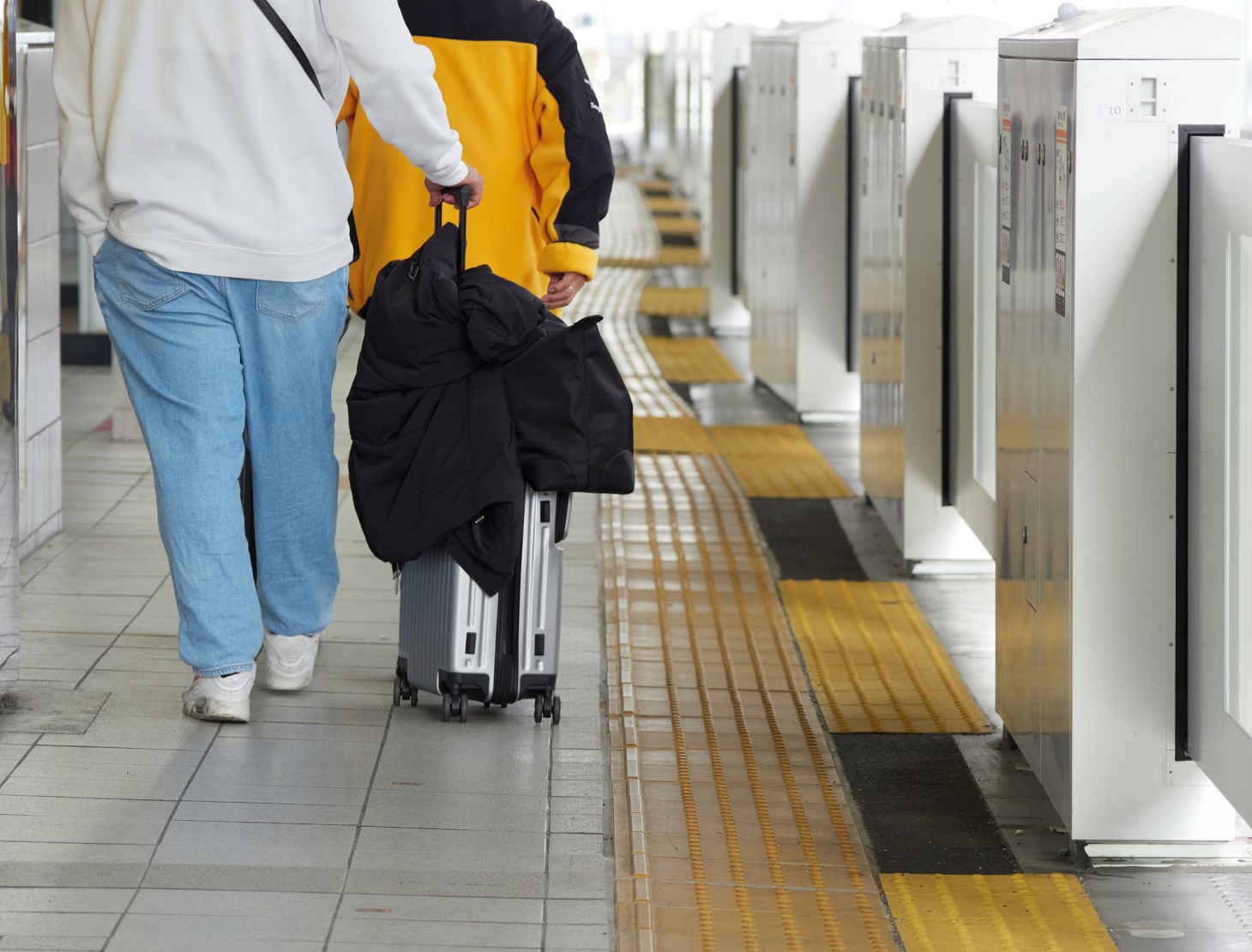
"KOUNOTORI" Stations Served
Main Stops
- Shin-Osaka Station
- Osaka Station
- Amagasaki Station
- Takarazuka Station
- Sanda Station
- Sasayamaguchi Station
- Fukuchiyama Station
- Toyooka Station
- Kinosaki Onsen Station
The stations a train stops at may vary. Please check the stations your train stops at on Ekitan or the railway company's official website.
"KOUNOTORI" Fare
Representative Section Fare
| Section | Total Fare (Adult, Estimated) | Basic Fare Ticket | Limited Express Surcharge |
|---|---|---|---|
| Shin-Osaka Station to Fukuchiyama Station | Please check the latest fares on Ekitan or the railway company's official website. | The total of the Basic Fare Ticket and the Limited Express Surcharge according to the seat type. | Limited Express Surcharge Ticket, etc. |
Breakdown of Basic Fare Ticket and Limited Express Surcharge
The fare for the "KOUNOTORI" train is the sum of the basic fare to your destination and the limited express surcharge. When purchasing your ticket, make sure you have both the basic fare ticket and the limited express surcharge. JR's limited express surcharges are set according to the distance traveled, and the amount may vary depending on whether it is a regular season, high season, or off-peak season. The fare is divided into the "basic fare" for the journey to your destination and the "limited express surcharge" for riding the limited express train. You must purchase both to ride the limited express train, so please note that you cannot ride the limited express train with just a basic fare ticket.
e5489 (Internet Reservation) Discount
JR West's online reservation service, "e5489," sometimes offers discounted tickets. Booking early may allow you to purchase discounted tickets. Some products also support ticketless service, allowing you to board without receiving a paper ticket. Many travel packages to Kinosaki Onsen are available, including accommodation.
How to Buy Tickets for the "KOUNOTORI" Train
e5489 (Internet Reservation)
JR West's internet reservation service, "e5489," allows you to purchase reserved seats using a credit card. Reserved seats go on sale one month prior to the travel date at 10:00 AM. Some products are also available with ticketless service. When making a reservation, you specify the travel date, route, train name, and number of passengers, and then select your seats. In addition to credit cards, cash is also accepted depending on the purchase method. Changes and refunds after booking are subject to conditions and fees.


Midori-no-madoguchi Ticket Machines and Midori-no-madoguchi
You can purchase reserved seat limited express tickets at the Midori-no-madoguchi ticket machines and Midori-no-madoguchi at train stations. If you wish to use a reserved seat in an ordinary car, you only need to purchase a basic fare ticket and a reserved seat limited express ticket. Ticket machines often support multiple languages, making them easy to use even if you don't understand Japanese. At the ticket office, simply tell the staff your destination and desired departure time, and they will guide you to the appropriate train. Ticket offices can get crowded during high season, so it's best to go with plenty of time to spare.
Travel Agencies
Major travel agencies offer travel packages that combine accommodation in Kinosaki Onsen with train travel.
How to Buy for Foreign Tourists
The "KOUNOTORI" is a JR West train, so it can be used with the JAPAN RAIL PASS or Kansai Area Passes. Even when using a pass, you will need to obtain a separate seat reservation ticket if you wish to use a reserved seat. Some stations offer foreign language assistance at their ticket offices. Special tickets for international tourists may have limited purchase conditions and sales locations, so it is advisable to check before traveling.
Is a Physical Ticket Required?
If you use the "e5489" ticketless service, you can board the train without receiving a paper ticket. If you purchase your ticket at a Midori-no-madoguchi ticket machine or ticket office, you will need to receive a paper limited express ticket before boarding. If you do receive a paper ticket, it is best to do so with plenty of time to spare, rather than right before boarding. Tickets cannot be reissued if lost, so please keep them safe during your journey.
Can IC Cards or Credit Card Contactless Payments Be Used?
Within the ICOCA area around Osaka, you can use a transportation IC card for the train fare portion. However, some sections of the Fukuchiyama Line and San'in Main Line may be outside the IC card area. Transportation IC cards can sometimes be used across regions through the nationwide interoperability service. However, the usable area is determined by each railway company, so be sure to check in advance whether your journey is within their area.
Contactless payment via credit card is not available for boarding at ticket gates.
*Please note that you cannot ride the limited express train using only your IC card. A limited express surcharge must be purchased separately.
"KOUNOTORI" Seating Information
Seat Type
The "KOUNOTORI" is operated using 287 and 289 series electric trains and is an all-reserved-seat limited express train consisting of Green Car Reserved Seats and Ordinary Car Reserved Seats. There are no unreserved seats. During high season and crab season, seats fill up quickly, so it is best to book early once your travel dates are decided. When booking, you may be able to choose between window and aisle seats. If you want to sit together with your travel companions, booking together makes it easier to secure adjacent seats.
| Seat Type | Content |
|---|---|
| Green Car Reserved Seat | Spacious premium seats |
| Ordinary Car Reserved Seat | Standard 2+2 row seating |
Distinctive Seating
The 287 series is a limited express train characterized by its bright and open interior. The 289 series is a modified version of a former limited express train used in the Hokuriku region, and features a more subdued interior. The seats are equipped with reclining functions, ensuring a comfortable ride. The train cars used vary depending on the service, so there may be differences in amenities. Window seats are suitable for those who want to enjoy the scenery, while aisle seats are suitable for those who prioritize ease of boarding and alighting. For long journeys, it is recommended to check the seat location in advance and make a reservation for a more comfortable experience.
Large Luggage Storage Area
Luggage racks may be provided at the ends of the train cars.
Barrier-Free Facilities
Wheelchair-accessible seating is available within the train. If you wish to use it, we recommend contacting a JR West ticket office in advance. Multipurpose rooms and wheelchair-accessible facilities may vary depending on the train car and train set.
Ekiben and Onboard Dining on the "KOUNOTORI" Train
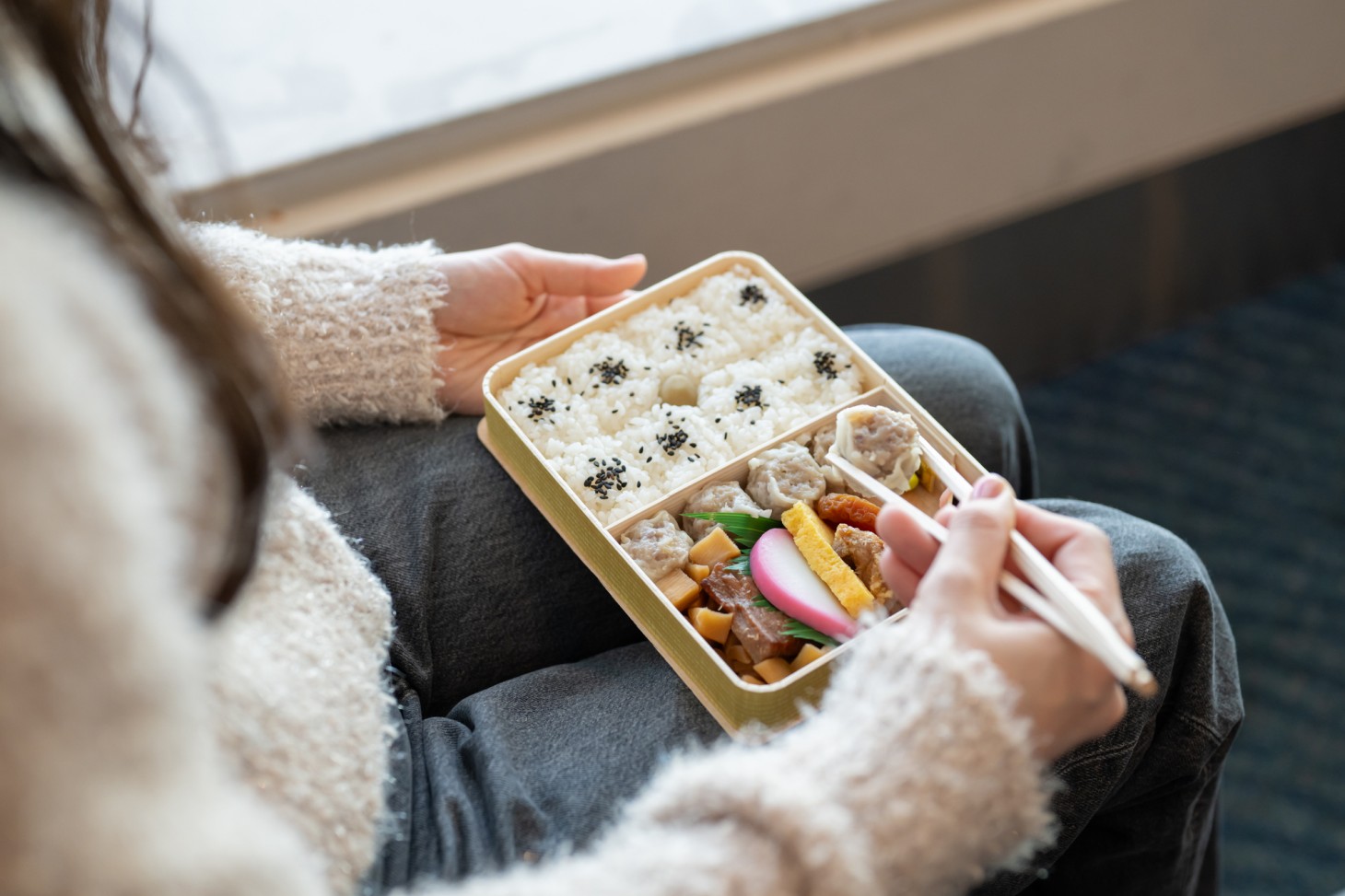
There is no onboard sales service on the "KOUNOTORI" train. If you would like to enjoy a meal, it is recommended to prepare in advance at the Ekiben shops or stalls at Shin-Osaka Station. Kinosaki Onsen is nationally known for its crab dishes in winter. Tajima beef is a representative brand of beef from northern Hyogo Prefecture. Black edamame from Tanba Sasayama is a popular autumn delicacy. Since the shops inside the station may have limited operating hours, it is best to prepare in advance if you are traveling early in the morning or late at night. If you eat or drink on the train, please be considerate of others by avoiding foods with strong odors, etc., to ensure a pleasant experience. Dispose of empty containers and trash in the trash cans on the train or in the trash cans at the station after disembarking.
Points to Note When Riding the "KOUNOTORI"
All seats on the "KOUNOTORI" train are reserved, so please reserve your seat before boarding. There are trains that go directly to Kinosaki Onsen and trains that terminate at Fukuchiyama, so please check your destination. Reserved seats may fill up quickly during high season. You may be able to use the public baths of Kinosaki Onsen for free depending on your accommodation plan. During winter, delays may occur due to snow, so please check the train operation information before boarding. Check the train name, car number, and seat number written on your ticket, and use the luggage racks or overhead compartments above your seat for large luggage so as not to block the aisle.
Since there is no onboard service, if you plan to eat, be sure to prepare before boarding. Checking the train schedule on a site like Ekitan before boarding will help you calmly deal with delays or cancellations.
Summary
The "KOUNOTORI" is a JR West limited express train connecting Shin-Osaka Station with Fukuchiyama Station and Kinosaki Onsen Station. It provides direct access from the Kansai area to Kinosaki Onsen without transfers. A trip to Kinosaki Onsen, where you can enjoy visiting the public baths in a yukata, begins with this train.
Enjoy a tour of Tajima's hot springs aboard the "KOUNOTORI" train, which heads towards the hot spring town lined with willow trees.

The information on this website is based on content available at the time of publication. We do not guarantee its accuracy or timeliness. The content may include advertisements or promotions, and we are not responsible for any external websites linked from this site.