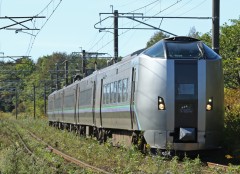
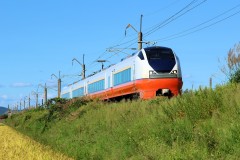
"Kaiji" Limited Express Timetable, Fares, and How to Buy Tickets
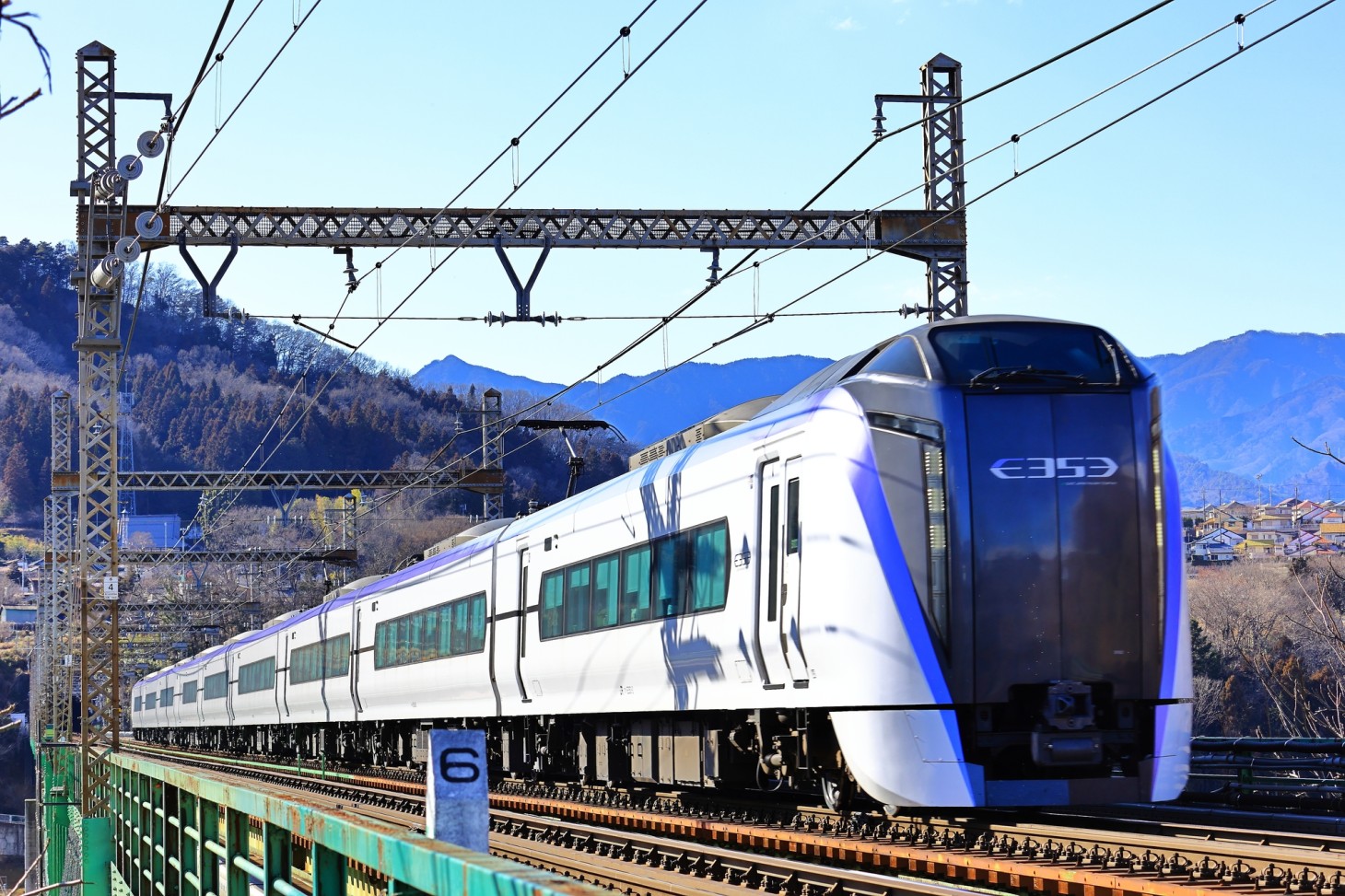
This article provides a comprehensive overview of JR East's "Kaiji" limited express train, which connects Shinjuku/Tokyo Stations with Kofu/Ryuo Stations. It includes timetables, fares for representative routes, stations served, seating information, ticket purchasing procedures, ticket issuance requirements, and IC card compatibility. This train, popular as a supplementary limited express for accessing Yamanashi Prefecture and complementing the "Azusa" service, highlights key points to consider before your trip.
*The timetable and fares are based on information as of March 2026.
*The information in this article is current as of July 2026. Operating days, timetables, fares, sales conditions, and purchase methods may change. Please check the latest information on Ekitan or the railway company's official website before use.
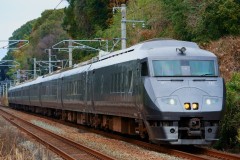
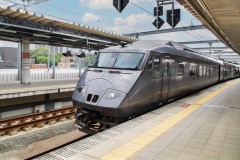
The "Kaiji" is a JR East limited express train connecting Shinjuku/Tokyo Station with Kofu/Ryuo Station in Yamanashi Prefecture. The train's name comes from "Kaiji," meaning the road along the old province of Yamanashi Prefecture, "Kai." It is operated using the same E353 series train as the "Azusa," and is mainly used for both commuting and sightseeing, connecting Tokyo/Shinjuku with Yamanashi Prefecture. All seats are reserved, so advance seat reservations are required to board. When a large number of express trains on the Chuo Main Line were upgraded to limited express trains in the November 1986 timetable revision, the Kaiji was positioned as a service to complement the "Azusa."
| item | Content |
|---|---|
| train name | "Kaiji" |
| Operating company | JR East |
| Main operating sections | Shinjuku Station/Tokyo Station to Kofu Station/Ryuo Station (via Chuo Main Line) |
| Main starting and ending stations | Shinjuku Station/Tokyo Station / Kofu Station/Ryuo Station |
| Number of trains running | More than ten round trips per day |
| Estimated time required | Shinjuku to Kofu: Approximately 1 hour 30 minutes |
| seat | All seats are reserved (reserved seats in ordinary cars and Green Cars). |
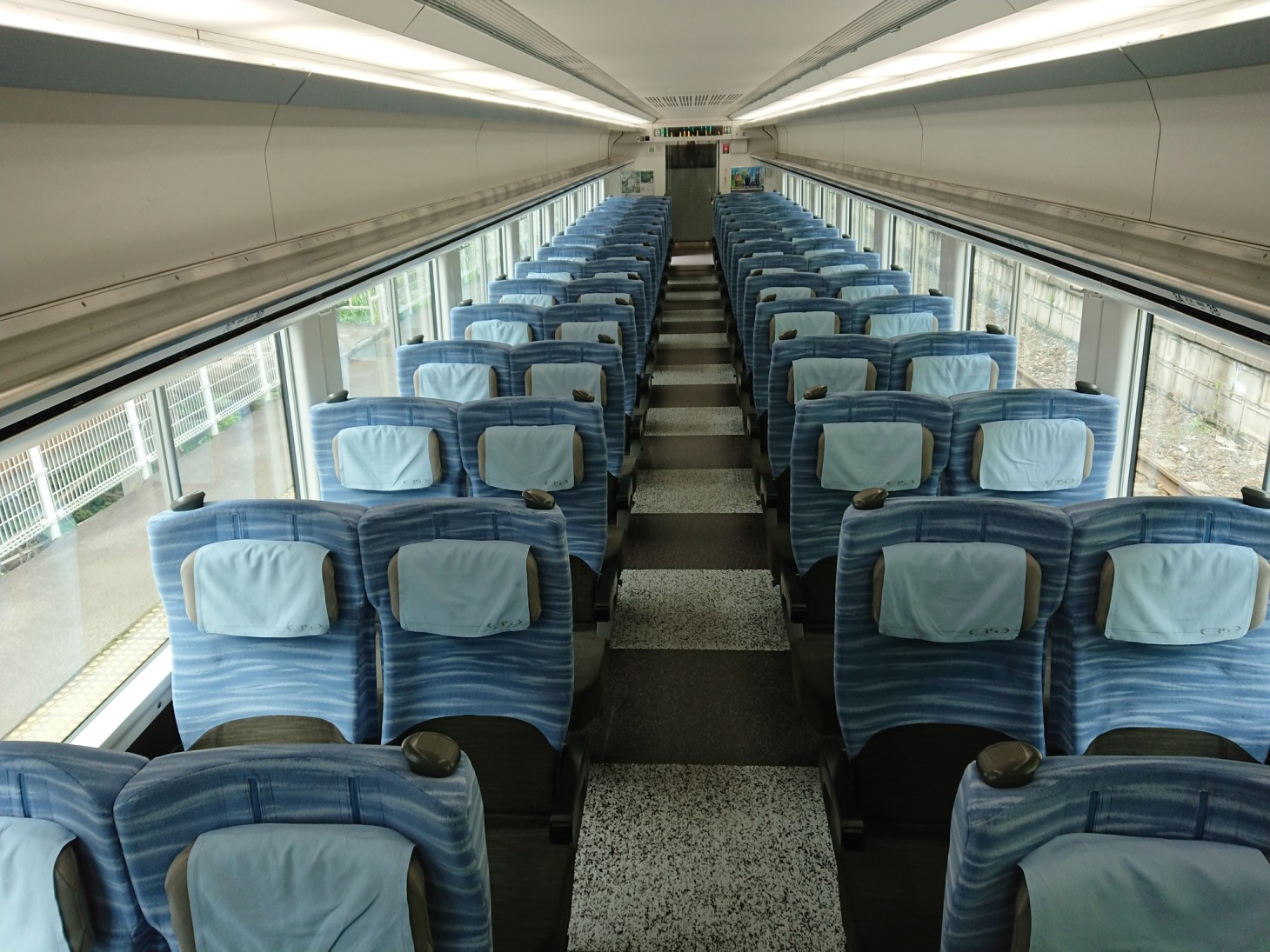
 table of contents
- What is "Kaiji"?
- Kaiji train timetable
- "Kaiji" operating section
- Stations where the "Kaiji" train stops
- "Kaiji" fare
- How to buy tickets for "Kaiji"
- Do I need to get a physical ticket?
- Can I use contactless payment with an IC card or credit card?
- Seat information for "Kaiji"
- Enjoy ekiben (station bento boxes) and in-train gourmet food on the "Kaiji" train.
- Points to note when riding the "Kaiji" train.
- summary
What is "Kaiji"?
The "Kaiji" is a JR East limited express train connecting Shinjuku/Tokyo stations with Kofu/Ryuo stations in Yamanashi Prefecture. While the "Azusa" provides express service to Matsumoto and Hakuba, the "Kaiji" plays a complementary role, providing frequent service within Yamanashi Prefecture. The train uses the same E353 series electric train as the "Azusa," and some services are coupled and uncoupled with the Fujikyu Railway's limited express "Fuji Excursion" at Otsuki Station. The name "Kaiji" means the road leading to Kai Province (present-day Yamanashi Prefecture).
Train features and popular points
The appeal of the "Kaiji" train lies in its convenience, offering direct access from Shinjuku and Tokyo to Yamanashi Prefecture without transfers. With more stops than the "Azusa" train, it's also convenient for passengers traveling from various stations within Yamanashi Prefecture. The E353 series train employs an air-spring body tilting system, providing a natural and smooth ride even on the winding Chuo Main Line. All seats are equipped with power outlets and tables, making it suitable for business travelers. During rush hour, it also meets the demand for seated commuters, and is utilized by commuters from Yamanashi Prefecture to central Tokyo.
Kaiji train timetable
*The "Kaiji" train operates more than ten round trips a day, mainly departing from and arriving at Shinjuku and Tokyo stations.
Southbound (towards Kofu/Ryuo) timetable
| Stations | Example 1 | Example 2 |
|---|---|---|
| Departing from Shinjuku | morning | afternoon |
| Departing from Hachioji | ― | ― |
| Departing from Otsuki | ― | ― |
| Arrived in Kofu | Approximately 1 hour and 30 minutes later | Approximately 1 hour and 30 minutes later |
*Some trains operate all the way to Ryuo Station.
Timetable for northbound trains (towards Shinjuku/Tokyo)
| Stations | Example 1 | Example 2 |
|---|---|---|
| Dragon King | 7:12 | ― |
| Departing from Kofu | ― | ― |
| Departing from Otsuki | ― | ― |
| Arrived in Shinjuku | Approximately 1 hour and 40 minutes later | Approximately 1 hour and 30 minutes later |
*This is a representative example.
The "Kaiji" train operates more than ten round trips a day, mainly around Shinjuku and Tokyo stations. Some trains terminate at Kofu Station, while others continue on to Ryuo Station. The stations it stops at vary depending on the train, and all trains pass through Uenohara Station. Some trains are coupled and uncoupled with the "Fuji Excursion" at Otsuki Station, and from Otsuki Station onward, the three cars continue on the Fujikyu Railway Line as a single unit.
Important information regarding operating days and days when the service is suspended.
The "Kaiji" train operates daily throughout the year. The express fare is the same year-round, without distinction between off-peak and peak seasons. However, cancellations and delays may occur due to severe weather or equipment maintenance, so it's a good idea to check the daily service information. Some sections are susceptible to the effects of heavy snowfall, so please pay close attention to the daily service information during the winter months.
"Kaiji" operating section
Main sections
- Shinjuku Station to Kofu Station (via the Chuo Main Line)
- Tokyo Station to Kofu Station (via the Chuo Main Line)
- Shinjuku Station/Tokyo Station to Ryuo Station
Kofu Station is located in the capital city of Yamanashi Prefecture and serves as a base for sightseeing to Takeda Shrine, associated with Takeda Shingen, and Shosenkyo Gorge. Ryuo Station is located in a commuter town near Kofu City and is a busy station used by commuters and students.
Stations where the "Kaiji" train stops
Main stops
- Shinjuku Station
- Tokyo Station (for some trains)
- Hachioji Station
- Otsuki Station
- Yamanashi City Station (some trains)
- Shioyama Station (some trains)
- Katsunuma Budokyo Station (some trains)
- Kofu Station
- Ryuo Station (some trains)
*The number of stops varies depending on the train.
"Kaiji" fare
Representative section fare
| section | Total price (adult) | train ticket | Express train fare |
|---|---|---|---|
| Shinjuku Station to Kofu Station | 3,890 yen | 2,310 yen | 1,580 yen |
| Shinjuku Station to Otsuki Station | 2,660 yen | 1,340 yen | 1,320 yen |
*Actual fares may vary depending on the section of travel and the purchase method. Please check the latest fares on Ekitan or the railway company's official website.
Breakdown of train ticket and express train fare
The fare for the "Kaiji" train is the sum of the basic fare to your destination and the limited express surcharge. For the same section, the fares for "Azusa" and "Kaiji" are the same. There are also unreserved seat tickets available for ordinary cars, which can be used for the same price as a reserved seat limited express ticket. Since all seats on the "Kaiji" are reserved, there is no unreserved seat fare. If you purchase a limited express ticket on board, the onboard fare will be the advance fare plus 260 yen.
Unassigned seat ticket and Green Car (first class)
Unreserved tickets can be purchased for the same price as reserved seat express tickets, and after boarding, you should use the seat with the red (empty) lamp above it. If you wish to use the Green Car (Car No. 9), you will need to pay the Green Car fare in addition to the reserved seat fare for the ordinary car.
How to buy tickets for "Kaiji"
Ekinet (Internet reservation)
JR East's online reservation service, "Ekinet," allows you to purchase ticketless express train tickets using a credit card. "Ekinet Ticketless Discounts" may be available, and depending on the train, route, and time of year, discounted tickets may be available for early purchases. Express train tickets generally go on sale one month prior to the travel date. Membership registration is free, and you can check seat availability and make reservations from your smartphone.

Reserved seat ticket machines and ticket counters
You can purchase limited express tickets from one month before your travel date at the designated seat ticket machines and ticket counters at the station. Unassigned seat tickets can also be purchased at the same counters and machines.
Purchase on board
While it is possible to purchase an express ticket from the conductor on board after boarding, the onboard fare will be the same as the price paid if purchased in advance at the station, plus 260 yen.
How to buy for foreign tourists
The "Kaiji" train is operated by JR East, so it may be usable with the JAPAN RAIL PASS or some other JR East passes. If using a pass, it is recommended to reserve your seat before boarding for a smoother experience.
*Please pay attention to the conditions for applying the pass.
Do I need to get a physical ticket?
If you complete the credit card payment using the "Ekinet" ticketless service, you can board the train by linking your smartphone screen or transportation IC card. If you purchase tickets at a designated seat ticket machine or at a Midori-no-Madoguchi (ticket office), you will need to receive a paper limited express ticket before boarding.
Can I use contactless payment with an IC card or credit card?
Parts of the "Kaiji" train's operating section, such as the section between Shinjuku Station and Otsuki Station in the Tokyo metropolitan area, are included in the Suica area, and the basic fare can be paid using a transportation IC card to pass through the ticket gates. Kofu Station and Ryuo Station are also included in the Suica area, but the limited express fare cannot be paid using the balance on the IC card and must be purchased as a limited express ticket in advance.
On the routes served by the "Kaiji" train, contactless payment via credit card is not available at ticket gates.
Seat information for "Kaiji"
Seat type (All seats are reserved)
The "Kaiji" train is operated using E353 series trains and consists of reserved ordinary seats and Green Car (Car No. 9). There are no unreserved seats.
| Seat type | Content |
|---|---|
| Ordinary car reserved seat | Standard 4-row seating, with power outlets and tables at every seat. |
| Unassigned seat ticket | The price is the same as a reserved seat in a regular car; use an empty seat with a red light above the seat. |
| Green Car | Car No. 9, premium seats with footrests |
| Unreserved seat | None (All seats are reserved) |
Distinctive seating
The E353 series trains used for the "Kaiji" service are the same as those used for the "Azusa" service. All seats are equipped with tables large enough to hold a laptop and power outlets, making them suitable for commuting and business use. Some services are coupled with and uncoupled from the "Fuji Excursion" service at Otsuki Station, so some passengers can be seen transferring to trains heading towards Mount Fuji. The interior concept is based on the "purity" of the Southern Alps and the Azusa River, creating a calm atmosphere similar to that of the "Azusa" service.
Large luggage storage area
The train is equipped with a large luggage storage area, accommodating travelers with large items such as suitcases.
Barrier-free facilities
The E353 series trains are equipped with barrier-free facilities. However, the availability of wheelchair-accessible seats varies by car, so if you wish to use them, it is recommended that you consult with JR East's ticket counter or telephone reservation center in advance.
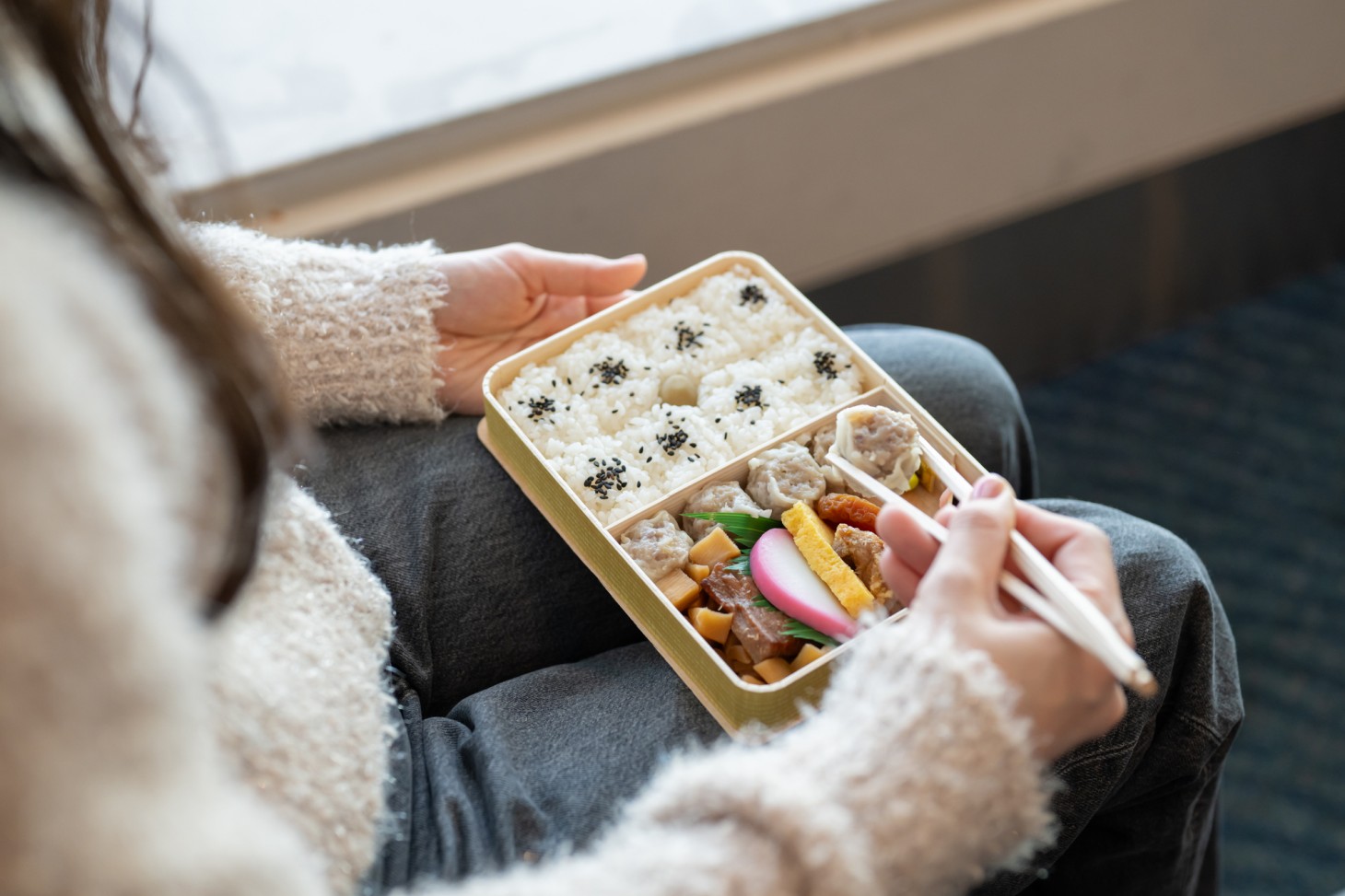
Enjoy ekiben (station bento boxes) and in-train gourmet food on the "Kaiji" train.
On the "Kaiji" train, in-car sales service ended in March 2021. If you want to enjoy a meal, it is recommended to prepare in advance at bento box shops or stalls around Shinjuku, Tokyo, or Kofu stations. Around Kofu station, there are plenty of restaurants where you can enjoy local Yamanashi cuisine such as hoto noodles. There are also many bento box shops and restaurants around Shinjuku and Kofu stations, making it convenient for shopping before boarding.
*Onboard sales are not available. Operating hours for station shops and restaurants may change.
Points to note when riding the "Kaiji" train.
Since all seats on the "Kaiji" train are reserved, it is recommended to make a reservation as early as possible if you have decided on your travel date. Some trains are coupled with and uncoupled from the "Fuji Excursion" train at Otsuki Station, so be careful not to board the wrong car. Also, there are trains that depart from and arrive at Tokyo Station and trains that depart from and arrive at Shinjuku Station, so it will be smoother if you check which station your train departs from before boarding.
Since there is no onboard service, please prepare any meals you plan to eat before boarding. If you are using an unassigned seat ticket, you may not be able to find a seat if the train is full, so we recommend reserving a seat in advance, especially during peak seasons.
summary
The "Kaiji" is a limited express train with all reserved seats, connecting Shinjuku/Tokyo Station with Kofu/Ryuo Station, making it a convenient way to travel to the Yamanashi area. It offers direct access from Shinjuku to Kofu, and is a major mode of transportation for visiting Kofu Castle Ruins, Shosenkyo Gorge, Isawa Onsen, and the wineries of Katsunuma. It has both reserved ordinary seats and Green Car seats, and requires both a basic fare ticket and a reserved seat limited express ticket. Please make reservations in advance through Ekinet or reserved seat ticket machines, and confirm the train's departure station, stops, and whether it connects with the Fuji Kaiyu service.
Since many tourist destinations beyond Kofu Station and Isawa Onsen Station require the use of local buses or taxis, checking local transportation schedules will allow you to tour the area efficiently.

The information on this website is based on content available at the time of publication. We do not guarantee its accuracy or timeliness. The content may include advertisements or promotions, and we are not responsible for any external websites linked from this site.