"IYONADA MONOGATARI" Timetable, Fares, and How to Buy Tickets
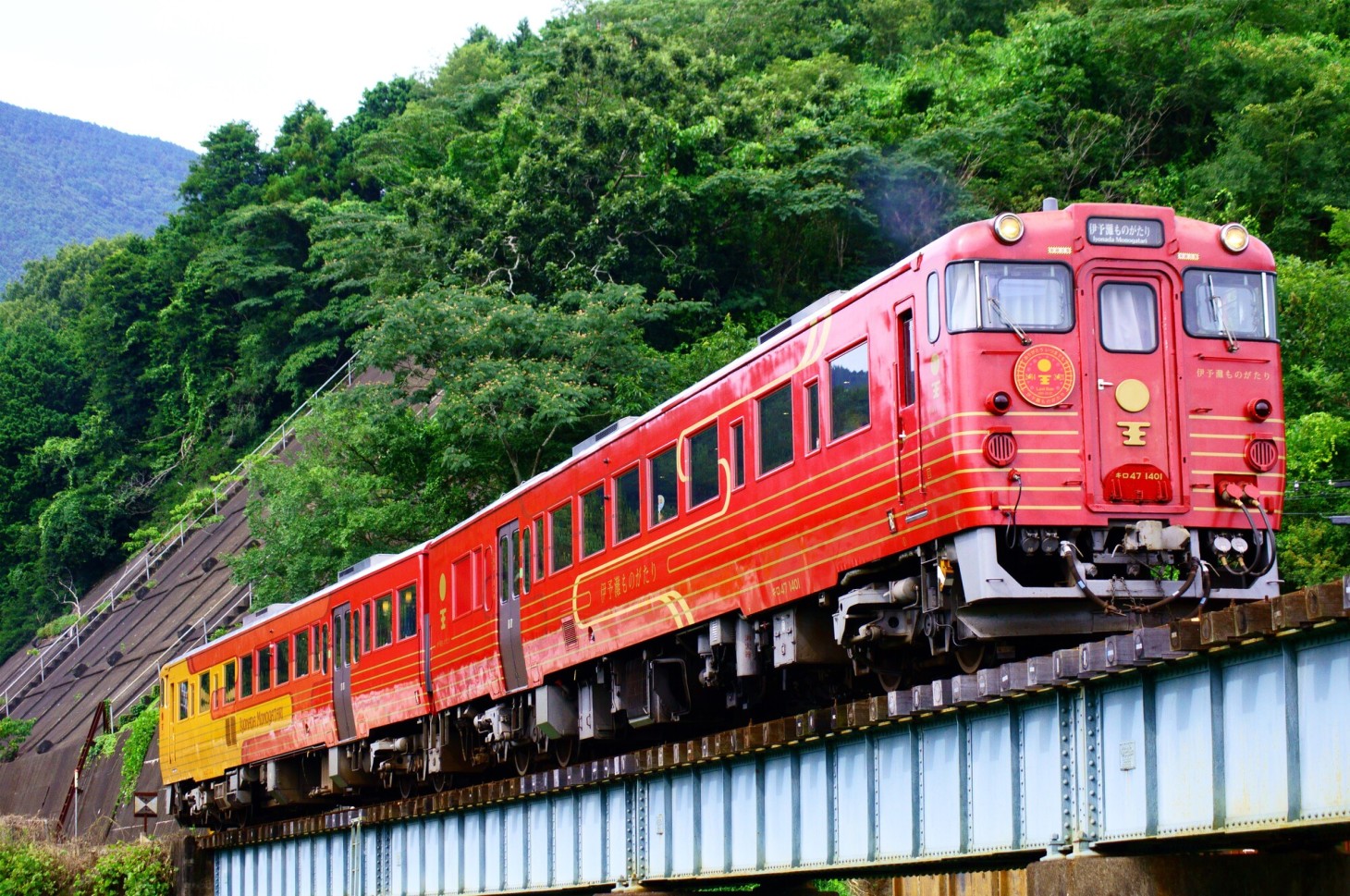
This article provides a comprehensive overview of the JR Shikoku sightseeing train "IYONADA MONOGATARI," which connects Matsuyama Station and Yawatahama Station. It includes timetables, fares for representative sections, stations where the train stops, seating information, ticket purchasing procedures, ticket issuance requirements, and IC card compatibility. This highly popular sightseeing train offers breathtaking views of the beautiful sunsets over the Iyonada Sea, and this article summarizes key points to check before your trip.
The information in this article is current as of July 2026. Operating days, timetables, fares, and ticket sales conditions may change, so please check the latest information on Ekitan or the railway company's official website before using the service.
The "IYONADA MONOGATARI" is a JR Shikoku sightseeing train that debuted in July 2014, connecting Matsuyama Station with Iyo-Ozu Station and Yawatahama Station via the JR Yosan Line and the Ai-aru Iyonada Line. Operated with specially modified diesel railcars, the train offers breathtaking views of sunsets and the numerous islands of the Seto Inland Sea along the Iyonada coast. All seats are reserved and equivalent to Green Car seats. More than 10 years after its launch, it continues to be a highly popular sightseeing train representing Shikoku, attracting visitors from both Japan and abroad. The dedicated train cars are modified Kiha 47 series railcars, featuring a warm interior with extensive use of wood. The onboard attendants' commentary along the route is also highly regarded and contributes to the overall satisfaction of the journey. Item Content Train Name "IYONADA MONOGATARI" Operating Company JR Shikoku Main Operating Sections Matsuyama Station to Iyo-Ozu Station/Yawatahama Station (via JR Yosan Line and Ai-aru Iyonada Line) Main Starting and Ending Stations Matsuyama Station / Iyo-Ozu Station / Yawatahama Station Number of Trains Running Limited operating days, approximately 2 trips per day. Travel Time Matsuyama to Yawatahama: Approximately 2 hours Seat Reserved seats in standard class (fare structure equivalent to Green Car) 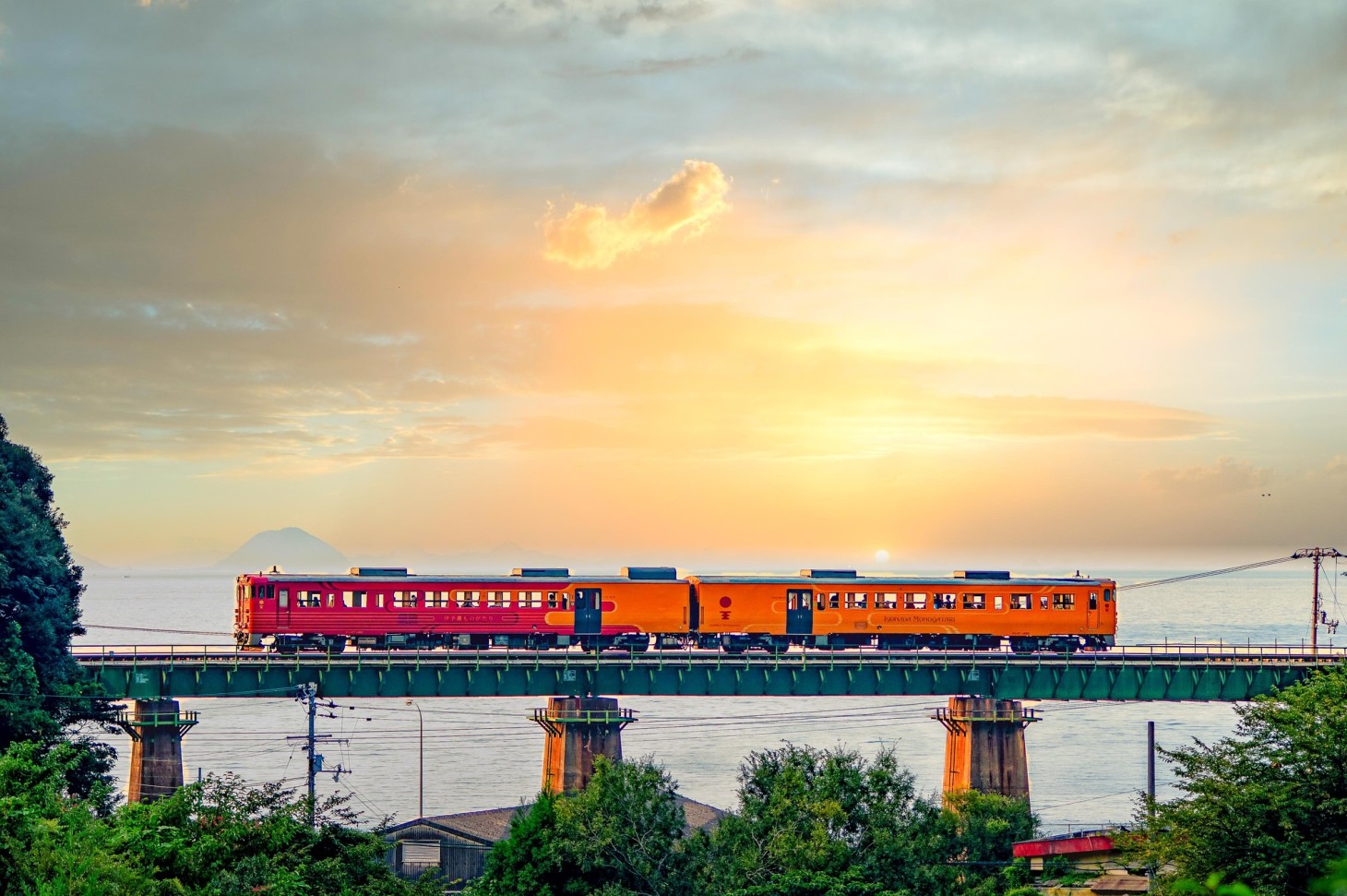
 Table of Contents
- What is "IYONADA MONOGATARI"?
- Timetable for "IYONADA MONOGATARI"
- Operating Section of "IYONADA MONOGATARI"
- Stations where the "IYONADA MONOGATARI" Train Stops
- Fares for "IYONADA MONOGATARI"
- How to Buy Tickets for "IYONADA MONOGATARI"
- Do I need to get a physical ticket?
- Can I use contactless payment with an IC card or credit card?
- Seating Information for "IYONADA MONOGATARI"
- Enjoy Ekiben (Station Bento Boxes) and In-Train Gourmet Food on the "IYONADA MONOGATARI" Train.
- Points to Note When Riding the "IYONADA MONOGATARI" Train.
- Summary
What is "IYONADA MONOGATARI"?
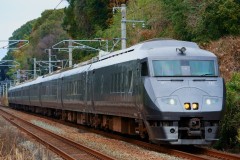
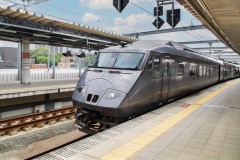
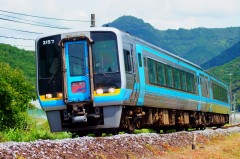
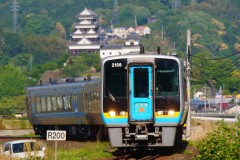
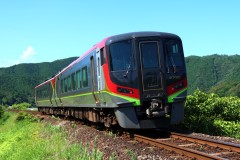
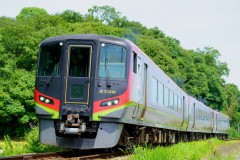
The "IYONADA MONOGATARI" is a representative sightseeing train of JR Shikoku, which debuted on July 26, 2014. It connects Matsuyama in Ehime Prefecture with Yawatahama, Iyo-Ozu, and Uwajima, areas known for their mandarin orange production. On the "Ai-aru Iyonada Line" section, which runs along the Iyonada Sea, passengers can enjoy the spectacular view of the sunset over the Seto Inland Sea. There are two types of train formations, the "Ozu formation" and the "Yawatahama formation," which are used depending on the route. The "Ai-aru Iyonada Line" is named as the nickname for the coastal route of the JR Yosan Line (the section that does not go via the Uchiko Line). The exterior of the train uses a blue-based color scheme that is inspired by the blue sea of the Iyonada Sea.
Train Features and Popular Points
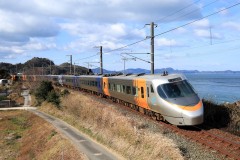
The greatest appeal of the "IYONADA MONOGATARI" is the spectacular views of the Seto Inland Sea visible as it runs along the Iyonada coast, and especially the beautiful sunsets seen on the evening trains. Shimonada Station is known as a station with a spectacular view located right by the sea, and it has become a popular photo spot visited by many railway enthusiasts and tourists. Onboard the specially equipped train cars, meal plans using local ingredients are also offered, further enhancing the enjoyment of the journey. The "Ozu formation" is designed to evoke the image of Iyo-Ozu and the castle town of Ozu, while the "Yawatahama formation" is designed to evoke the scenery of mandarin orange groves and port towns. Shimonada Station is a station with a spectacular view that is well-known throughout Japan, and has often been used as a filming location for youth movies and dramas. On the morning trains, you can enjoy the view of the Iyonada Sea illuminated by the morning sun, and on the evening trains, you can enjoy the view of the sea dyed in the sunset, allowing you to enjoy different charms depending on the time of day. It is supported by a wide range of people, from couples seeking a romantic trip to travelers visiting as a pilgrimage site for railway enthusiasts.
Timetable for "IYONADA MONOGATARI"
Southbound (Towards Yawatahama/Uwajima) Timetable
| Stations | Example |
|---|---|
| Departing from Matsuyama | AM to PM |
| Departing from Shimonada | ― |
| Arriving at Yawatahama/Uwajima | Approximately 2 hours later |
Northbound (Towards Matsuyama) Timetable
| Stations | Example |
|---|---|
| Departing from Yawatahama/Uwajima | AM to PM |
| Departing from Shimonada | ― |
| Arrival at Matsuyama | Approximately 2 hours later |
The "IYONADA MONOGATARI" train operates approximately twice a day on its operating days. Destinations and routes may vary depending on the service; for example, morning services head towards Yawatahama and Ozu, while afternoon services head towards Uwajima. The service that runs along the Iyonada coast during sunset is particularly popular.
Important Information Regarding Operating Days and Service Suspensions
The "IYONADA MONOGATARI" is a sightseeing train with limited operating days. It mainly operates on Fridays, Saturdays, Sundays, and public holidays, and details can be found on the JR Shikoku official website. In case of severe weather, service may be suspended on the Iyonada Line section, so it is advisable to check the operating information for the day beforehand.
Operating Section of "IYONADA MONOGATARI"
Main Sections
- Matsuyama Station to Iyo-Ozu Station/Yawatahama Station (via the JR Yosan Line and Ai-aru Iyonada Line)
- Matsuyama Station to Uwajima Station (partial route)
Shimonada Station is a scenic station often called "Japan's closest station to the sea," with the Seto Inland Sea stretching out just beyond the platform. Yawatahama Station is the central station of a port town known for its oranges and fish market, while Uwajima Station is the central station of the Nanyo region, known for Uwajima Castle and bullfighting. Iyo-Ozu is also known as "Little Kyoto of Iyo," and is famous for the beautiful scenery of Ozu Castle and its castle town. Ozu Castle is known for its wooden reconstructed keep and is also a famous cherry blossom viewing spot, selected as one of Japan's 100 best cherry blossom viewing spots. Uwajima Castle is one of the 12 remaining original castle keeps, and from the keep you can enjoy a panoramic view of the beautiful Uwa Sea. The area around Iyo City is also known as a production area for citrus fruits such as lemons, and you can see terraced fields from the train window.
Stations where the "IYONADA MONOGATARI" Train Stops
Main Stops
- Matsuyama Station
- Iyo City Station
- Shimonada Station
- Iyo-Ozu Station
- Yawatahama Station
- Uwajima Station (some routes)
Access to Shimonada Station, Yawatahama, and Dogo Onsen
Shimonada Station is known for its scenic views of the Iyo Sea, but public transportation and shops around the station are limited. Check whether you can get off the train midway and the next train schedule, and if your goal is to see the sunset, be sure to prepare transportation after sunset. From Yawatahama Station, you can travel to Yawatahama Port by local bus or taxi and connect to ferries bound for Kyushu. If you are visiting Dogo Onsen starting from Matsuyama Station, you will need to use the city tram or bus. Combining Dogo Onsen, Matsuyama Castle, and the Iyo Sea coast makes for an itinerary that allows you to enjoy both train travel and hot springs.
Fares for "IYONADA MONOGATARI"
Representative Section Fares
| Section | Total Fare (Adult, Estimated) | Basic Fare Ticket | Green Car Fare Equivalent |
|---|---|---|---|
| Matsuyama Station to Yawatahama Station | A basic fare ticket, limited express ticket, and Green Car ticket are required. Please check the latest fares on Ekitan or the JR Shikoku official website. | ― | ― |
Breakdown of Tickets and Fares
To ride the "IYONADA MONOGATARI," you will need a basic fare ticket, a limited express ticket, and a Green Car ticket. All seats are reserved Green Car seats; there are no unreserved seats.
Meal Plan Fares
If you choose to use the advance-reservation meal plan (breakfast, sweets, bento box, etc., varies depending on the service), you will need to pay for the meal in addition to the train ticket and seat fare. These plans are very popular and can fill up quickly. Yawatahama Port is known as one of Shikoku's leading fish markets, attracting many people seeking fresh seafood. Yawatahama mandarins are known for their high sugar content, cultivated using methods that take advantage of the warm climate and sloping terrain. Uwajima is also known for its bullfighting culture, and "Uwajima Bullfighting" is still passed down as a traditional event rich in local character.
Recommended 1-Night, 2-Day Itinerary
On the first day, you will sightsee Matsuyama Castle and Dogo Onsen and stay overnight in Matsuyama city. On the second day, you will board the "IYONADA MONOGATARI" train and head towards Ozu and Yawatahama, enjoying the scenery of the Iyonada Sea and a pre-booked meal. In Ozu, you can combine a visit to the castle town and Garyu Sanso, and in Yawatahama, you can enjoy seafood dishes in the port town. The boarding and alighting stations differ depending on the train route, so please decide on your accommodation and luggage storage location according to your booked train.
How to Buy Tickets for "IYONADA MONOGATARI"
Midori-no-madoguchi and Major Travel Agencies
Tickets for the "IYONADA MONOGATARI" train, including limited express tickets and Green Car tickets, can be purchased at Midori-no-madoguchi nationwide and major travel agencies. Please check the JR Shikoku official website for sales conditions and meal reservation methods.
Reserved Seat Ticket Machines and Ticket Offices
You can purchase train tickets, limited express tickets, and Green Car tickets at ticket offices such as the Midori-no-madoguchi. All seats are reserved, so please reserve your seat before boarding.
Travel Agencies
Major travel agencies also offer tour packages that include reserved seating tickets and meal plans for the "IYONADA MONOGATARI" train.
How to Buy for Foreign Tourists
The "IYONADA MONOGATARI" train consists entirely of reserved Green Car seats. Even when using a JR Pass, depending on the type of pass, you may need to purchase additional tickets such as limited express tickets and Green Car tickets. Please check the applicable sections and additional charges in advance.
Procedures for Booking Passes and Meals for Foreign Tourists
First, secure your train ticket, limited express ticket, and Green Car ticket at a Midori-no-madoguchi or major travel agency, and confirm your seat number. Next, if you wish to have a meal, make a reservation by the application deadline using the reservation method specified by JR Shikoku. You cannot board the train with just a meal reservation. Even if you are using the ALL SHIKOKU Rail Pass or JR Pass, additional charges may be required for Green Car reserved seats or sightseeing trains, so present your pass and purchase the necessary tickets. For electronic meal vouchers, check your internet connection and battery level so that you can present them on your smartphone on the day of travel.


Do I need to get a physical ticket?
If you purchased your ticket at a ticket office or travel agency, you will need to receive a paper ticket before boarding. If you have a meal reservation voucher, please pick it up using the method specified.
Can I use contactless payment with an IC card or credit card?
When riding the "IYONADA MONOGATARI," you will need separate tickets for the basic fare and the special car fare. While transportation IC cards such as ICOCA can be used as the basic fare in some sections around Matsuyama, much of the Ai-aru Iyonada Line is outside the IC card usage area. The special car fare cannot be paid using the balance on an IC card and must be purchased as a separate ticket in advance.
Contactless payment via credit card is not available for boarding this train on its route.
Seating Information for "IYONADA MONOGATARI"
Seat Type (All Seats Reserved, Equivalent to Green Car)
The "IYONADA MONOGATARI" train consists entirely of reserved Green Car seats. There are no unreserved seats.
| Seat Type | Content |
|---|---|
| Reserved Seat | Wood-grain interior, seats facing the sea. |
| Counter Seats | A space where you can relax while looking out the window. |
| Unreserved Seat | None (All seats are reserved) |
Distinctive Seating
The interiors of the "Ozu formation" and "Yawatahama formation" each feature different design concepts. Many seats face the sea, allowing passengers to fully enjoy the spectacular scenery of the Iyo Sea. Some formations use seat fabrics with a calm pattern inspired by Iyo Kasuri (a type of ikat weaving). Some seats are positioned facing the sea, allowing passengers to enjoy the scenery of the Iyo Sea regardless of the direction of travel. The windows are designed to be large, ensuring a clear view of the horizon of the Iyo Sea. The seats, equivalent to those in Green Cars, have a more spacious seat pitch compared to regular rapid and local trains.
Large Luggage Storage Area
There is space provided within the train for storing luggage.
Barrier-Free Facilities
If you are using a wheelchair, please contact JR Shikoku before boarding to confirm available seats and boarding/alighting procedures.
Tips for Enjoying the Scenery and Meals Inside the Car
The view of the Iyo Sea varies depending on the weather, season, and direction of travel. If you take photos during your meal, please keep the table where you place your food and the aisle clear. The announcements from the onboard attendants and the welcomes along the route are also part of the train's charm. Keep large luggage to a minimum and keep only essentials such as your camera, smartphone, and jacket near your seat for a more comfortable journey. On evening journeys, the onboard lighting and the color of your clothing may affect your photos, so try to minimize reflections in the windows.
Enjoy Ekiben (Station Bento Boxes) and In-Train Gourmet Food on the "IYONADA MONOGATARI" Train.
On the "IYONADA MONOGATARI" train, different meal plans (breakfast, sweets, bento boxes, etc.) are available for each trip and require advance reservations. Sweets made with mandarins, a specialty of Ehime Prefecture, and dishes made with local ingredients are popular. Around Uwajima Station, you can also enjoy gourmet food unique to the Nanyo region, such as jakoten (fish cake) and Uwajima tai-meshi (sea bream rice). Uwajima tai-meshi is a local dish unique to Uwajima, where raw sea bream sashimi is mixed with egg yolk sauce and placed on top of rice.
Reserved Meals and the Flavors of Ehime
The pre-ordered meals feature fish, citrus fruits, meat, and vegetables from Ehime Prefecture, and the contents vary from train to train. Since seasonal ingredients and suppliers may change, please check the latest menu on the reservation screen. If you do not order a meal, please check the rules for bringing food and drinks onto the train and prepare snacks and drinks at Matsuyama Station or elsewhere. You can enjoy seafood dishes in Yawatahama, a castle town cafe in Ozu, and sea bream rice and citrus sweets in Matsuyama.
Points to Note When Riding the "IYONADA MONOGATARI" Train.
The "IYONADA MONOGATARI" is a sightseeing train with limited operating days, so if you wish to ride it, it is recommended that you check the operating dates and make a reservation in advance. If you wish to have a meal plan, you will need to make the arrangements early, along with booking your train ticket. Also, some trains have a scheduled stop at Shimonada Station, allowing time to disembark and take photos of the station's scenery. If you are planning to sightsee in Uwajima, you may want to visit Uwajima Castle as well as historical sites related to bullfighting. The appearance of the sunset varies greatly depending on the weather, so many travelers try to book a trip on a day with a clear weather forecast.
If you want to enjoy the sunset, it's best to choose a train that coincides with the time of sunset. If you want to enjoy taking photos at Shimonada Station, it's a good idea to consider the stopover time as well.
Summary
The "IYONADA MONOGATARI" is a JR Shikoku sightseeing train connecting Matsuyama Station with Iyo-Ozu Station and Yawatahama Station. It is highly popular for its spectacular scenery along the Iyonada Sea and the beautiful views from Shimonada Station. All seats are reserved and equivalent to Green Car seats, so a special car fare is required in addition to the basic fare. Since the operating days are limited, it is important to check in advance. It is one of the most well-known sightseeing trains in Shikoku and is a representative train of the sunset over the Seto Inland Sea. The existence of Shimonada Station, which is "the station closest to the sea in Japan," is also a major factor supporting the popularity of this train. It is one of Shikoku's leading sightseeing trains where you can enjoy the spectacular scenery of the Seto Inland Sea and the rich food culture of Ehime at the same time. It is a special train where you can savor the rich nature and food culture of Ehime Prefecture along with unforgettable views from the train window. Be sure to experience the luxury of watching the sunset over the Seto Inland Sea from the train window at least once.
Enjoy a special trip to the Nanyo region of Ehime Prefecture aboard the "IYONADA MONOGATARI" train, where you can admire the sunset over the Iyo Sea and the spectacular scenery of the Seto Inland Sea.

The information on this website is based on content available at the time of publication. We do not guarantee its accuracy or timeliness. The content may include advertisements or promotions, and we are not responsible for any external websites linked from this site.