Timetable, Fares, and Ticket Purchasing Information for the "INAHO"
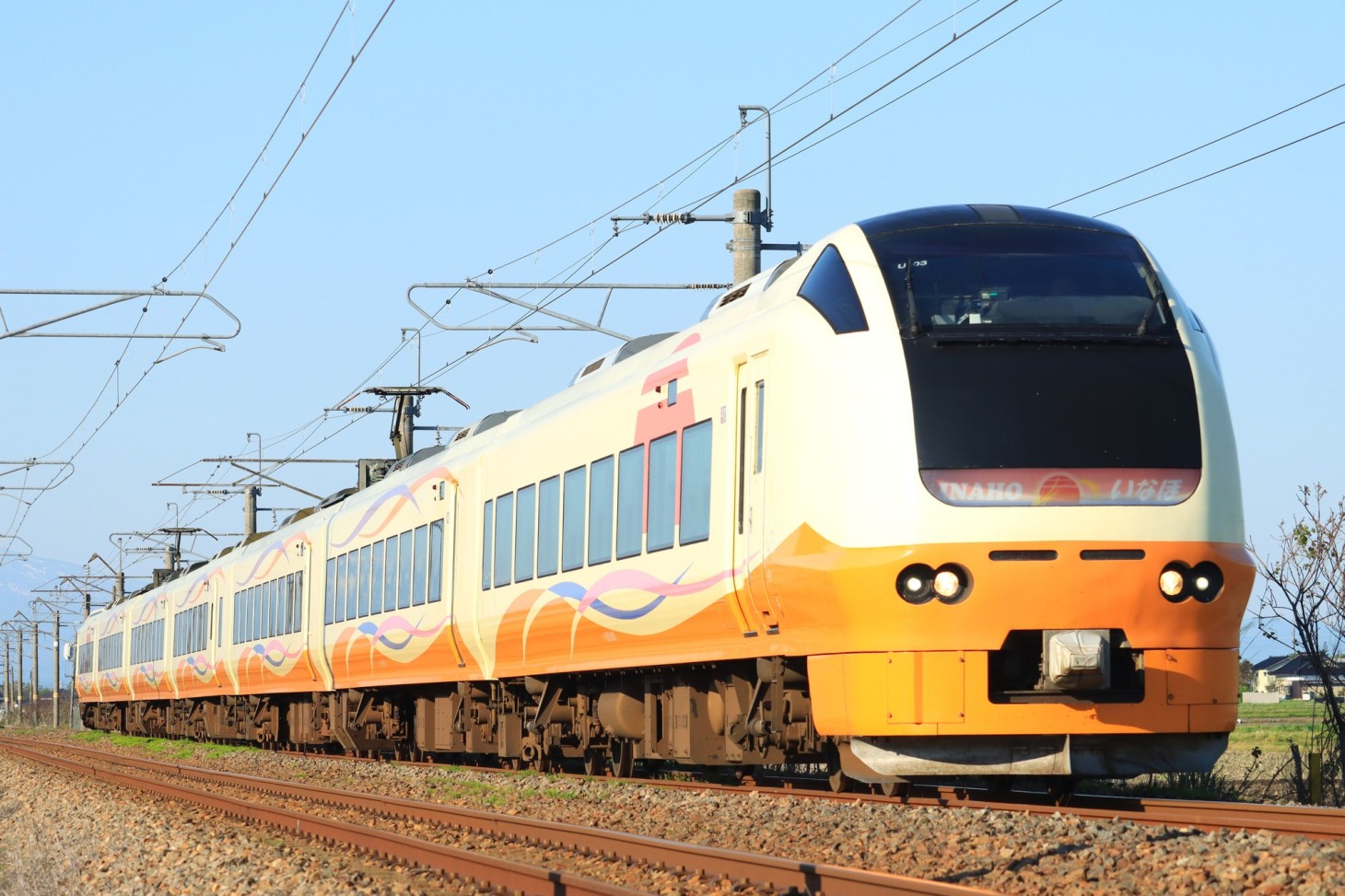
This article provides a comprehensive overview of the JR East "INAHO" limited express train, which connects Niigata Station to Sakata and Akita Stations. It includes timetables, fares for major sections, stops, seating information, ticket purchasing procedures, ticket issuance requirements, and IC card compatibility. As it serves as an access train to the Sea of Japan coast and the Shonai region, this article summarizes key points to check before your trip.
The information in this article is current as of July 2026. Operating days, timetables, fares, and ticket sales conditions may change, so please check the latest information on Ekitan or the railway company's official website before using the service.
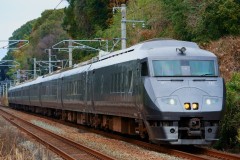
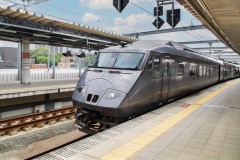
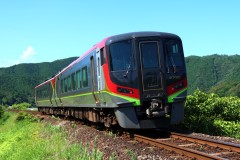
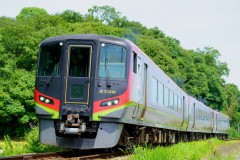
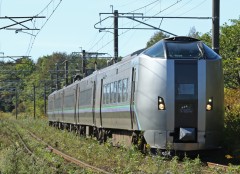
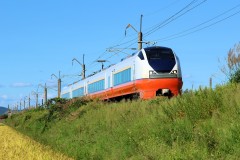
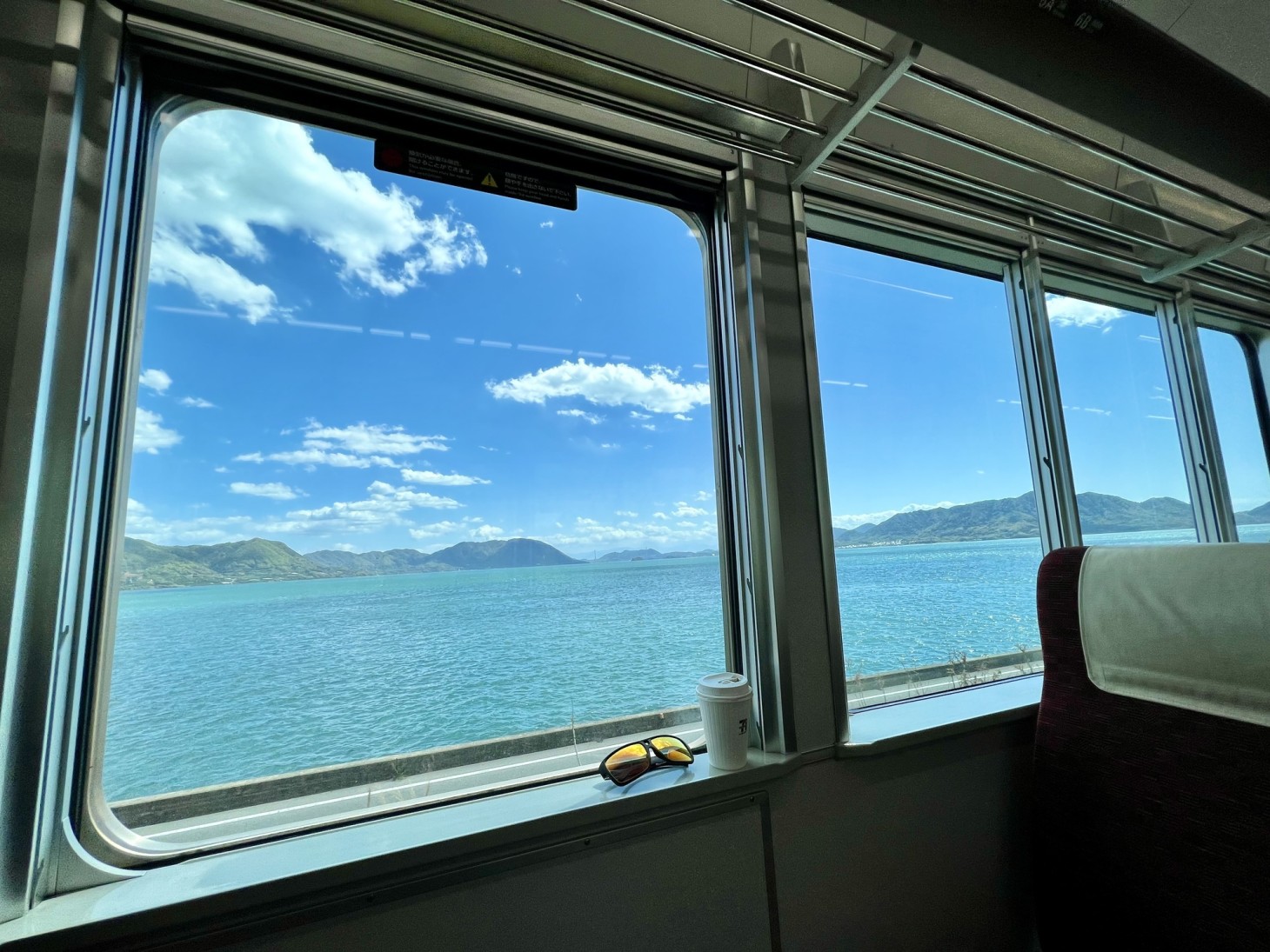
The "INAHO" is a JR East limited express train connecting Niigata Station with Sakata Station and Akita Station via the Uetsu Main Line. It connects with the Joetsu Shinkansen and is used as a connecting train when traveling from the Tokyo metropolitan area to the Shonai and Akita regions. The train uses E653 series electric trains, and the timetable is designed with connections to the Joetsu Shinkansen in mind. The train's name comes from "inaho," meaning rice ears, a fitting name for a train that runs through a rice-producing region. From the train windows, passengers can enjoy the coastline of the Sea of Japan and the vast rural landscape of the Shonai Plain. The section from Murakami to Tsuruoka, in particular, is known as a spectacular section running along the Sea of Japan. Since there are other trains with similar names and destinations, it is recommended to check the train name and destination on the departure information display before boarding. Item Content Train Name "INAHO" Operating Company JR East Main Operating Sections Niigata Station to Sakata Station/Akita Station Main Starting and Ending Stations Niigata Station / Sakata Station / Akita Station Number of Services Several round trips per day Estimated Travel Time Niigata to Akita: Approximately 3 hours 30 minutes Seating Ordinary Car Reserved Seats / Green Car 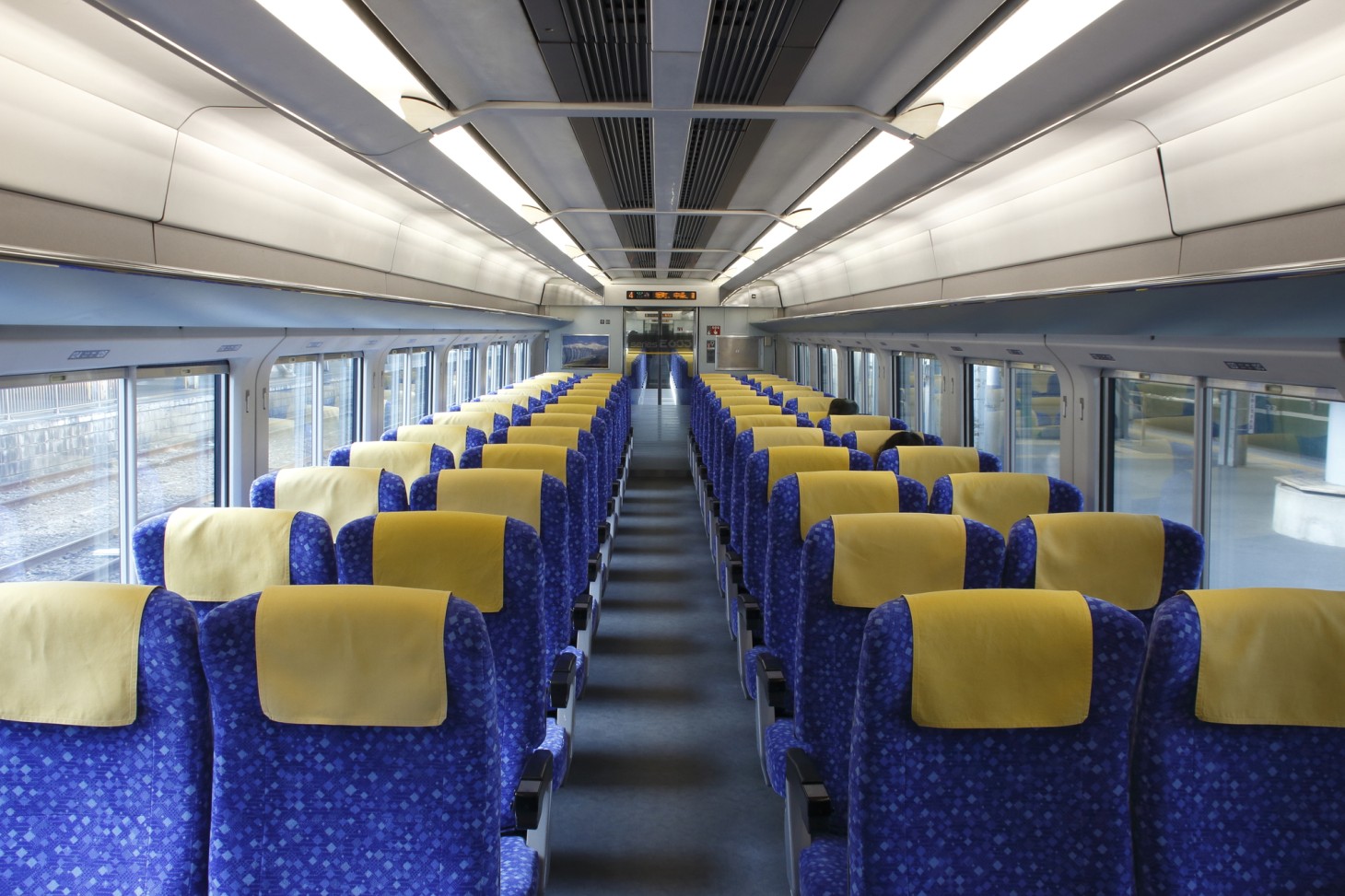
 Table of Contents
- About "INAHO"
- "INAHO" Timetable
- "INAHO" Operating Sections
- "INAHO" Stops
- "INAHO" Fares
- How to Buy "INAHO" Tickets
- Do I Need to Pick Up a Physical Ticket?
- Can I Use Contactless Payment with an IC Card or Credit Card?
- "INAHO" Seating Information
- Ekiben and In-train Gourmet on "INAHO" Trains
- Points to Note When Riding the "INAHO" Train
- Summary
About "INAHO"
"INAHO" is a JR East limited express train named after the rice stalk, reflecting its route through a rice-producing region. The Uetsu Main Line runs from Niitsu Station in Niigata Prefecture, through the Sea of Japan coast of Yamagata and Akita Prefectures, to Akita Station. The Shonai Plain along the line is known as one of Japan's leading rice-producing areas. The E653 series trains are modified versions of trains that previously operated as limited express trains on the Joban Line. The Green Car features spacious seats that can be fully reclined.
Train Features and Highlights
The charm of the "INAHO" train lies in the fact that you can travel towards Shonai and Akita while enjoying views of the Sea of Japan coastline. Between Murakami and Tsuruoka, the train runs right next to the sea, offering breathtaking views of the rugged Sea of Japan. On evening services, you may be able to see the sunset over the Sea of Japan from the train window. Tsuruoka is a town that flourished as the castle town of the Shonai Domain and has cultural facilities such as the Chido Museum. The Dewa Sanzan are sacred sites of mountain worship consisting of Mount Haguro, Mount Gassan, and Mount Yudono. Sakata is a port town that prospered as a port of call for Kitamae ships, and the Sankyo Warehouses are an iconic feature of the landscape. In Akita, the Kanto Festival is a well-known summer event. The Green Car of the E653 series is characterized by its spacious seats and calm interior. Checking the stops and travel time before boarding will make it easier to plan an itinerary that includes stops along the way. The impression of the scenery from the window changes greatly depending on the season and time of day, so it is recommended to choose different times of day for the outbound and return journeys.
"INAHO" Timetable
*The "INAHO" operates several round trips per day.
Downbound (towards Sakata Station) Timetable
| Stations | Example 1 | Example 2 |
|---|---|---|
| Departing Niigata Station | morning | afternoon |
| Arriving Sakata Station | Approximately 3 hours and 30 minutes later | Approximately 3 hours and 30 minutes later |
Upbound (towards Niigata Station) Timetable
| Stations | Example 1 | Example 2 |
|---|---|---|
| Departing Sakata Station | morning | afternoon |
| Arriving Niigata Station | Approximately 3 hours and 30 minutes later | Approximately 3 hours and 30 minutes later |
The "INAHO" train operates several round trips per day. Since the schedule may change depending on the season and timetable revisions, it's best to check the latest timetable on Ekitan before boarding. There are more trains during the morning and evening rush hours, while the intervals between trains may be longer during the daytime. If you have connecting trains or buses, it's advisable to choose connections that allow ample time before your arrival.
Important Information Regarding Operating Days and Service Suspensions
The "INAHO" train operates daily throughout the year. However, there are limited direct services to Akita, and some trains terminate at Sakata. As the Uetsu Main Line runs along the Sea of Japan coast, train service may be suspended due to strong winds during the winter.
"INAHO" Operating Sections
Main Sections
- Niigata Station to Shibata Station (Hakushin Line)
- Shibata Station to Murakami Station (Uetsu Main Line)
- Murakami Station - Sakata Station - Akita Station (Uetsu Main Line)
Sakata Station is the gateway to Sakata, a port town in the Shonai region. The Sankyo Warehouses, built during the Meiji era for storing rice, are a symbol of Sakata along with the zelkova tree-lined streets. Tsuruoka is a charming castle town known as the setting for the works of Shuhei Fujisawa. Mount Haguro of the Dewa Sanzan mountains has a national treasure, a five-story pagoda, and a 2,446-step stone staircase leading to the shrine. Murakami is a town where salmon culture is deeply rooted, and salted salmon is a local specialty. Kisakata is known as a scenic spot that was once visited by Matsuo Basho. From Akita Station, you can also access Kakunodate and Lake Tazawa. Since getting to the surrounding tourist spots mainly involves buses and walking, it's a good idea to check local transportation options in advance. There are often tourist information centers around the stations where you can get maps and brochures. Around Niigata Station, there are facilities where you can sample Japanese sake, so you can make use of your time before or after your train journey.
"INAHO" Stops
Main Stops
- Niigata Station
- Shibata Station
- Murakami Station
- Tsuruoka Station
- Sakata Station
- Kisakata Station
- Akita Station
The stations a train stops at may vary. Please check the stations your train stops at on Ekitan or the railway company's official website.
"INAHO" Fares
Fares for Major Sections
| Section | Total Fare (Adult, Estimated) | Basic Fare Ticket | Limited Express Surcharge |
|---|---|---|---|
| Niigata Station to Sakata Station | Please check the latest fares on Ekitan or the railway company's official website. | The total of the basic fare ticket and the fare for the seat type. | Limited Express Ticket, Seat Reservation Ticket, etc. |
Breakdown of Basic Fare Ticket and Limited Express Surcharge
The "INAHO" fare is the sum of the basic fare to your destination and the limited express surcharge. The limited express surcharge for reserved seats is the base fare, and if you use a Green Car, the Green Car surcharge will be added. When purchasing tickets, make sure you have both the basic fare ticket and the limited express ticket. JR's limited express surcharges are set according to the distance traveled, and the amount may vary depending on whether it is a normal season, high season, or off-season. The fare is divided into the "basic fare" for the journey to your destination and the "limited express surcharge" for riding the limited express train. Note that you cannot ride the limited express train with just a basic fare ticket, as you must purchase both.
Transfers and Transfer Discounts with the Joetsu Shinkansen
The "INAHO" train has a schedule that connects with the Joetsu Shinkansen at Niigata Station. If you are traveling from the Tokyo metropolitan area to the Shonai/Akita area, the route of transferring between the Joetsu Shinkansen and the "INAHO" is convenient. The transfer discount between the Shinkansen and conventional line limited express trains has been abolished for travel from March 16, 2024. Therefore, when transferring between the Joetsu Shinkansen and the "INAHO," please purchase separate Shinkansen limited express tickets and conventional line limited express tickets. Available discount products and special tickets vary depending on the time of year and purchase method, so please check the latest information on the JR East official website or Ekitan.
How to Buy "INAHO" Tickets
Eki-net (Online Reservation)
JR East's online reservation service, "Eki-net," allows you to reserve reserved seats using a credit card. Reserved seats go on sale one month prior to the travel date at 10:00 AM. When making a reservation, you specify the travel date, route, train name, and number of passengers, and then select your seats. In addition to credit cards, cash is also accepted depending on the purchase method. Changes and refunds after reservation are subject to certain conditions and fees.

Reserved Seat Ticket Machines and Midori-no-madoguchi
You can purchase reserved seat express train tickets at the station's reserved seat ticket vending machines and Midori-no-madoguchi (ticket offices). Ticket vending machines often support multiple languages, making them easy to use even if you don't understand Japanese. At the ticket office, simply tell the staff your destination and desired departure time, and they will guide you to the appropriate train. During high seasons, ticket offices can get crowded, so it's best to go with plenty of time to spare.
Travel Agencies
Major travel agencies offer travel packages that combine accommodation and train travel in the Shonai and Akita areas.
How to Buy for International Tourists
The "INAHO" is a JR East train, so it can be used with the JR Pass or JR East Area Pass. Even when using a pass, you will need to obtain a separate seat reservation ticket if you wish to use a reserved seat. Some station ticket offices offer assistance in foreign languages. Special tickets for international tourists may have limited purchase conditions and sales locations, so it is advisable to check before traveling.
Do I Need to Pick Up a Physical Ticket?
Even if you purchase your ticket through "Eki-net," you may still need to pick up a paper ticket at a designated ticket vending machine at the station. If you need to pick up a paper ticket, it's best to do so with plenty of time to spare, rather than right before boarding. Tickets cannot be reissued if lost, so please keep them safe during your journey.
Can I Use Contactless Payment with an IC Card or Credit Card?
In the Suica area around Niigata, you can use a transportation IC card for the basic fare portion. However, most of the Uetsu Main Line is outside the IC card area. Transportation IC cards can sometimes be used across regions through the nationwide interoperability service. However, the usable area is determined by each railway company, so be sure to check in advance whether your journey is within their area.
Contactless payment via credit card is not available for passing through ticket gates.
*Please note that you cannot ride the limited express train with just an IC card. Limited express surcharges and reserved seat tickets must be purchased separately.
"INAHO" Seating Information
Seat Types
The "INAHO" train is operated using E653 series trains and consists of Ordinary Car Reserved Seats and Green Car. During high seasons, seats fill up quickly, so it's best to book early once your travel dates are decided. You may be able to choose between window and aisle seats when booking. If you want to sit together with your travel companions, booking together makes it easier to secure adjacent seats. Seat Type Content Ordinary Car Reserved Seat Standard 2+2 row seating Green Car Premium seats with ample seat pitch
Features of the Seating
The Green Car of the E653 series is characterized by its spacious seating arrangement and tranquil interior. Even the seats in the standard cars are equipped with reclining functions, ensuring comfort even on long journeys. Seats on the Sea of Japan side offer stunning coastal views. Power outlets may be available at some seats. Window seats are ideal for those who want to enjoy the scenery, while aisle seats are suitable for those who prioritize ease of boarding and alighting. For long journeys, it's advisable to check your seat location and make a reservation in advance for a more comfortable experience.
Large Luggage Storage Area
Luggage racks may be provided at the ends of the train cars.
Barrier-Free Facilities
Wheelchair-accessible seating is available within the train. If you wish to use it, we recommend contacting a JR East ticket office in advance. Multipurpose rooms and wheelchair-accessible facilities may vary depending on the train car and train set.
Ekiben and In-train Gourmet on "INAHO" Trains
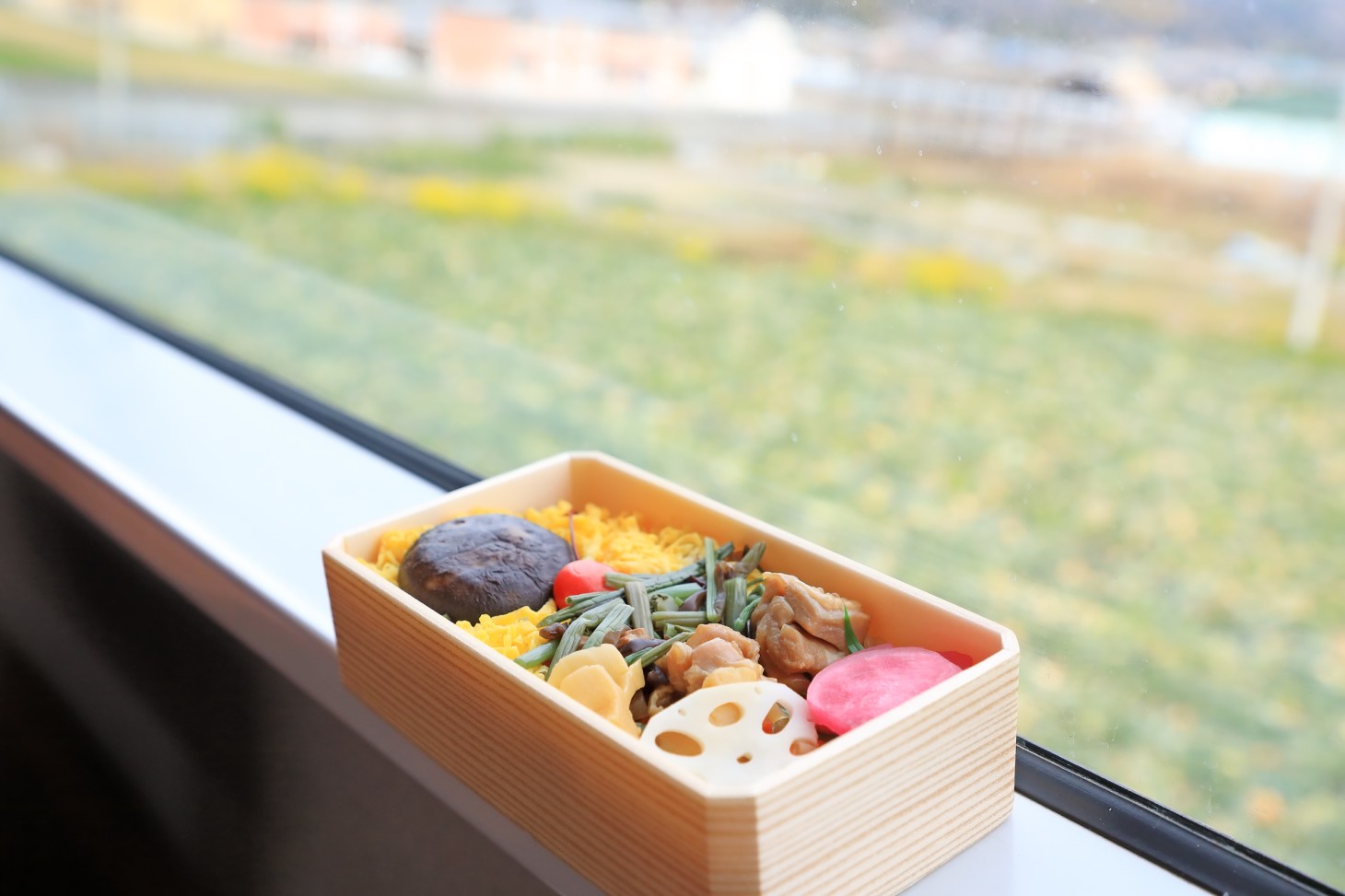
There is no in-car sales service on the "INAHO" train. If you would like to enjoy a meal, it is recommended to prepare in advance at the ekiben shops or stalls at Niigata Station. Niigata is known as a rice-producing region, and bento boxes made with Echigo rice are popular. Salt-cured salmon from Murakami and seafood from Shonai are also representative flavors of the area along the railway line. In Akita, kiritanpo and Inaniwa udon are popular local specialties. Since the shops inside the stations may have limited operating hours, it is best to prepare in advance if you are traveling early in the morning or late at night. If you eat or drink on the train, please be considerate of others by avoiding foods with strong odors, etc., to ensure a pleasant experience. Dispose of empty containers and trash in the trash cans on the train or in the trash cans at the station after disembarking.
Points to Note When Riding the "INAHO" Train
Since direct services to Akita are limited on the "INAHO", be sure to check your destination. The Uetsu Main Line runs along the Sea of Japan coast, so train service may be suspended due to strong winds in winter. If you want to enjoy the scenery on the Sea of Japan side, it is important to choose a seat that is in the direction of travel. Checking the connection time with the Shinkansen at Niigata Station will make it easier to plan your itinerary. In winter, Shonai and Akita experience heavy snowfall, so you will need to take precautions against the cold. Before boarding, be sure to check the train name, car number, and seat number written on your ticket. If you are bringing large luggage, please use the luggage racks or overhead compartments so as not to block the aisle. Onboard, it is good manners to keep phone calls to a minimum so as not to disturb other passengers.
Since there is no onboard service, if you plan to eat, be sure to prepare before boarding. Checking the train schedule on a site like Ekitan before boarding will help you calmly deal with delays or cancellations.
Summary
The "INAHO" is a JR East limited express train connecting Niigata Station with Sakata Station and Akita Station via the Uetsu Main Line. Its greatest appeal is the varied scenery from the train windows, including the coastline of the Sea of Japan and the rural landscape of the Shonai Plain. It connects with the Joetsu Shinkansen and forms a major route from the Tokyo metropolitan area to the Shonai and Akita regions.
Enjoy a journey to Shonai, a rice-producing region, on "INAHO," a train that takes you through the spectacular scenery of the Sea of Japan.

The information on this website is based on content available at the time of publication. We do not guarantee its accuracy or timeliness. The content may include advertisements or promotions, and we are not responsible for any external websites linked from this site.