Shinkansen Fares and Ticket Booking Methods from Fuji to Nagoya
Overview of travel methods from Fuji to Nagoya
You can travel from Shin-Fuji Station to Nagoya Station using the Tokaido Shinkansen.
This article explains Shinkansen (bullet train) fares, travel time, and how to book tickets. We've compiled useful information for your trip to Japan, including JR Pass usage rules and the types of trains you can use. Please use this as a reference to help plan your trip smoothly.
Basic information from Fuji to Nagoya
- Fastest train: "Kodama", Travel Time: approximately 1 hour 23 minutes
- Fare for unreserved seats (no reservation required): 7,140 yen
- The Fare for reserved seats (standard class), which require advance booking, is 7,470 yen.
- Green Car Fare: 11,130 yen
- Available trains: "Kodama"
- JR Pass: Please refer to "Can the JR Pass be used between Shin-Fuji and Nagoya?" below.
- Only "Kodama" trains stop at Shin-Fuji Station. "Hikari" and "Nozomi" trains do not stop there.
*Fares, travel time, and train names are subject to change. Please check Ekitan's Shinkansen timetable, latest fares, and schedules before publication.
Nagoya (destination) as a tourist destination
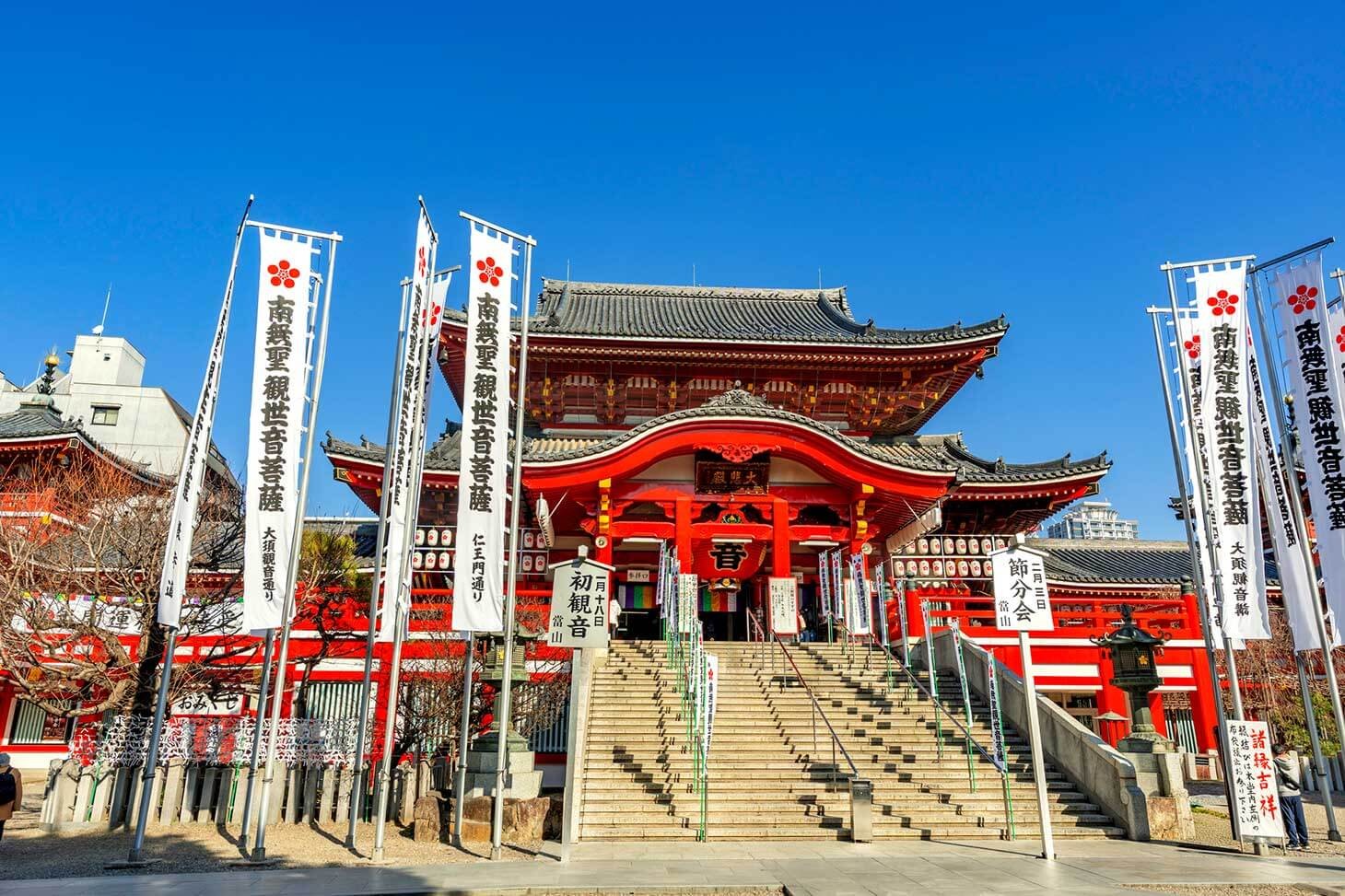
Nagoya is Japan's third-largest city, a fascinating place where Japanese culture, industry, and cuisine are concentrated. Nagoya Castle is one of Japan's three most famous castles, and its tower, adorned with golden shachi (mythical fish-like creatures), is a symbol of Nagoya. The magnificent screen paintings in the Honmaru Palace are breathtakingly beautiful. Atsuta Shrine is a prestigious shrine that enshrines the "Kusanagi no Tsurugi" (Grass-Cutting Sword), and approximately 2.3 million people visit it for Hatsumode (first shrine visit of the year). Osu Shopping Arcade is a unique area where a downtown atmosphere and multinational cuisine coexist. Hitsumabushi (eel rice bowl), miso katsu (pork cutlet with miso sauce), and tebasaki (chicken wings) are representative Nagoya dishes. It can be accessed from Fuji in as little as 1 hour and 23 minutes.
 Table of Contents
Shinkansen Fare from Fuji to Nagoya
Overview of Shinkansen fares from Fuji to Nagoya
You can use the "Kodama" Shinkansen on the Tokaido Shinkansen line between Shin-Fuji Station and Nagoya Station. The "Nozomi" and "Hikari" Shinkansen do not stop at Shin-Fuji Station. Fares, stops, and travel times vary depending on the type of train. The JR Pass can be used on all trains, and there are also unreserved seats available, so you can ride with ease. Reserved seats tend to sell out quickly during peak seasons such as Golden Week, Obon, and New Year's. We recommend booking early to ensure a comfortable journey.
Price comparison between Fuji and Nagoya
| Seat | Fare (Estimate) | Features |
|---|---|---|
| Unreserved Seats | 7,140 yen | No seat number is assigned; you can board if there are empty seats. |
| Reserved Seats (Standard Class) | 7,470 yen | Your seat number is assigned, guaranteeing you a seat. |
| Green Car | 11,130 yen | Spacious seating and high-quality service, perfect for those who want to travel comfortably. |
*Fares, travel time, and train names are subject to change. Please check Ekitan's Shinkansen timetable, latest fares, and schedules before publication.
Features and advantages of unreserved seating
Unreserved seats do not require reservations and you can sit in any available seat. They are an economical option for short distances or during off-peak hours. However, during peak seasons such as Golden Week, Obon, and New Year's, the unreserved seating area can become very crowded, and you may have to stand. If you want to be guaranteed a seat, please use reserved seats, which require advance reservations. If you have a JR Pass, you can also use unreserved seats, allowing you to board easily without a seat reservation.
Features and usage scenarios of reserved seats
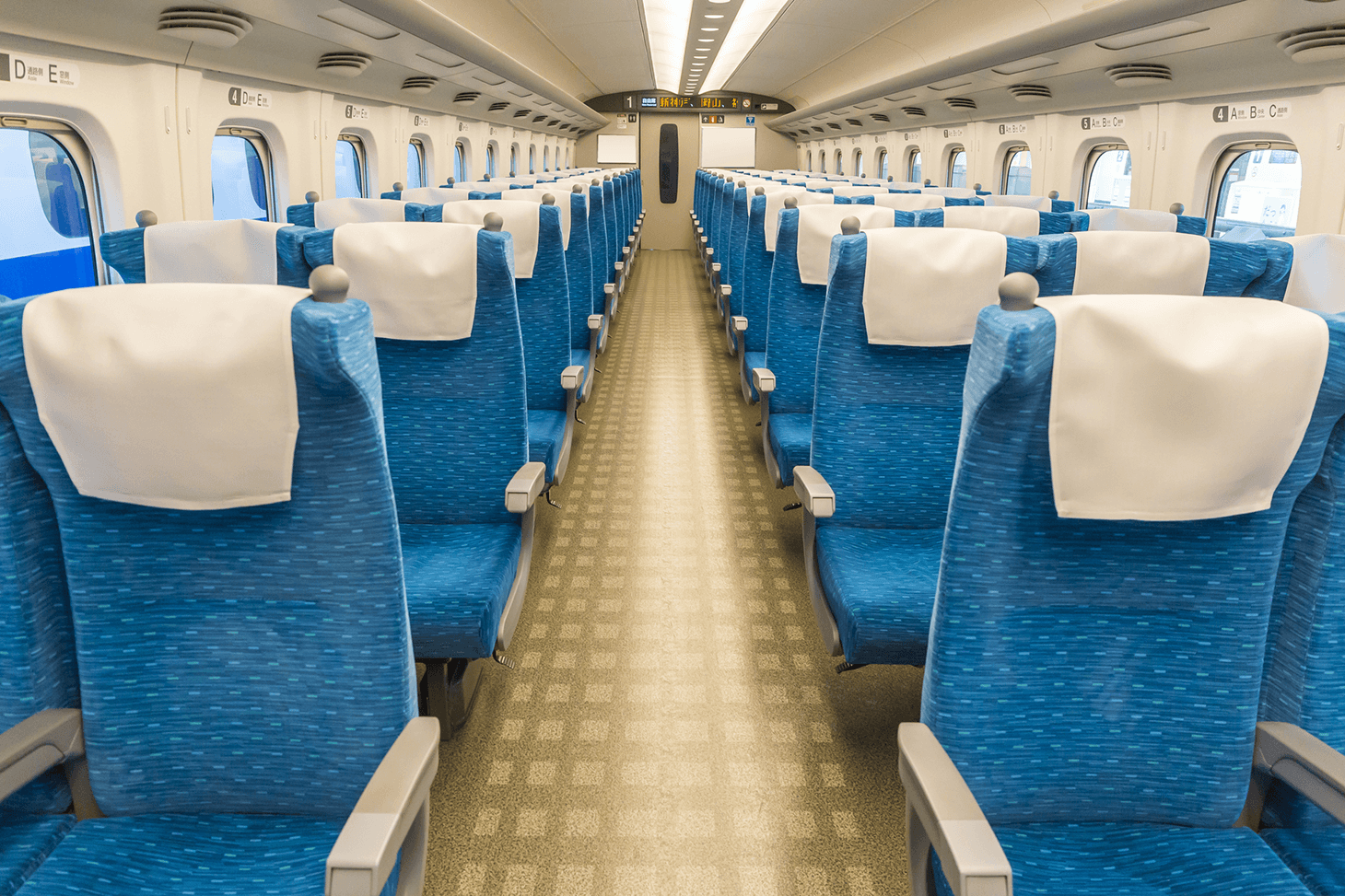
Reserved seats, which require advance booking, guarantee you a seat number, ensuring you'll be seated throughout your journey. Reserved seats tend to sell out quickly, especially during peak seasons like Golden Week and the New Year holidays, so early booking is recommended. Tokaido Shinkansen reserved seats can be purchased at station ticket offices (Midori-no-madoguchi), reserved seat ticket machines, and Smart EX. Reservations can sometimes be made via smartphone, and payment by credit card may be accepted. Please check the latest information as terms of use and payment methods may change.
Features and comfort of Green Cars
Green Cars offer more spacious seats than standard cars, allowing for a more comfortable journey. The seat pitch (distance between seats) is generous, making long journeys less tiring. Many seats have power outlets, allowing you to charge your smartphone or laptop while traveling. Green Cars are recommended for business travelers, special trips, or anyone seeking a more luxurious travel experience. Reservations for Green Cars can be made at JR station ticket counters, designated seat ticket machines, or through compatible online reservation services.
Travel Time from Fuji to Nagoya
Shortest Shinkansen journey between Fuji and Nagoya
The shortest travel time from Shin-Fuji Station to Nagoya Station is approximately 1 hour and 23 minutes. Only "Kodama" trains stop at Shin-Fuji Station; "Nozomi" and "Hikari" trains do not. Travel time varies depending on the type of train and the number of stops.
*Fares, travel time, and train names are subject to change. Please check Ekitan's Shinkansen timetable, latest fares, and schedules before publication.
Average travel time and difference between trains
| Train Name | Main Stops | Estimated Travel Time |
|---|---|---|
| "Kodama" | Stops at every station | Approximately 1 hour 23 minutes to 1 hour 38 minutes (JR Pass available) |
*Only "Kodama" Shinkansen trains stop at Shin-Fuji Station on the Tokaido Shinkansen line. "Nozomi" and "Hikari" trains do not stop there.
*Fares, travel time, and train names are subject to change. Please check Ekitan's Shinkansen timetable, latest fares, and schedules before publication.
The speed and features of the Tokaido Shinkansen
The Tokaido Shinkansen is part of Japan's bullet train network, boasting high safety and punctuality. It reaches a maximum speed of 285 km/h and maintains stable operation even in bad weather. The trains offer comfortable travel with spacious seats and clean facilities. Many trains have power outlets at each seat, allowing passengers to charge their smartphones and laptops while traveling. An increasing number of trains also offer Wi-Fi service, allowing passengers to access the internet on board.
Comparison of travel time with air travel
Compared to airplanes, bullet trains often have an advantage in terms of total travel time because they eliminate the need for airport access, security checks, and boarding procedures. With airplanes, you need to arrive at the airport 1-2 hours before departure for airport check-in, security checks, and getting to the boarding gate. Furthermore, travel time from the airport to the city center is also added after arrival. On the other hand, bullet trains only travel from station to station, making access to the city center significantly faster.
Time comparison with cars and JR conventional lines
Even using expressways, traveling by car takes significantly longer than by Shinkansen (bullet train), including traffic jams and rest stops. Furthermore, Japanese expressways have high tolls, and parking fees at the destination must also be considered. Using JR conventional lines can take several hours or more, including transfers. Considering travel time, cost, and comfort, the Shinkansen is the most efficient mode of transportation.
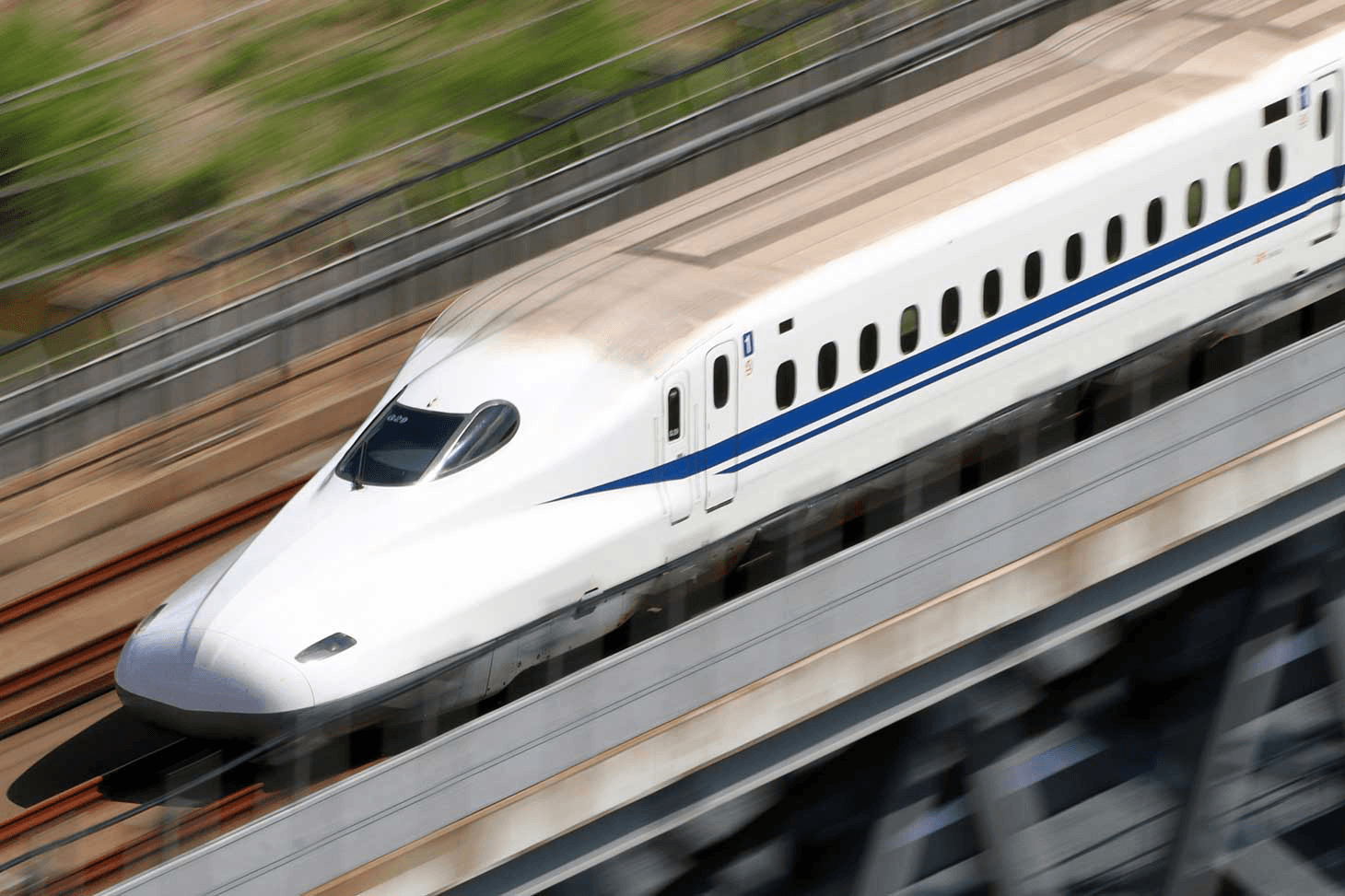
Which train is the fastest?
Types of trains operating between Shin-Fuji and Nagoya
On the Tokaido Shinkansen line between Shin-Fuji and Nagoya, you will use the "Kodama" train. "Nozomi" and "Hikari" trains do not stop at Shin-Fuji Station. "Kodama" trains stop at every station and can be used with the JR Pass.
Stations and characteristics of each train
The only Shinkansen you can take between Shin-Fuji and Nagoya is the "Kodama". "Nozomi" and "Hikari" trains do not stop at Shin-Fuji Station, so please check the timetable for "Kodama" trains. The journey takes approximately 1 hour 23 minutes to 1 hour 38 minutes.
Travel time between Fuji and Nagoya by train.
The "Kodama" is a type of Tokaido Shinkansen train that stops at every station and can be used with the JR Pass. Only "Kodama" trains stop at Shin-Fuji Station on the Tokaido Shinkansen line. The journey takes approximately 1 hour and 23 minutes to 1 hour and 38 minutes, but this varies depending on the train and time of day.
*Fares, travel time, and train names are subject to change. Please check Ekitan's Shinkansen timetable, latest fares, and schedules before publication.
Recommended trains between Fuji and Nagoya
From Shin-Fuji to Nagoya, you will use the "Kodama" train. Since the "Hikari" and "Nozomi" trains do not stop at Shin-Fuji Station, please check the timetable for "Kodama" departure and arrival times. You can also use the "Kodama" train with a JR Pass. Choose the train that best suits your travel purpose, departure time, and budget.
Points to consider when choosing a train
You can check timetables and seat availability on Ekitan (ekitan.com) or Smart EX. Reserved seats tend to sell out quickly, especially during peak season. We recommend booking as soon as your itinerary is decided. Reserved seats generally go on sale at 10:00 AM one month prior to the date of travel. If you have a JR Pass, please plan your itinerary within the pass's validity period and allow for some flexibility in your schedule.
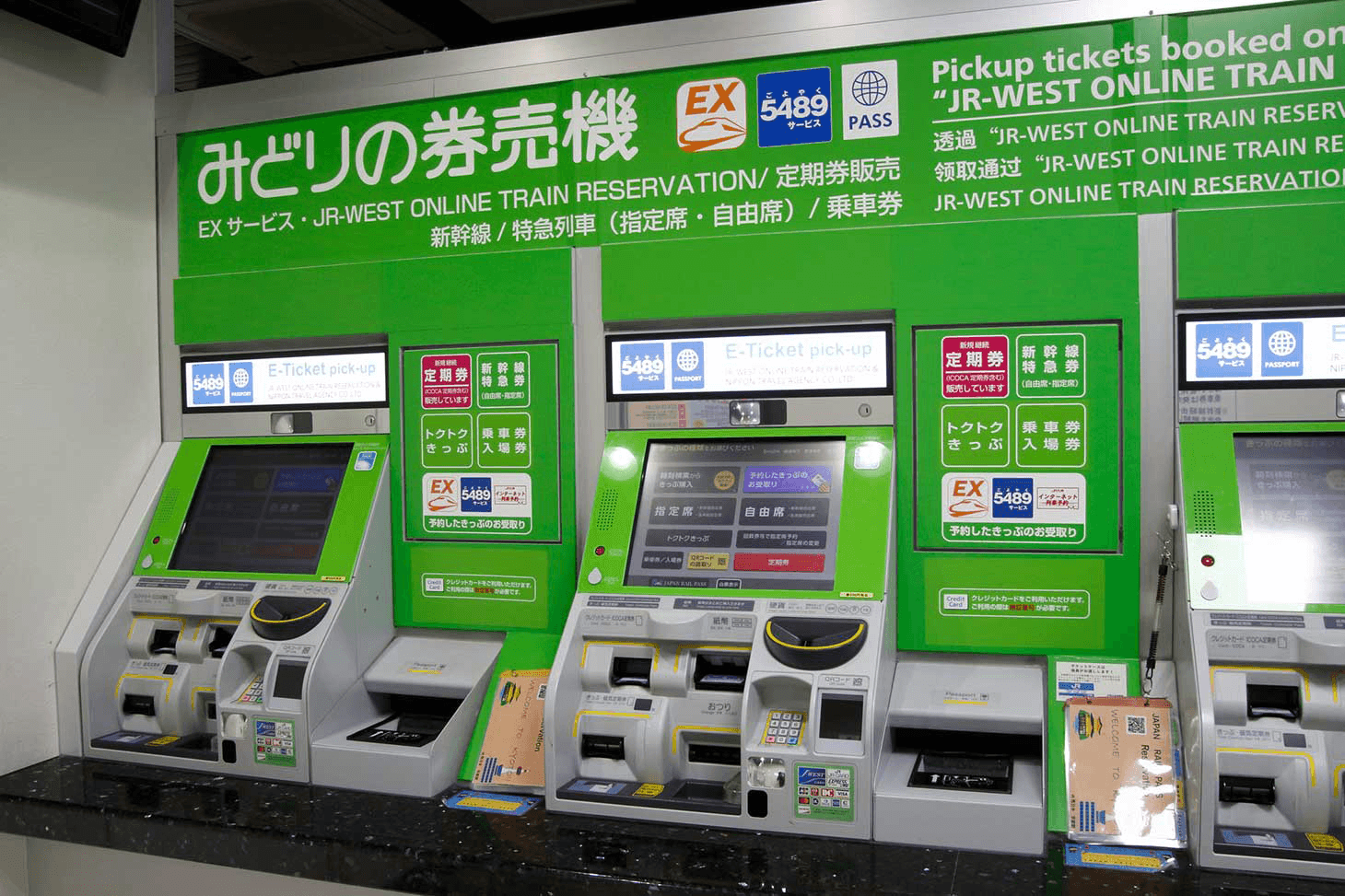
How to book Shinkansen tickets
Basic methods for purchasing Shinkansen tickets
There are three ways to purchase Shinkansen tickets between Shin-Fuji and Nagoya: ① at the station's ticket office (Midori-no-madoguchi), ② at a designated seat ticket vending machine, and ③ online (e.g., Smart EX). Foreign credit cards are accepted at many ticket counters and vending machines. Each method has its own characteristics, so please choose the one that best suits your travel style.

How to purchase tickets at the station's ticket office (Midori-no-madoguchi)
Major train stations have ticket offices called "Midori-no-madoguchi", where you can purchase tickets while consulting directly with staff. Some stations have English-speaking staff on duty, making it a convenient way for travelers to purchase tickets. Cash and credit cards are accepted. Opening hours vary by station, but are generally from 6:00 to 21:00. JR Passes can also be exchanged at Midori-no-madoguchi.
How to use a ticket vending machine
You can purchase tickets at designated seat ticket vending machines inside the station using touch panel operation. An increasing number of these machines support multiple languages, including English, Chinese, and Korean. Since payment by credit card is possible, you can use them even without cash. A major advantage is that you can purchase tickets smoothly even during peak hours when ticket counters are crowded. If you have a JR Pass, you may be able to make seat reservations at the vending machines.
Online booking (Smart EX)
Smart EX is an online reservation service for the Tokaido, Sanyo, and Kyushu Shinkansen lines. Reservations can be made via smartphone or computer, making it a user-friendly service for international travelers. While overseas-issued credit cards may be accepted with Smart EX, acceptance may depend on the card company and identity verification requirements. Express Reservation is a membership service with an annual fee and requires enrollment with a qualifying credit card. For articles aimed at international travelers, please focus on Smart EX. Eligible routes, products, and sales conditions for early bird discounts vary by time of year, so please check for the latest information.
Points to note when making a reservation
During peak seasons such as Golden Week (late April to early May), Obon (August), and the New Year holidays (late December to early January), reserved seats can sell out several weeks in advance. Once your travel dates are decided, we recommend booking as early as possible. Reserved seats on the Tokaido Shinkansen can be purchased through Smart EX, station ticket offices (Midori-no-madoguchi), and reserved seat ticket vending machines. Please check the latest information before purchasing, as fees and conditions for changing or refunding tickets vary.
Can I use the JR Pass between Fuji and Nagoya?
Overview of JR Pass
The JR Pass (Japan Rail Pass) is an unlimited travel pass for foreign visitors to Japan. It comes in three types: 7-day, 14-day, and 21-day passes. During the validity period, you can ride many JR trains, including Shinkansen, limited express, and local trains. The "Kodama" trains operating in this section can be used with the JR Pass. "Nozomi" and "Hikari" trains do not stop at Shin-Fuji Station. It can be purchased from the official website or designated retailers. Purchase and exchange methods may change, so please check the latest information on the JAPAN RAIL PASS official website.
Availability between Fuji and Nagoya
| Train | JR Pass Usage | Remarks |
|---|---|---|
| "Kodama" | Available | Unreserved seats available, no reservation required. |
You can use "Kodama" trains with a JR Pass.
"Kodama" trains operating on this section can be used with a JR Pass. Since there are unreserved seats, you can board without a seat reservation. However, unreserved seats can get crowded during peak season, so if you want to guarantee a seat, it is recommended to reserve a seat in advance. Seat reservations can be made at JR station ticket counters, reserved seat ticket machines, or through compatible online reservation services.
How to use reserved and unreserved seats when using JR Pass
If you're using a JR Pass to travel in an unreserved seat, simply board the train and sit in any available seat. Seat reservations are not required, however, seats can get crowded during peak season. If you prefer a reserved seat, please make a reservation at a JR station ticket office, a reserved seat ticket machine, or through the corresponding online reservation service. There is no additional charge.
Points to note when using JR Pass
JR Passes have an expiration date, so please choose the appropriate number of days (7, 14, or 21 days) according to your itinerary. Using a JR Pass is often more economical when traveling across multiple sections of the line. Purchase and redemption methods for JR Passes may change. Please check the latest information on the JAPAN RAIL PASS official website. Since you can specify the start date of your pass, please plan and use it strategically to match your travel start date.
Shinkansen timetable between Fuji and Nagoya
Frequency of Shinkansen service between Fuji and Nagoya
The Tokaido Shinkansen runs approximately every 30 minutes between Shin-Fuji and Nagoya. The train you can use is the "Kodama". The type and frequency of trains vary depending on the time of day, so please check the Shinkansen timetable on Ekitan before your trip.
*Fares, travel time, and train names are subject to change. Please check Ekitan's Shinkansen timetable, latest fares, and schedules before publication.
Guideline for the first and last trains
The first Shinkansen train departs from Shin-Fuji Station around 6:09 AM, and the last train departs around 10:30 PM. By taking an early morning train, you can enjoy a full day of sightseeing in the Nagoya area. The time of the last train may change depending on the season, day of the week, and schedule revisions. Please check the latest timetable.
How to read a timetable
Ekitan (ekitan.com) allows you to check Shinkansen timetables, seat availability, and fares for the Shin-Fuji to Nagoya route all in one place. Simply enter your departure station, arrival station, and date, and the service will display the most suitable train and fare. It's accessible from smartphones and supports English, making it a user-friendly service for international travelers.
Shin-Fuji Station to Nagoya Station (excerpt, approximate)
| Departure (Shin-Fuji) | Train | Arrival (Nagoya) | Travel Time from Departure to Arrival |
|---|---|---|---|
| 06:24 | "Kodama" 865 | 07:47 | Approximately 1 hour 23 minutes |
| 07:02 | "Kodama" 867 | 08:32 | Approximately 1 hour 30 minutes |
| 09:37 | "Kodama" 809 | 11:06 | Approximately 1 hour 29 minutes |
| 12:37 | "Kodama" 821 | 14:06 | Approximately 1 hour 29 minutes |
| 15:37 | "Kodama" 833 | 17:06 | Approximately 1 hour 29 minutes |
| 18:37 | "Kodama" 845 | 20:06 | Approximately 1 hour 29 minutes |
| 21:07 | "Kodama" 855 | 22:33 | Approximately 1 hour 26 minutes |
*Only "Kodama" Shinkansen trains stop at Shin-Fuji Station on the Tokaido Shinkansen line.
*Actual times and train numbers may change due to seasonal changes or revisions to the operating schedule. Please check the latest information on Ekitan or other sources.
Peak hours and points to note
The trains tend to be more crowded during the morning commute (7:00-9:00) and in the evening (17:00-19:00). They are especially crowded during Golden Week, Obon, and the New Year holidays, and reserved seats tend to sell out quickly. During peak travel seasons, it's recommended to book early and allow ample time for travel. Also, if transfers are necessary, be sure to check the connecting train times in advance.
Summary: Shinkansen from Fuji to Nagoya
This summarizes the Shinkansen (bullet train) journey from Fuji to Nagoya.
Estimated fares: Unreserved seats (no reservation required) (7,140 yen), reserved seats (advance reservation required) (7,470 yen), Green Car (11,130 yen)
Minimum Travel Time from Departure to Arrival: Approximately 1 hour and 23 minutes (when using "Kodama" train)
JR Pass: "Kodama" trains can be used with a regular JR Pass.
Tickets can be purchased at station ticket offices (Midori-no-madoguchi), reserved seat ticket machines, Smart EX, etc.
Please check the final fare and timetable on Ekitan's Shinkansen section fare and timetable before it is published.

The information on this website is based on content available at the time of publication. We do not guarantee its accuracy or timeliness. The content may include advertisements or promotions, and we are not responsible for any external websites linked from this site.