"Blue Symphony": Timetable, Fares, and How to Buy Tickets
This article provides a comprehensive overview of the Kintetsu Railway's (Kinki Nippon Railway) sightseeing limited express train, "Blue Symphony," which connects Osaka Abenobashi Station and Yoshino Station in Nara Prefecture. It includes timetables, fares for representative sections, stations served, seating information, ticket purchasing procedures, ticket issuance requirements, and IC card and credit card contactless payment options. Since all seats are reserved, advance reservations are essential. This article summarizes key points to check before your trip.
*The information in this article is current as of July 2026. Operating days, timetables, fares, sales conditions, and purchase methods may change. Please check the latest information on Ekitan or the railway company's official website before use.
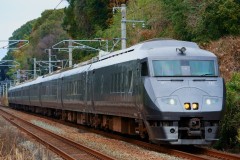
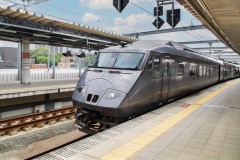
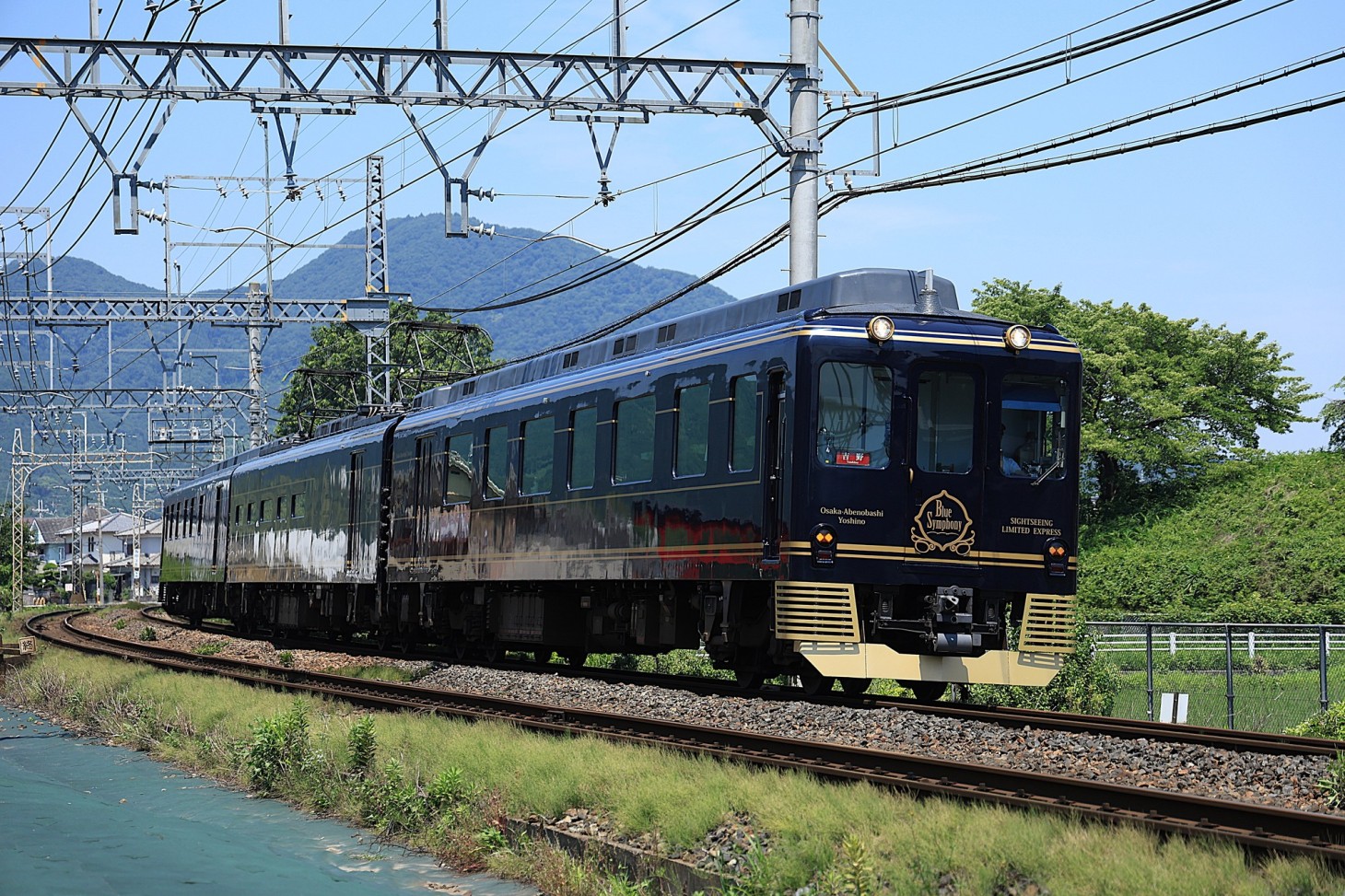
The "Blue Symphony" is a sightseeing limited express train connecting Osaka Abenobashi Station and Yoshino Station, known for its cherry blossoms, via the Kintetsu Minami-Osaka Line and Yoshino Line. It debuted in September 2016 with the concept of "a high-quality adult journey." It operates with a three-car train of the 16200 series, which is a modified version of the 6200 series commuter train, and is characterized by its calm exterior with a dark blue color and gold lines. All seats are reserved, so advance seat reservations are required to board. It was created as Kintetsu's second sightseeing limited express train, following the "Shimakaze," with the concept of "a high-quality adult journey."
| Item | Content |
|---|---|
| Train Name | "Blue Symphony" |
| Operating Company | Kintetsu Railway |
| Main Operating Sections | Osaka Abenobashi Station to Yoshino Station (Minami-Osaka Line/Yoshino Line) |
| Main Starting and Ending Stations | Osaka Abenobashi Station / Yoshino Station |
| Number of Services | Two round trips per day (may vary depending on the operating calendar) |
| Estimated Travel Time | Osaka Abenobashi to Yoshino: Approximately 1 hour 20 minutes |
| Seating | All seats are reserved (Deluxe Seats, Twin Seats, Salon Seats) |
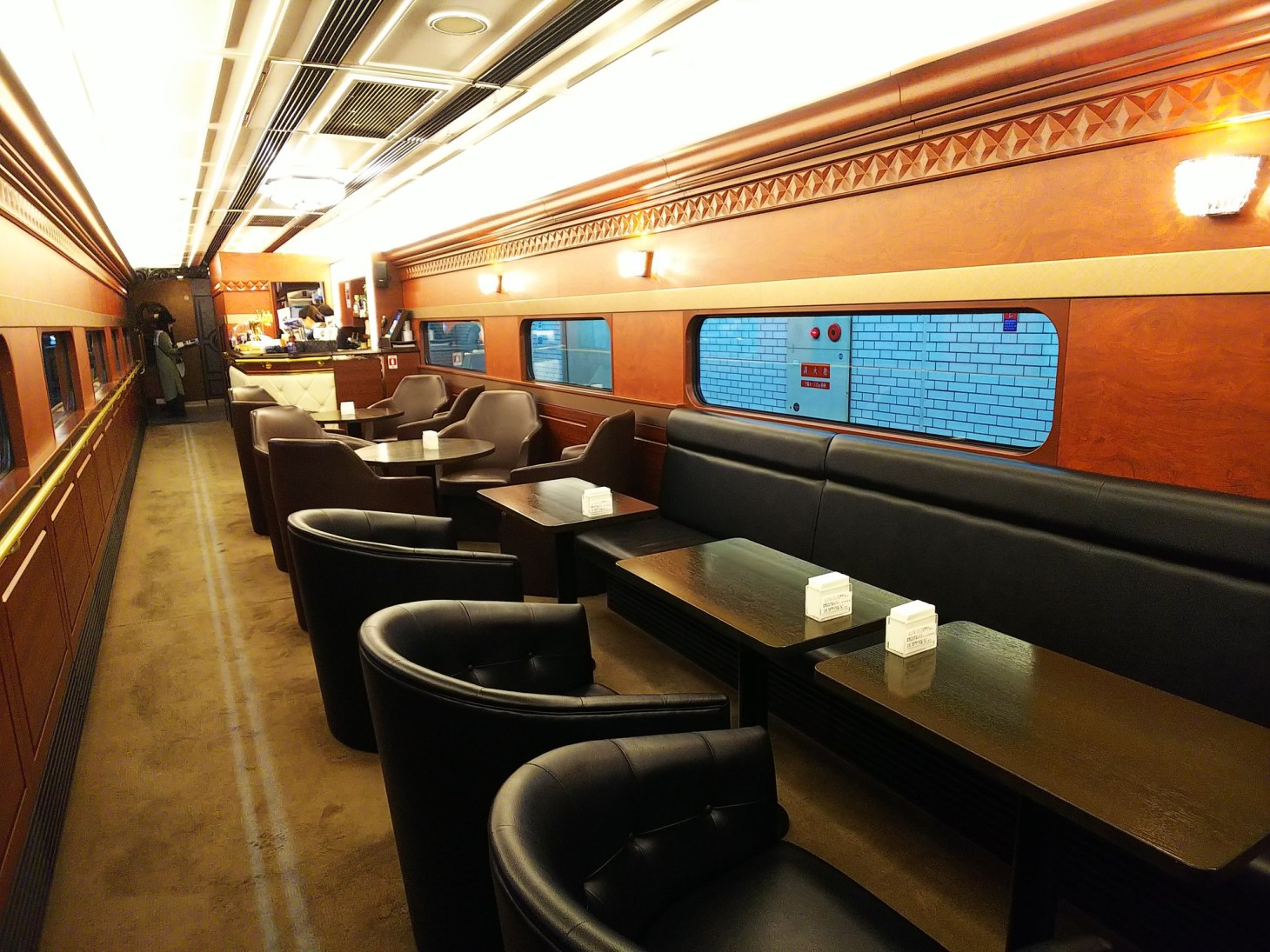
 Table of Contents
- What is "Blue Symphony"?
- "Blue Symphony" timetable
- Operating section of "Blue Symphony"
- Stations Served on the "Blue Symphony"
- Fare for "Blue Symphony"
- How to buy tickets for "Blue Symphony"
- Do I need to get a physical ticket?
- Can I use contactless payment with an IC card or credit card?
- Seating information for "Blue Symphony"
- Enjoy ekiben (station bento boxes) and in-train gourmet food on the "Blue Symphony" train.
- Points to note when riding "Blue Symphony"
- Summary
What is "Blue Symphony"?
The "Blue Symphony" is a Kintetsu sightseeing limited express train connecting Osaka Abenobashi Station, where Abeno Harukas is located, and Yoshino Station, the gateway to Yoshino Mountain, one of Japan's most famous cherry blossom viewing spots. It was named with the image of a "blue train" running in harmony with and resonating with the tourist resources along the line. It uses the 16200 series train cars, which were converted from the 6200 series that were used as commuter trains, and debuted in September 2016 as Kintetsu's second sightseeing limited express train, following the "Shimakaze". The train cars are fitted with special emblems on the front and sides, and special decorations are applied to various parts of the exterior.
Train features and popular points
The seats on the "Blue Symphony" are all deluxe seats arranged in a 2+1 configuration, and the interior is characterized by its calm and sophisticated design, with attention to detail such as wood grain finishes and the use of bamboo for the tables and armrests. The second car in the middle is a lounge car where you can enjoy menus from local renowned restaurants, breweries, and wineries at a large bar counter. The high cost performance, which allows you to ride for only a small additional fee on top of the fare, is another reason for its popularity. Wood grain materials are also used in the luggage racks above the seats and in the interior around the windows, creating a calm atmosphere that is hard to believe is a converted commuter train.
"Blue Symphony" timetable
*The timetable may differ slightly depending on the day of operation (a special timetable will be in effect during the cherry blossom season).
Downbound (towards Yoshino) timetable
| Stations Served | Service 1 | Service 2 |
|---|---|---|
| Departing from Osaka Abenobashi | First one of the morning | First one of the afternoon |
| Departing from Kashihara Jingu-mae | ― | ― |
| Arrived in Yoshino | Approximately 1 hour and 20 minutes later | Approximately 1 hour and 20 minutes later |
Timetable for northbound trains (towards Osaka Abenobashi)
| Stations Served | Service 1 | Service 2 |
|---|---|---|
| Yoshino | First one of the morning | First one in the afternoon |
| Departing from Kashihara Jingu-mae | ― | ― |
| Arrived at Osaka Abenobashi | Approximately 1 hour and 20 minutes later | Approximately 1 hour and 20 minutes later |
The "Blue Symphony" train operates two round trips a day between Osaka Abenobashi Station and Yoshino Station. Intermediate stops include Shakudo Station, Takada-shi Station, Kashihara-jingumae Station, Asuka Station, Tsubosakayama Station, Yoshinoguchi Station, Rokuda Station, Yamato-Kamichi Station, and Yoshino-jingumae Station.
Important information regarding operating days and days when the service is suspended.
The "Blue Symphony" train operates six days a week, excluding Wednesdays. However, it may run on holidays or during cherry blossom season, even on days when it normally does not operate. You can check the operating days on the Kintetsu official website's operating calendar. The train may also be temporarily suspended on days other than Wednesdays for reasons such as vehicle inspections.
Operating section of "Blue Symphony"
Main sections
- Osaka Abenobashi Station to Yoshino Station (via Minami Osaka Line and Yoshino Line)
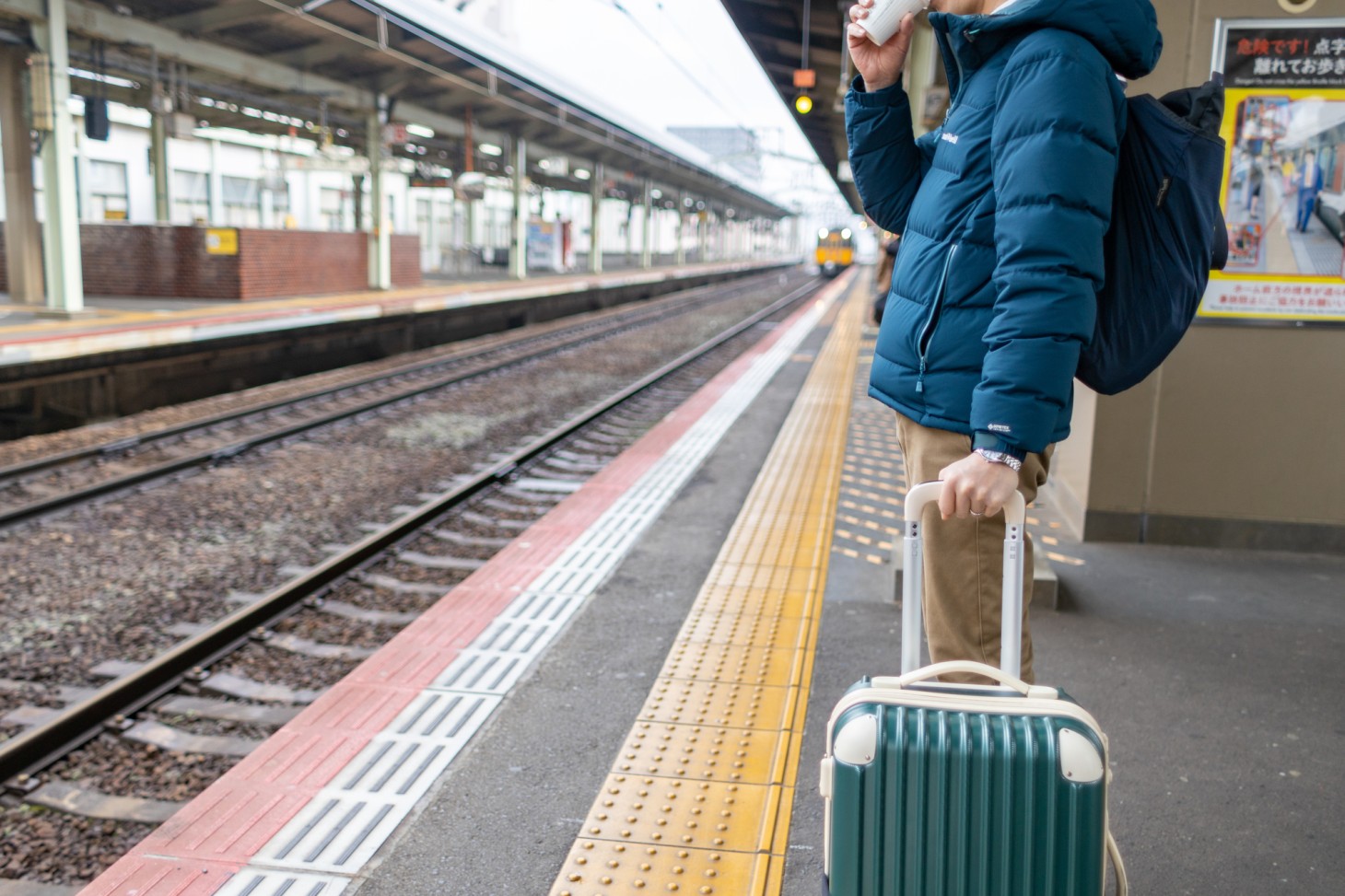
Osaka Abenobashi Station is the terminal station of the Kintetsu Minami-Osaka Line, directly connected to "Abeno Harukas." The final stop, Yoshino Station, is the gateway to Mount Yoshino, considered the best cherry blossom viewing spot in Japan, and is also a key station for the World Heritage site "Sacred Sites and Pilgrimage Routes in the Kii Mountain Range," which includes Kinpusen-ji Temple. Around Asuka Station, along the way, there are numerous historical sites of Asuka Village, which is designated as a Japan Heritage site. If you are heading to Dorogawa Onsen, it is convenient to get off at Shimoichiguchi Station and use the reservation-only taxi plan.
Stations Served on the "Blue Symphony"
Main Stations Served
- Osaka Abenobashi Station
- Shakudo Station
- Takada City Station
- Kashiharajingu-mae Station
- Asuka Station
- Tsubosakayama Station
- Yoshinoguchi Station
- Rokuda Station
- Yamato-Kamiichi Station
- Yoshino Jingu Station
- Yoshino Station
*The stations served may vary depending on the service.
Fare for "Blue Symphony"
Representative section fare
| Section | Total Fare (Adult) | Basic Fare Ticket | Limited Express Fare / Special Car Fare |
|---|---|---|---|
| Osaka Abenobashi Station to Yoshino Station | 1,900 yen | 1,170 yen | 730 yen (limited express fare 520 yen + special car fare 210 yen) |
*The fare remains the same even if the boarding and alighting stations are reversed.
Breakdown of Basic Fare Ticket and Limited Express Ticket
The fare for the "Blue Symphony" is the sum of three components: the basic fare to your destination, the limited express fare, and the special car fare. The special car fare is a flat 210 yen, making it an affordable option as it only adds 730 yen to the basic fare. The fare is the same regardless of whether you choose a deluxe seat, twin seat, or salon seat. The "Blue Symphony" is all reserved seating, so there is no option for unreserved seats. Because the additional charge to ride the express train is kept to around 730 yen, it is popular among travelers who want to enjoy the atmosphere of a sightseeing express train without breaking the bank.
Group seating usage conditions
Twin seats (for 2 people) and salon seats (for 3-4 people) can be used with the same basic fare ticket, limited express fare, and special car fare as deluxe seats, and no additional charges are required. However, there is a minimum occupancy requirement: twin seats are for 2 people, and salon seats are for 3-4 people.
How to buy tickets for "Blue Symphony"
Kintetsu Railway Internet Reservation and Ticketing Service
Kintetsu Railway's online reservation and sales service allows for ticketless purchases and seat availability checks. You can select your desired seat number while viewing a seat map and make a reservation without needing to pick up your ticket at a station. Limited express tickets go on sale one month prior to the travel date at 10:30 AM. Registering as a member earns you points based on your purchase amount, which can be used towards future limited express ticket purchases.

Kintetsu Station Ticket Counter (Limited Express Ticket Counter)
You can also purchase limited express tickets at the ticket counters of major Kintetsu stations starting at 10:30 a.m., one month prior to your travel date. Because it is a popular train, tickets often sell out immediately after going on sale, so early booking is recommended.
Travel Agencies
Major travel agencies such as Club Tourism also offer tour packages and express train tickets that include the "Blue Symphony" train. Please contact each travel agency for details.
How to buy for foreign tourists
The "Blue Symphony" is operated by Kintetsu (a private railway company), so the JAPAN RAIL PASS cannot be used. There is a KINTETSU RAIL PASS for foreign tourists, but this pass allows unlimited rides on trains below the rapid express level, and does not cover limited express trains. Even if you have a KINTETSU RAIL PASS, you will need to purchase a separate limited express ticket (limited express fare and special car fare) in addition to your basic fare ticket to ride the "Blue Symphony".
Do I need to get a physical ticket?
If you complete the credit card payment process through the online reservation and purchase service, you can board the train simply by showing your smartphone screen as it is a ticketless service. If you purchase your ticket at a station ticket counter or travel agency, you will need to receive a paper express train ticket before boarding.
Can I use contactless payment with an IC card or credit card?
When riding the "Blue Symphony" train, you will need separate tickets for the basic fare portion and the limited express fare portion (limited express fare and special car fare). Nationwide mutually usable transportation IC cards such as ICOCA, Suica, and PASMO can be used for the basic fare portion on all Kintetsu lines. However, the limited express fare cannot be paid using the balance on the IC card and must be purchased separately in advance.
Kintetsu offers contactless payment services using credit cards and other methods on all Kintetsu train lines. However, this service is not available on the Ikoma Cable Car and the Katsuragi Mountain Ropeway.
Only the basic fare portion of the ticket can be paid for using contactless payment. If you are riding an express train, you will need to purchase an express ticket separately.
The types of cards accepted and the areas where they can be used may change.
Seating information for "Blue Symphony"
Seat Types (All seats are reserved)
"Blue Symphony" consists of three types of seats: Deluxe Seats, Twin Seats, and Salon Seats. There are no unreserved seats.
| Seat Type | Content |
|---|---|
| Deluxe Seats | All cars feature a 2+1 seating arrangement and tables and armrests made of bamboo. |
| Twin Seats | Cars 1 and 3, designed for 2 people, with a total of 6 sections and 12 seats, each equipped with a large table and power outlet. |
| Salon Seats | Five sections available, suitable for 4 people, each with a large table and power outlets. |
| Unreserved Seats | None (All seats are reserved) |
Distinctive seating
Cars 1 and 3 offer single seats with tables, making the seating arrangement considerate not only to group travelers but also to solo travelers. Car 2 is entirely a lounge car, with deliberately small windows and other features designed to create a calm atmosphere for adults. Commemorative boarding passes are distributed free of charge at the lounge car counter and can be taken home as a memento of the ride.
Large luggage storage area
Detailed information regarding the designated space for large luggage is limited. If you are bringing a large suitcase, please use the area around your seat or the overhead racks, and be careful not to block the aisles or lounge area. It is recommended to check with Kintetsu in advance if necessary.
Barrier-free facilities
Details regarding wheelchair-accessible seating and boarding/alighting assistance vary depending on the date and train. If you will be using a wheelchair, it is recommended that you consult with the Kintetsu Railway Telephone Center or station staff in advance.
Enjoy ekiben (station bento boxes) and in-train gourmet food on the "Blue Symphony" train.
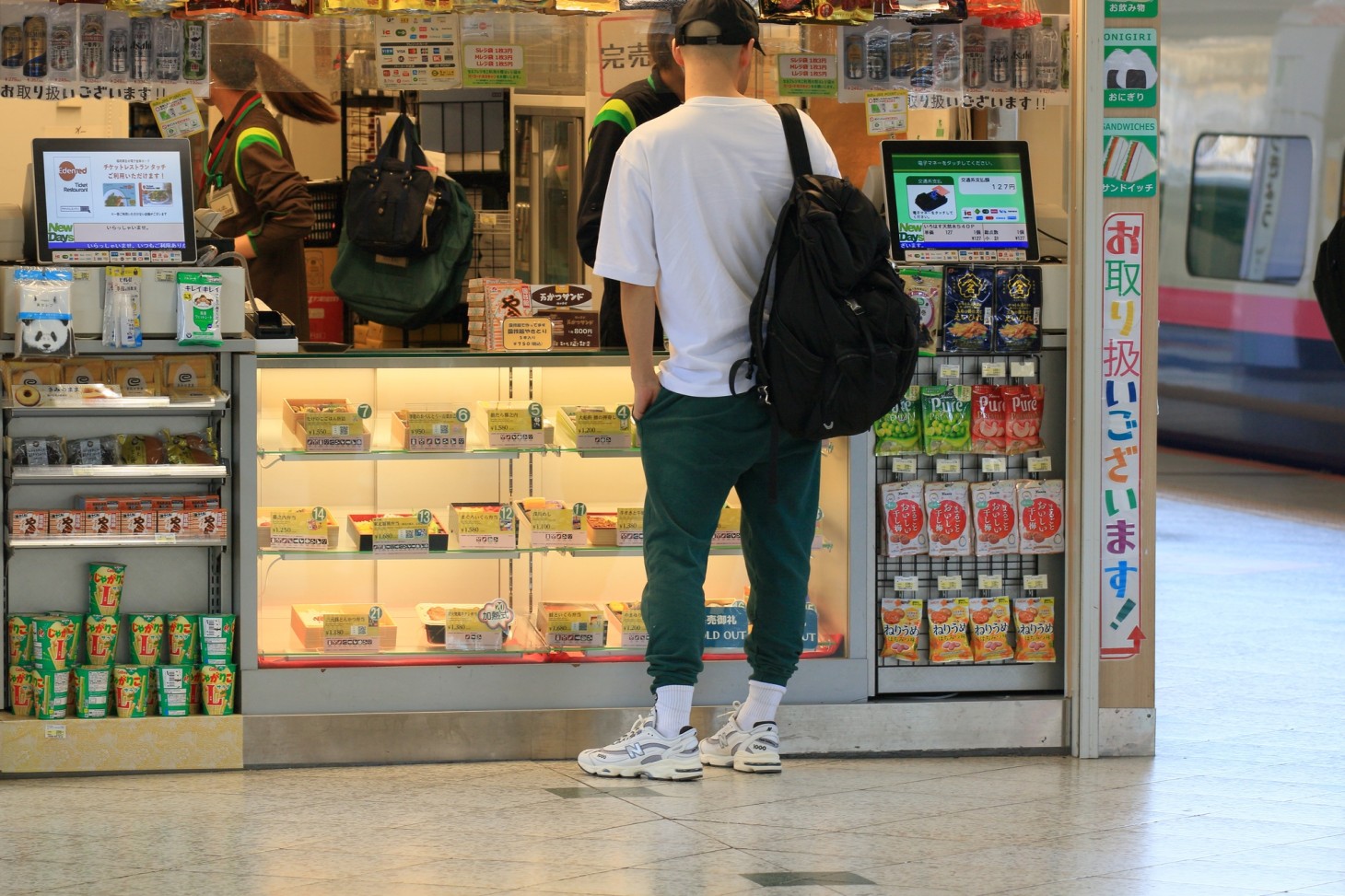
The lounge car in carriage number 2 features a large bar counter where passengers can enjoy menus from local restaurants, breweries, and wineries along the route. In addition to sweets, snacks, and soft drinks made with local ingredients, alcoholic beverages are also available for purchase, and original goods exclusive to the train can be bought. Elegant music plays throughout the carriage while passengers await departure, creating an atmosphere befitting the train's name.
Points to note when riding "Blue Symphony"
Since all seats on the "Blue Symphony" are reserved, if you have a specific date in mind, we recommend making your reservation as soon as it opens (10:30 AM, one month prior to your travel date). As a general rule, the train does not operate on Wednesdays, so please check the operating calendar in advance. Reservations are especially difficult to obtain during the cherry blossom season, so early arrangements are important. The cherry blossoms in Yoshino Mountain are usually at their best from late March to mid-April, and during this period, trains tend to fill up quickly even on weekdays, so please be aware of this.
There are three types of seats available: deluxe seats, twin seats, and salon seats, which can be selected according to the number of people traveling.
Summary
The "Blue Symphony" is a Kintetsu sightseeing limited express train connecting Osaka Abenobashi Station and Yoshino Station, operating two round trips per day, six days a week except Wednesdays. As all seats are reserved, both a basic fare ticket and a limited express ticket (limited express fare and special car fare) are required. The special car fare is a reasonable 210 yen, and it is a train where you can enjoy a "high-quality adult journey" while enjoying food and drinks in the lounge car. The JAPAN RAIL PASS cannot be used, and even if you have a KINTETSU RAIL PASS, you will need to purchase a limited express ticket separately. The interior, which is so meticulously designed that it is hard to believe it is a converted commuter train, demonstrates the high level of perfection of Kintetsu's sightseeing limited express train.
Enjoy a journey on the "Blue Symphony," where you can experience the history and nature of Asuka and Yoshino.

The information on this website is based on content available at the time of publication. We do not guarantee its accuracy or timeliness. The content may include advertisements or promotions, and we are not responsible for any external websites linked from this site.